Ukraine is threatened by the “new North Korea” scenario

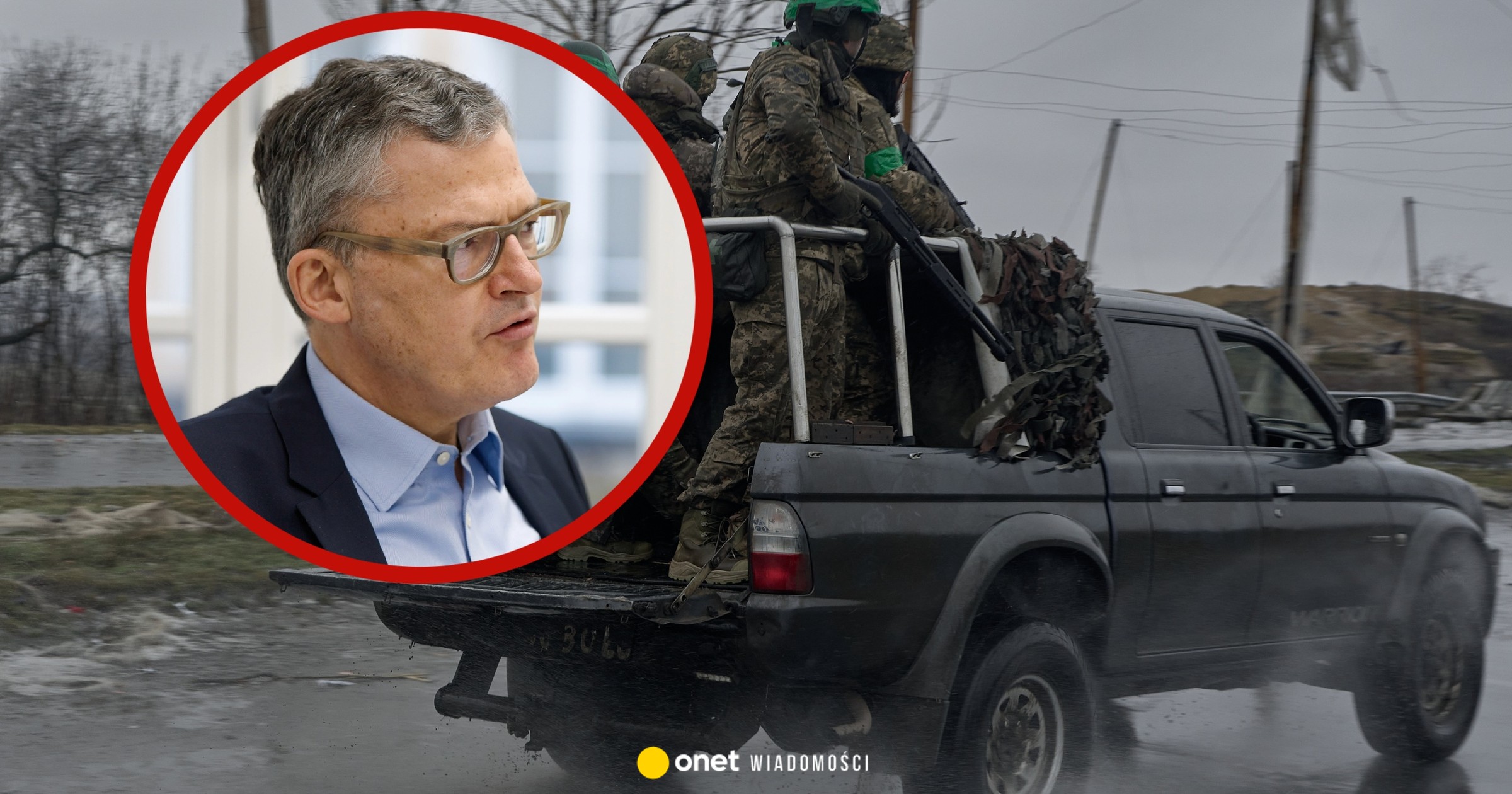
During a conversation at the Munich Security Conference, the CDU politician argued that diplomacy can only become effective again if it is supported by real power – including long-range capabilities for Ukraine, tougher sanctions and a tougher stance towards Russia's “shadow fleet.” Otherwise, he warned, Russia will take advantage of European caution and changing U.S. priorities to impose an agreement that sacrifices sovereignty in the name of a quick end to the conflict.
— The key question is whether we want to be spectators or actors of events, Kiesewetter said. — Transatlantic relations have always been based on trust and predictability. Today this is no longer the case.
The expert warns that if Europe decides on a convenient compromise instead of a real strategy, Ukraine may be pushed into the role of an isolated state like the “new North Korea”. This is a scenario that would change the security system not only in the East, but throughout Europe.
Among German conservatives, Kiesewetter is considered one of the leaders of the security wing, which has been demanding faster and bolder military support for Kiev since the beginning of the war.
Among the actions he expects from Berlin, he mentioned:
- commencement of training and deliveries of Taurus missiles,
- intensifying actions against the Russian shadow fleet,
- limiting the activities of Russian state structures on German territory.
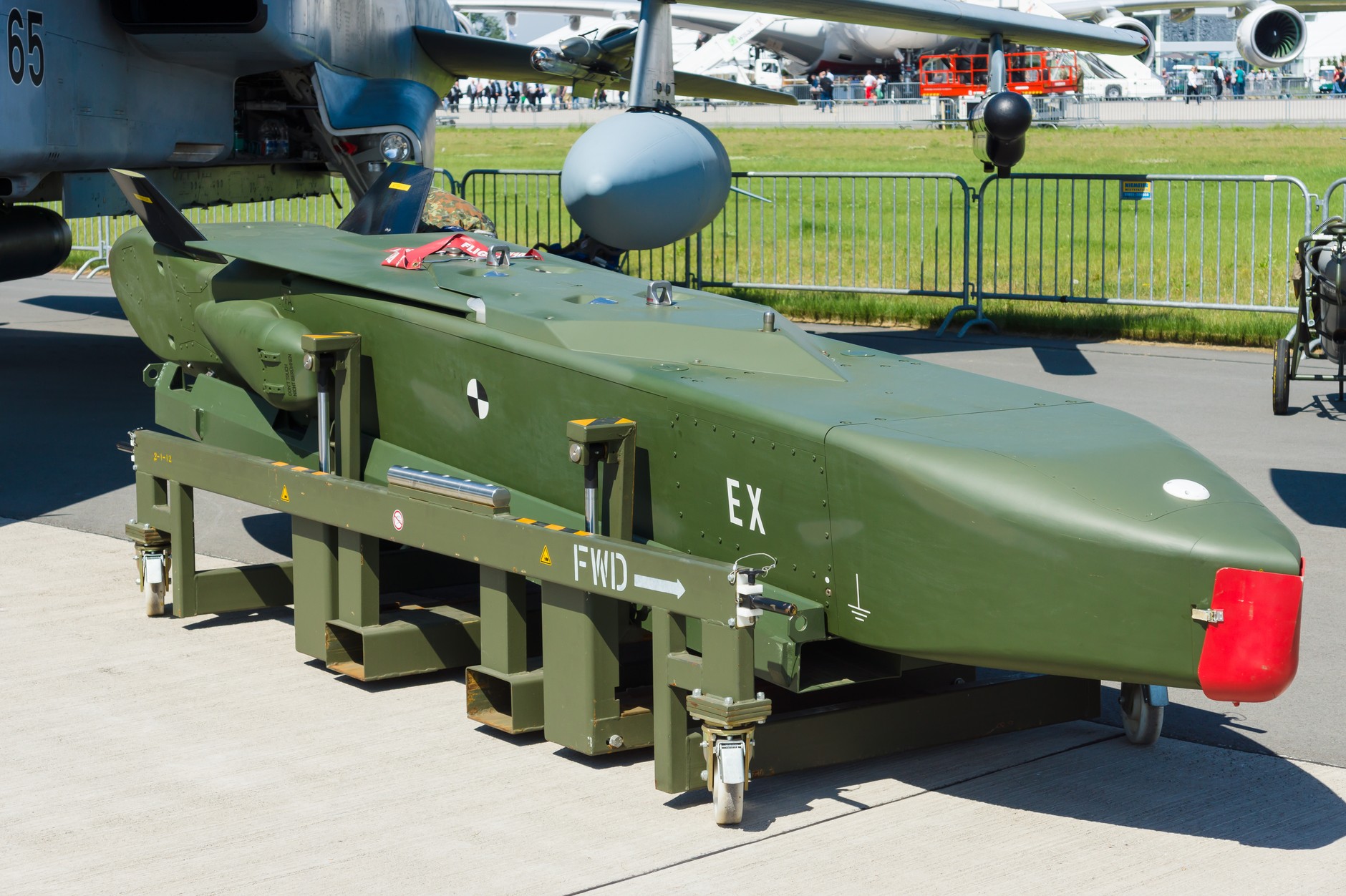
German-Swedish Taurus KEPD 350 cruise missile (stock photo)Sergey Kohl / Shutterstock
In terms of air defense, he went even further. In his opinion, European systems deployed over western Ukraine could allow Kiev to transfer its own limited defense resources to the east – closer to the front and the cities most shelled.
When asked whether such decisions depend on parliamentarians, he answered openly:
As an MP, I cannot change this. It's a government decision. Chancellor Merz announced a different approach – but ultimately he will be judged by his actions, not his words.
“This is a warning signal”
In his opinion, Europe must accept the new reality, but cannot give in to it. It can still influence events if it acts together, decisively and with confidence.
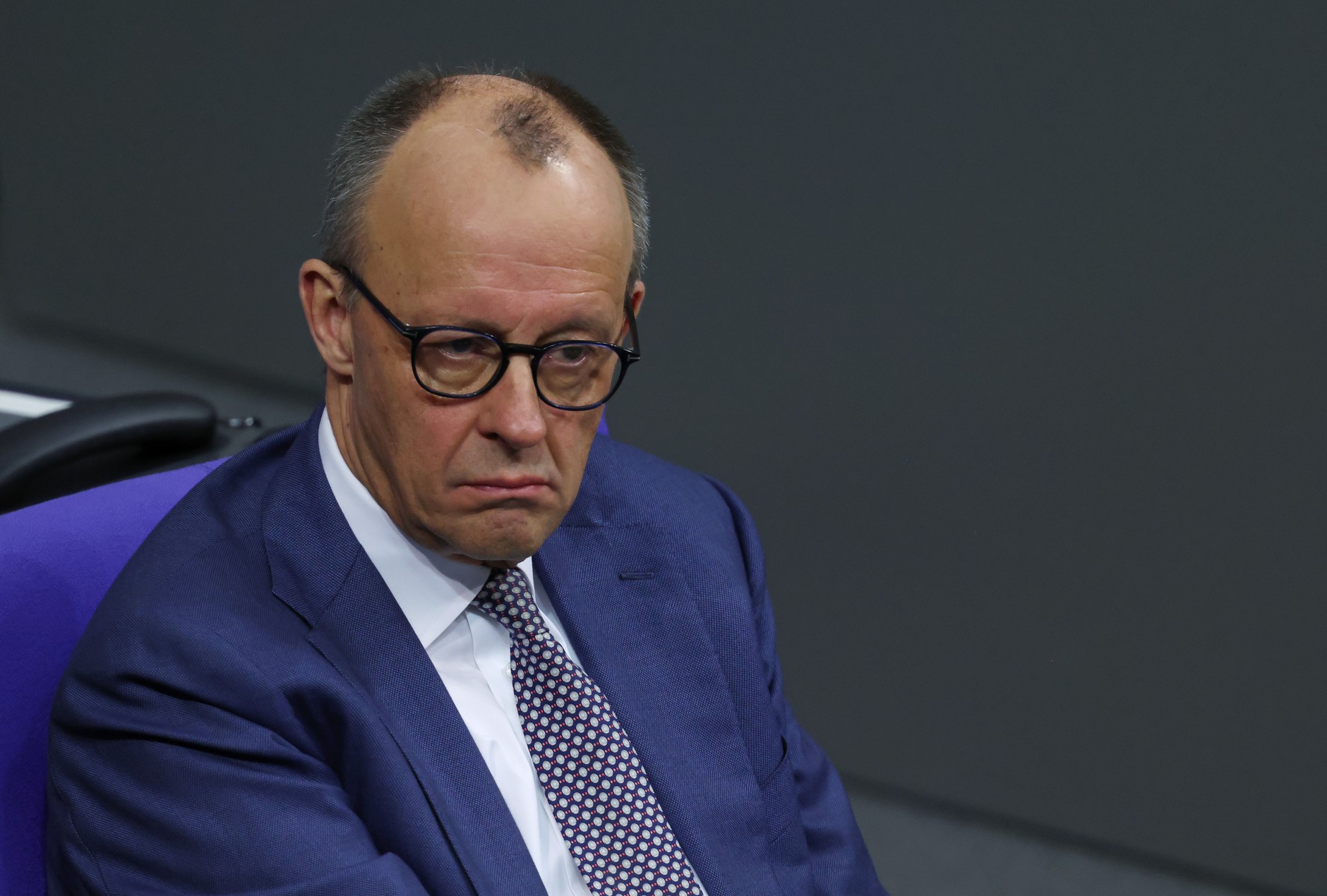
German Chancellor Friedrich Merz in Berlin, January 29, 2026.Sean Gallup/Getty Images / Staff / Getty Images
Kiesewetter agreed with the diagnosis of a strategic breakthrough, but believed that Europe should draw even more far-reaching conclusions – first of all, realize that the way the US perceives Europe has fundamentally changed.
According to him The American strategic hierarchy today looks like this: :
- 1
security of your own territory,
- 2
Indo-Pacific region,
- 3
other global priorities,
- 4
only then Europe.
Europe is only in fourth place. This means that America is no longer focusing its limited resources on our continent
– he said.
“It was only about nation states,” he noted. — Not about the European Union. There was not even a mention of Ukraine. This is a warning signal.
“This is our area, stay away.”
According to Kiesewetter, war is increasingly perceived in Washington in purely transactional terms.
In this war, Americans are primarily interested in Ukrainian raw materials and business with Russia
– he said.
He warned that if Europe does not start acting on its own, it will become only a pawn in the politics of spheres of influence.
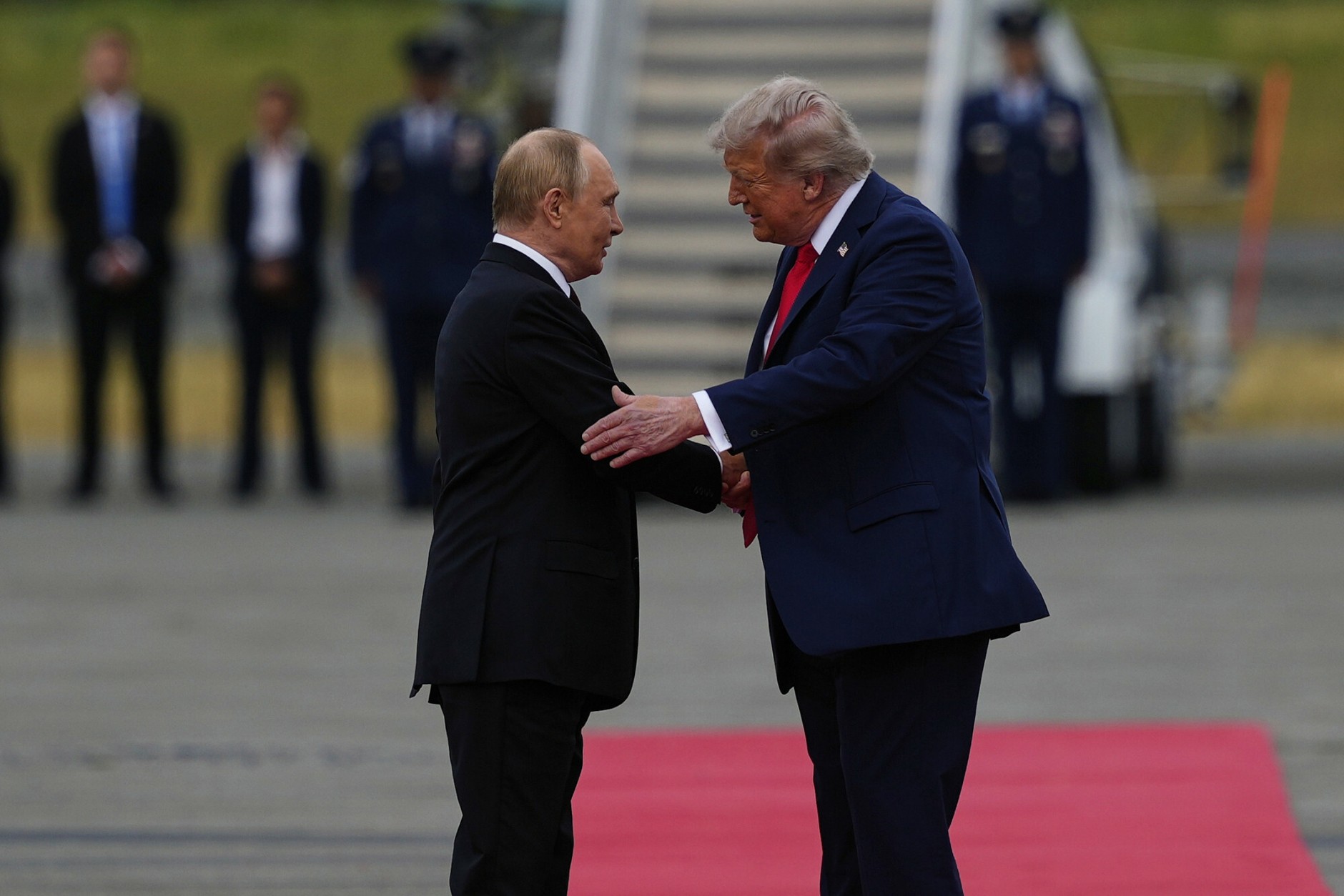
Vladimir Putin and Donald Trump during a meeting in Anchorage, Alaska, August 15, 2025.Julia Demaree Nikhinson/Associated Press/East News/East News
When asked about relations with the Donald Trump administration while being militarily dependent on the US, he called for a more decisive European attitude.
He warned that an agreement concluded solely to announce a political “deal” would not end Russian ambitions and could lead to further crises – e.g. against Moldova, the Baltic states or other EU and NATO members.
“This is how they can destroy Europe”
The strongest historical comparison was made in Munich.
— 87 years ago, the fate of Europe was decided in this city — he recalled, referring to the Munich Agreement of 1938, which forced Czechoslovakia to give up territories and key defensive positions.
The same would apply if Donbas was handed over. This is where Ukraine has its fortification lines
– he said.
— History doesn't repeat itself, but the US and Russia are trying to copy Munich 1938 like a digital twin in the technological age and in this way they can destroy Europe – he added.
According to him, diplomacy without real force encourages the opponent to put pressure, and Europe too often publicly sets its own limits, sending a signal of hesitation instead of determination.
— Putin understands diplomacy and force. He interprets our softness as weakness, he said.
Kiesewetter warned that the threat is not only the loss of territory, but also the collapse of the state's ability to function.
The situation may be even worse. Interruptions in energy supplies may lead to a point where the state ceases to function and the country becomes ungovernable
– he said.
Europe, he said, has for too long relied on costly intercepts of Russian missiles while denying Ukraine the means to strike Russian production and logistics far behind the front lines.
Unanimity is a problem
According to Kiesewetter, the EU's current decision-making mechanisms do not fit the wartime strategic realities.
— Unanimity in the European Union? You can forget about it, he said.
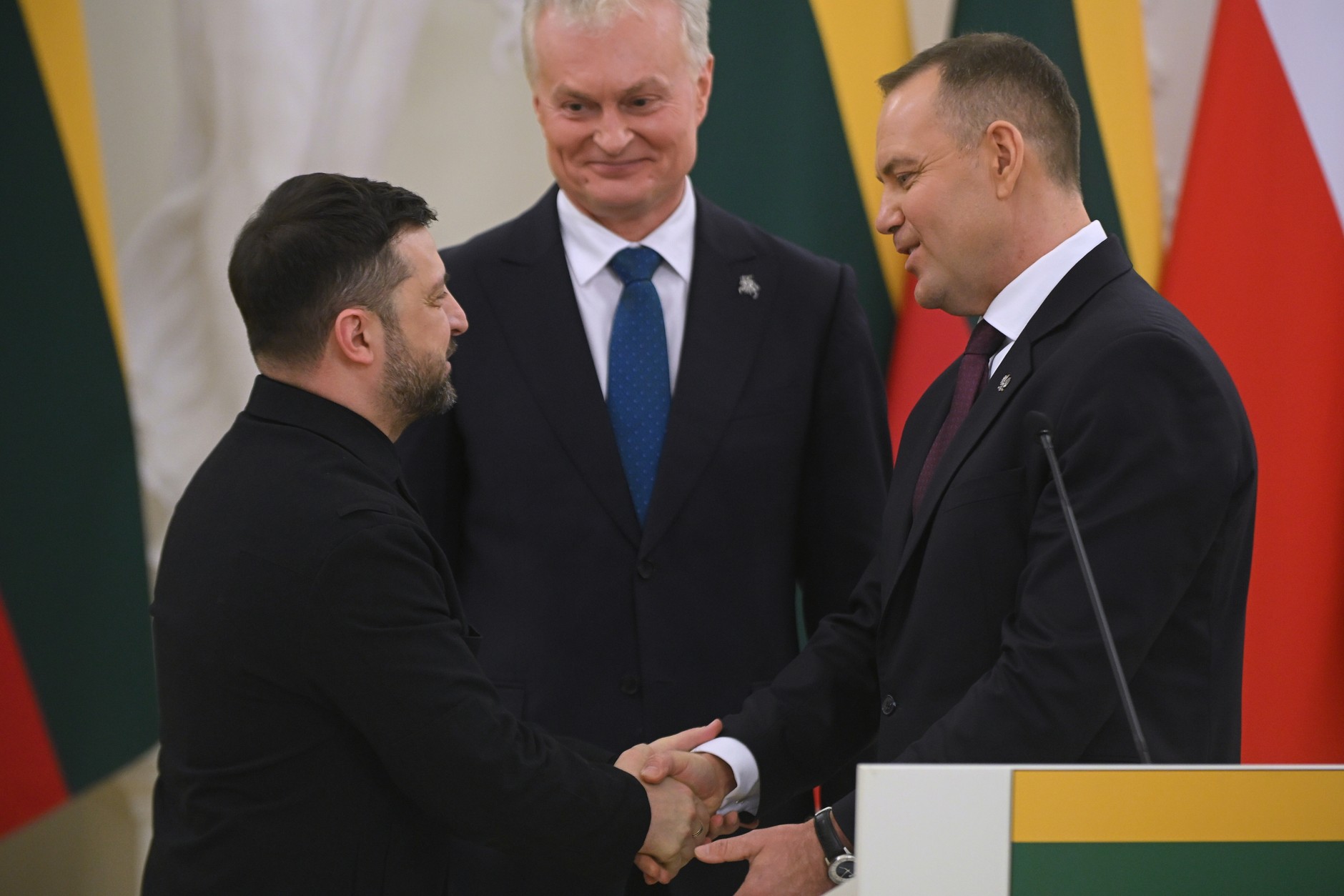
President of Ukraine Volodymyr Zelensky, President of the Republic of Lithuania Gitanas Nauseda and President of the Republic of Poland Karol Nawrocki during a meeting with media representatives at the Presidential Palace in Vilnius, January 25, 2026.Marcin Obara / PAP
He added that Berlin had feared escalation for years — but it escalated anyway.
His words referred to earlier criticism of Ukrainian President Volodymyr Zelensky, who accused Europe of endless debates and lack of decisions regarding long-range weapons. — Too often in Europe, something turns out to be more important than justice, Zelensky said then.
He also called again for the transfer of Taurus missiles, which – in his opinion – could paralyze Russian production of drones, missiles and logistics.
A grim alternative
When asked about a scenario in which Ukraine would not be able to maintain its war effort until a ceasefire, he presented the worst-case scenario.
— Ukraine will never surrender. Ukraine will always exist, he said. — But the question is in what form.
According to him, the country could survive, but as an impoverished state, highly militarized and destabilized from the inside – something like a “new North Korea”. Isolated, functioning in a constant state of threat and susceptible to the development of organized crime.
In such a scenario, Ukraine would cease to be the security pillar of Europe's eastern flank and would begin to generate a constant risk of destabilization – from migration pressure and an increase in cross-border crime to permanent military tension right at the borders of the European Union.
Instead of a partner strengthening the European security system, it would become its weakest link.
“Never again…”
In conclusion, Kiesewetter proposed a new reading of German post-war identity.
— The German lesson after 1945 was “no more war” and “no more national socialism.” But the lesson of our neighbors – France, Poland, the Baltic states and Ukraine – was: “no more helplessness“.
— If Germany really doesn't want war anymore, it must understand one thing: it can never be defenseless again – neither against America, nor against Russia or China.
For Kiesewetter, the fundamental question is no longer about declarations of support for Ukraine. The question is whether Europe is ready to become a true strategic power – to act fast enough, collectively enough and decisively enough to prevent Moscow from winning and prevent Ukraine from being reduced to a bargaining chip in a world ruled by political deals.
Europe, he stressed, can no longer wait for Washington to set the terms of the debate. He must decide whether he will remain a spectator of history – or finally become its actor.