Hamas regains influence in the Gaza Strip: it collects taxes and sends police to the streets

2026-02-21 19:49
publication
2026-02-21 19:49
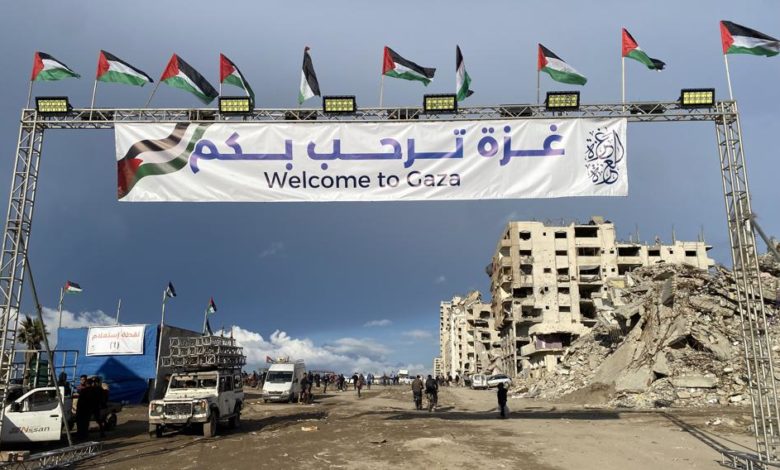
Hamas is regaining influence in the Gaza Strip, report Reuters, the BBC and the Israeli portal Ynet. The group appoints officials, collects taxes and puts law enforcement back on the streets, gradually strengthening control over the administration and security apparatus at all levels of management.
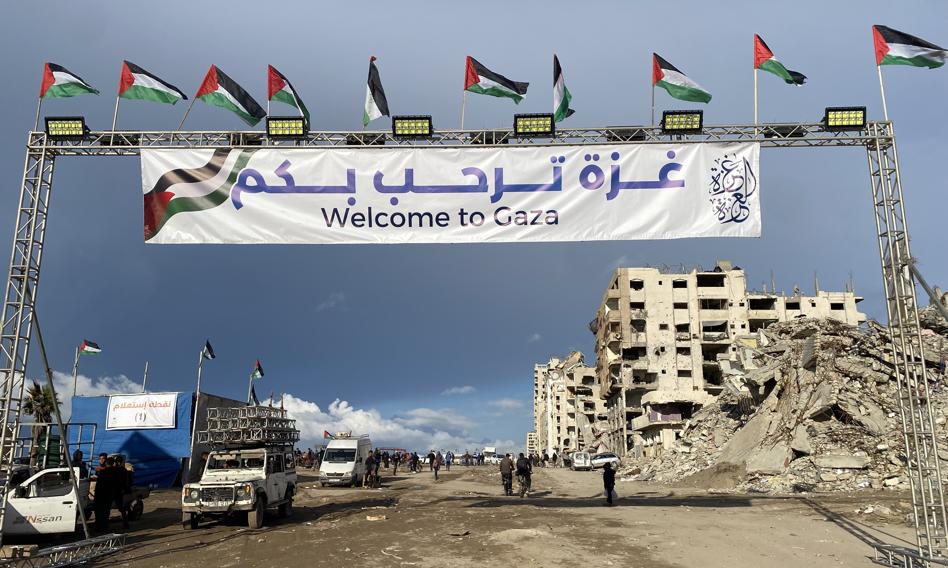
Despite the ceasefire concluded in October, Hamas – which, according to Israel, has a force of 40,000 to 60,000. members – is actively rebuilding its structures and strengthening its power in the Gaza Strip, which is visible in several key areas.
Local militias in the Gaza Strip – often supported by Israel – are trying to prevent Hamas from regaining control of Palestinian territory. As Ynet reported on Friday, the local People's Forces militia allegedly kidnapped a high-ranking Hamas commander in Khan Yunis.
However, Palestinian activist Mohammed Diab, quoted by the BBC on Wednesday, estimated that Hamas had regained control of over 90 percent. areas where it is present. In turn, according to Israeli military data cited by Reuters, 14 of Hamas' 17 ministries are already operational – compared to five at the height of the hostilities – and 13 of 25 local governments there.
According to sources, Hamas has appointed five governors – linked to its armed wing, the al-Qassam Brigades – and four mayors to replace those killed in the war.
Hamas claims that these are technical actions intended to prevent an “administrative vacuum”, while Israel sees it as an attempt to consolidate its influence at all levels of management, Ynet reported.
Since launching a fierce campaign against its opponents in the first weeks of the ceasefire, Hamas has focused on maintaining public order and collecting taxes on its side, the so-called the “yellow line” – agreed as the border separating areas controlled by Israel and Hamas. This results from a report by the Israeli army presented to Israeli Prime Minister Benjamin Netanyahu at the end of January, the details of which were revealed by Reuters just before Thursday's inaugural meeting of the Peace Council.
Hamas has resumed tax collection, including: from food and goods imported from Israel (e.g. cigarettes, batteries, phones). This income allows for the payment of salaries to officials and fighters – on average, approximately 1,500 shekels (approx. PLN 1,700) per month.
One food importer from Israel told the BBC anonymously that violence is used against traders who refuse to pay – in some cases there are kidnappings or threats.
“The Hamas police and security services have returned and are now on the streets, controlling crime and prosecuting people they describe as collaborators and dissenters. Citizens must contact Hamas authorities for identity cards or medical procedures, and the group is once again taking control of the justice system and courts,” Diab said from the Gaza Strip.
The issue of disarmament remains one of the most difficult points of US President Donald Trump's peace plan. It assumes that a group of Palestinian technocrats – the National Committee for the Management of the Gaza Strip (NCAG) – will take over the day-to-day management of the Gaza Strip and supervise the process of Hamas disarmament.
Hamas leaders unofficially signaled their readiness to hand over heavy weapons, such as rockets and mortars, to the Committee. However, the fighters categorically refuse to give up their personal weapons, arguing that they need to defend themselves against gangs and rivals. According to the Israeli military, Hamas is using the truce to regroup its forces and rebuild its potential, said army spokesman Nadaw Shoshani. (PAP)
bye/ change/