77 years after the establishment of the NATO defense alliance, a breakthrough is coming: security in Europe is becoming increasingly a matter for Europeans and less and less a task for Americans. — Europeans are taking on more and more responsibility, emphasizes a senior NATO diplomat.
The alliance is now talking about an “increasingly European NATO”. This new slogan will become available this week the main message in security policy — both during the meeting of NATO defense ministers on Thursday in Brussels and at this weekend's Munich Security Conference.
This development is largely inspired by President Donald Trump's administration. In line with Washington's intentions, as expressed in the new US defense strategy, Europeans have take over most of Europe's conventional defense as early as 2027while the Americans want to focus more on defending their own country and the Pacific region.
However, the American nuclear umbrella as a guarantee of the security of Germany and Europe is still to remain. — Americans they have never questioned this nuclear safeguard – our sources in the alliance unanimously emphasize.
Against this background, public debates about the Europeanization of nuclear deterrence or even about the “German atomic bomb” are largely considered unproductive. Britain and France could, however extend its security guarantees and nuclear umbrella to other European countries.
Europe under pressure from Washington
Behind the scenes, the Americans are putting enormous pressure on the Europeans to be able to defend themselves as quickly as possible. But Europe is still there far from this goal. There is a lack of troops, capabilities and an effective European defense industry.
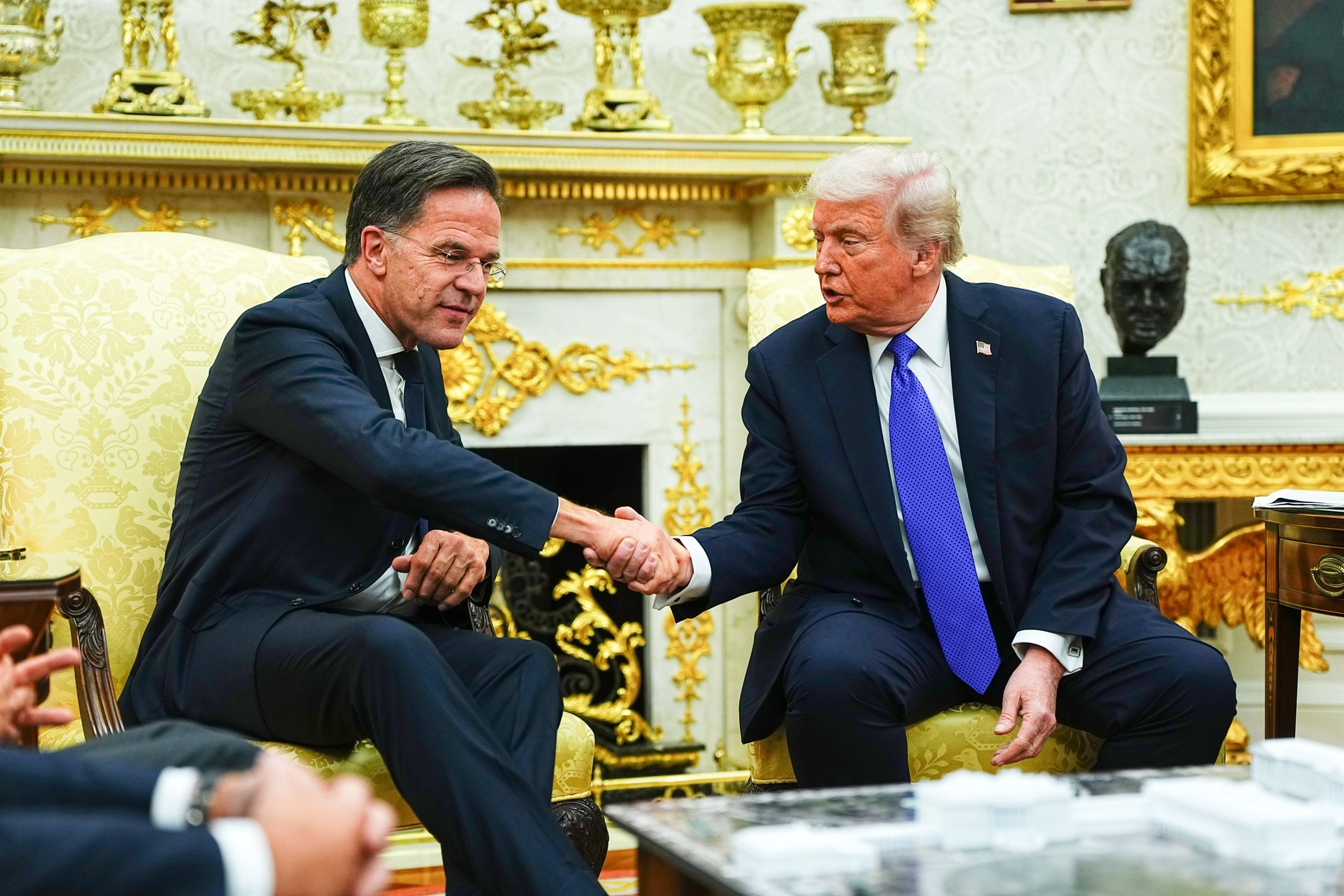
Mark Rutte and Donald Trump, president of the USA. Washington, October 22, 2025Aaron Schwartz / Pool via CNP/AdMedia / PAP
It will be years before Europe can completely replace American capabilities on land, in the air and at sea. The greatest deficiencies occur in satellite and drone reconnaissance and air defense. A big question mark, which is being intensively discussed in NATO command, is the extent to which the Europeanization of the alliance will influence Vladimir Putin's calculations and what conclusions the Russian leader will draw from it.
However, this depends on the determination of Europeans. At the NATO summit in 2025 it was decided that all member states are to increase defense spending to the level of 3.5 percent GDP by 2035 at the latest
Germany wants to achieve this goal already in 2029, while most NATO countries only in nine years. For Germany, this means defense expenditure of EUR 152 billion (approx. PLN 540 billion) in just three years – which from today's perspective constitutes almost one third of the entire federal budget. Compared to 2021, German defense spending would double in eight years.
Germany is moving up in NATO structures
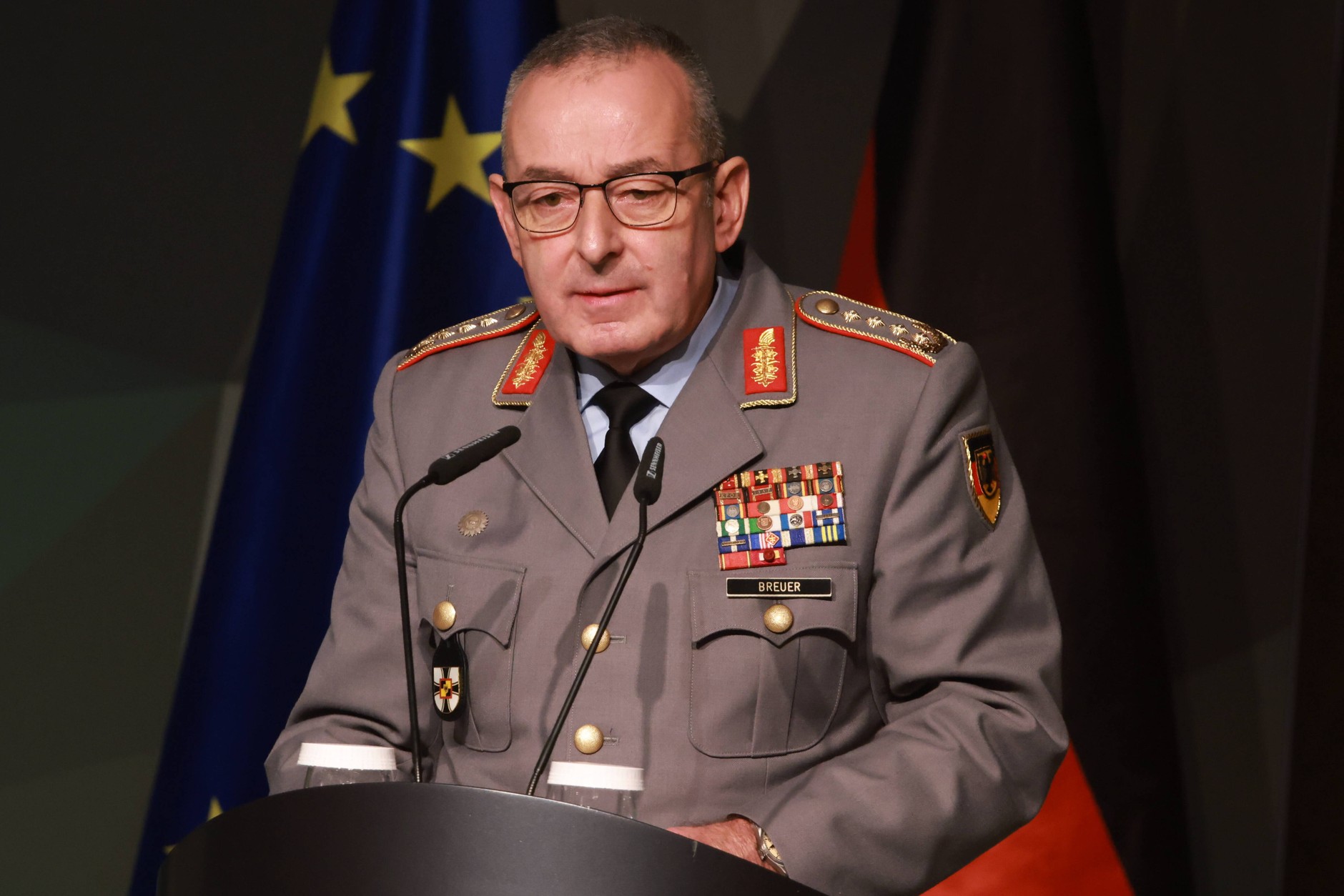
According to Washington, Germany and the Netherlands are to play a key role in the new NATO structure. At the same time, Germany will receive many more senior positions in the alliance's command structures – it will have more top generals than the United States. Bundeswehr Inspector General Carsten Breuer is to take up the position of head of the powerful Military Committee at the Brussels headquarters from the summer of 2027.
Carsten Breuer, Inspector General of the German Armed Forces, during the Bundeswehr 2025 conference in Berlin, November 7, 2025.EPA/CLEMENS BILAN / PAP
On Wednesday, NATO launched the “Arctic Sentry” mission, announced for weeks. The Alliance is thus increasing its military presence in the Arctic. This is both about ensuring greater security in the north and about easing the conflict over Danish-controlled Greenland, which was sparked by Trump. The Kremlin sees the Arctic as a strategic area for its superpower ambitions.
The Bundeswehr intends to take part in the mission using Eurofighter fighters and A400M transport aircraft. It will be held there in the future more coordinated exercises and better regional control. In the medium term, the creation of a new command in the Arctic is also being considered. “This is a really big undertaking,” said Mark Rutte, NATO Secretary General, in Brussels.