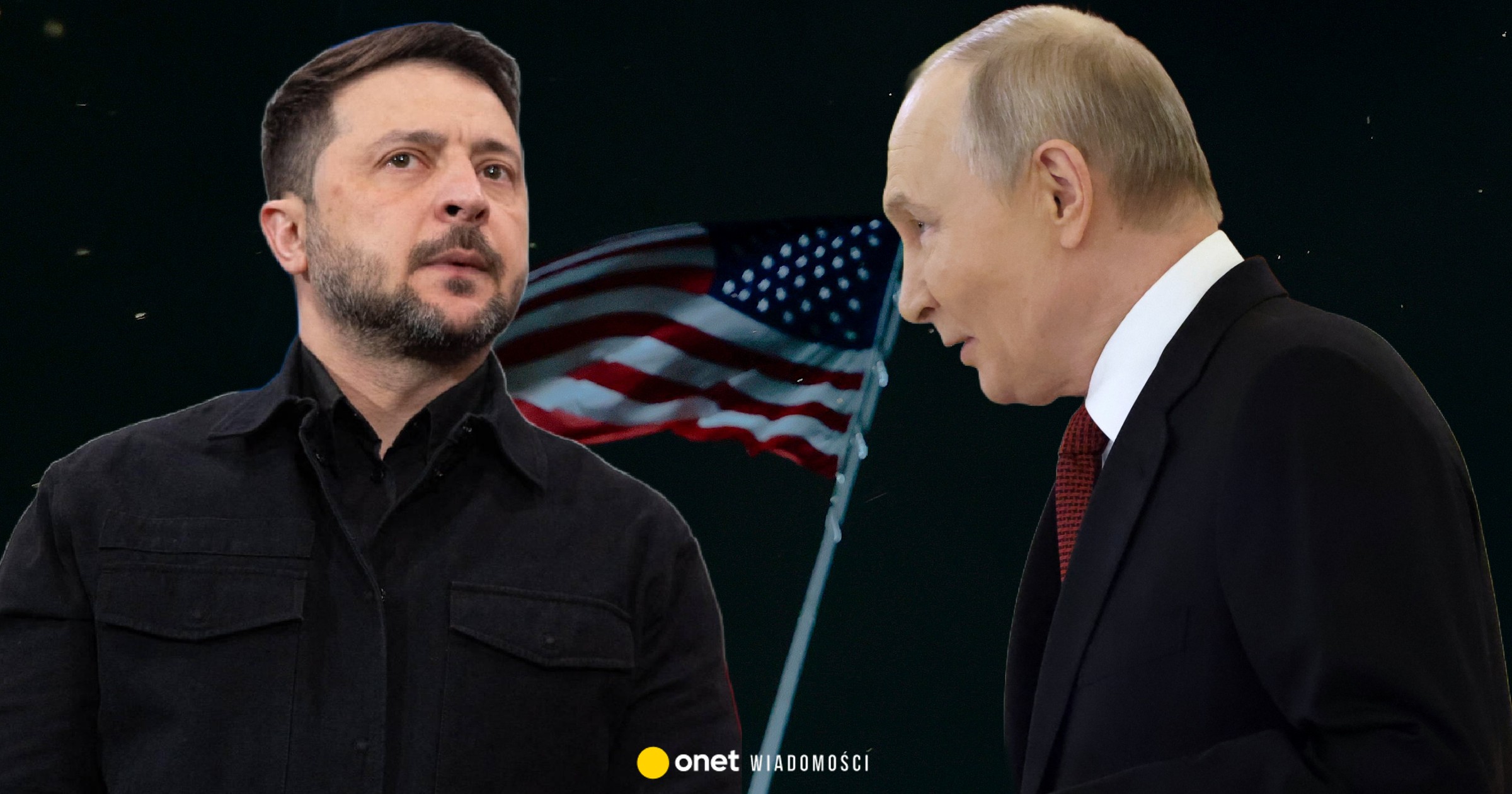
Here are four pieces of evidence that the US is losing its role as a peacemaker. The Kremlin is cleverly taking advantage of this. “This makes the mediator a tool in the hands of the other side” [OPINIA]
Many observers welcomed the recent negotiations in Abu Dhabi as a rare ray of hope in efforts to end Russia's war of aggression against Ukraine. The talks led to the first prisoner exchange in five months, sparked cautiously optimistic comments from all sides, and US President Donald Trump even announced that a peace agreement was closer than ever before.
But from the perspective of a seasoned international negotiator, the Abu Dhabi talks also exposed serious structural problems in the way the United States plays its role as mediator. These are not superficial or temporary shortcomings. If left uncorrected, they risk perpetuating weaknesses that Russia has repeatedly exploited in previous negotiations.
Still, the latest round of talks in Abu Dhabi highlighted persistent flaws in the current U.S. approach to mediation. These problems can be divided into four main categories.
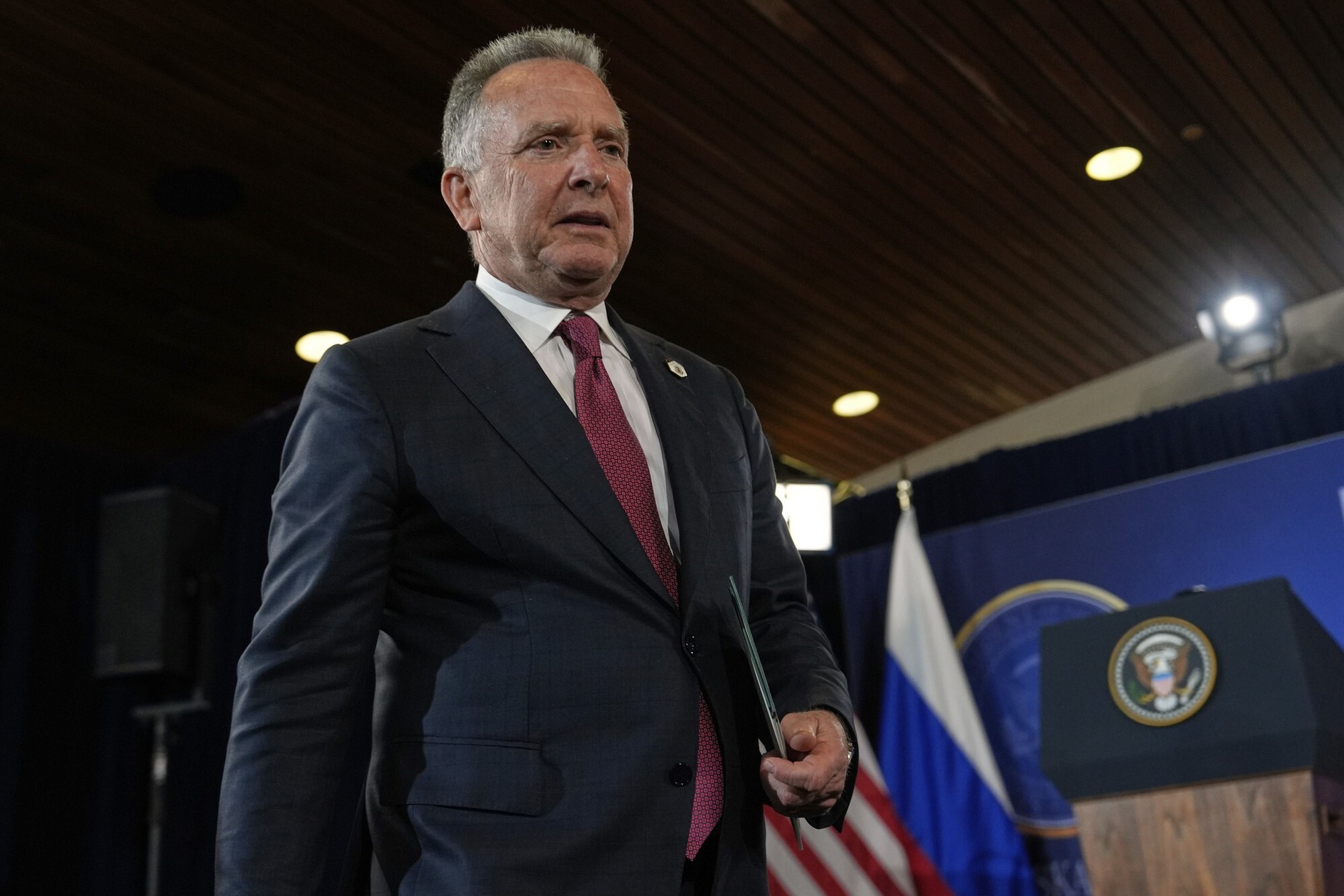
The first is the excessive burden on the US negotiating team. Steve Witkoff joined the administration as special envoy for peace efforts related to the Israel-Hamas war.
President Trump then expanded his powers to include the peace process between Russia and Ukraine. However, this was not the end – later, his tasks included the issue of American interests in Greenland and nuclear negotiations with Iran.
White House Special Envoy Steve Witkoff in Anchorage, Alaska, August 15, 2025.AP Photo/Julia Demaree Nikhinson/East News
The effects of this overload were visible in Abu Dhabi. Negotiations, originally scheduled for February 1, were postponed to February 4, without official explanation. President Zelensky later noted that the delay was due to reasons “unrelated to Ukraine.”
You only need to look at Witkoff's calendar to understand what was the reason: at the beginning of the week he was in the Gaza Strip, then he had just two days for peace talks in Abu Dhabi, and then immediately went to meetings with the Iranian foreign minister.
A credible mediator must focus on one conflict at a time – not only to give it the attention it deserves, but also to avoid itself becoming a bottleneck or even an obstacle to the progress of the negotiations.
2. Goal out of frame
The second major problem is introducing into talks with Russia topics competing with the issue of peace in Ukraine. On the sidelines of the talks in Abu Dhabi, Witkoff was also said to have discussed arms control parameters under the New START treaty with the Russian delegation.
Even if Washington maintains that these cases are not formally linked to the Ukraine peace process, being conducted in the same place and with the same officials makes such a connection inevitable. As a result, this weakens the chances of achieving a just and lasting peace.
As the United States talks with Russia about the war against Ukraine, their attention should be focused on one goal: reaching a solid, implementable peace agreement. Diluting this goal weakens the entire negotiation process and complicates its results.
3. Invitation to play in bad faith
While Trump's appeal to President Vladimir Putin to respect the energy truce in order to create better conditions for talks in Abu Dhabi should be appreciated, two serious problems quickly became apparent.
Firstly, this truce was announced without precise arrangements. Trump talked about a week-long suspension of attacks, while Kremlin spokesman Dmitry Peskov suggested that the White House only requested a truce until February 1.
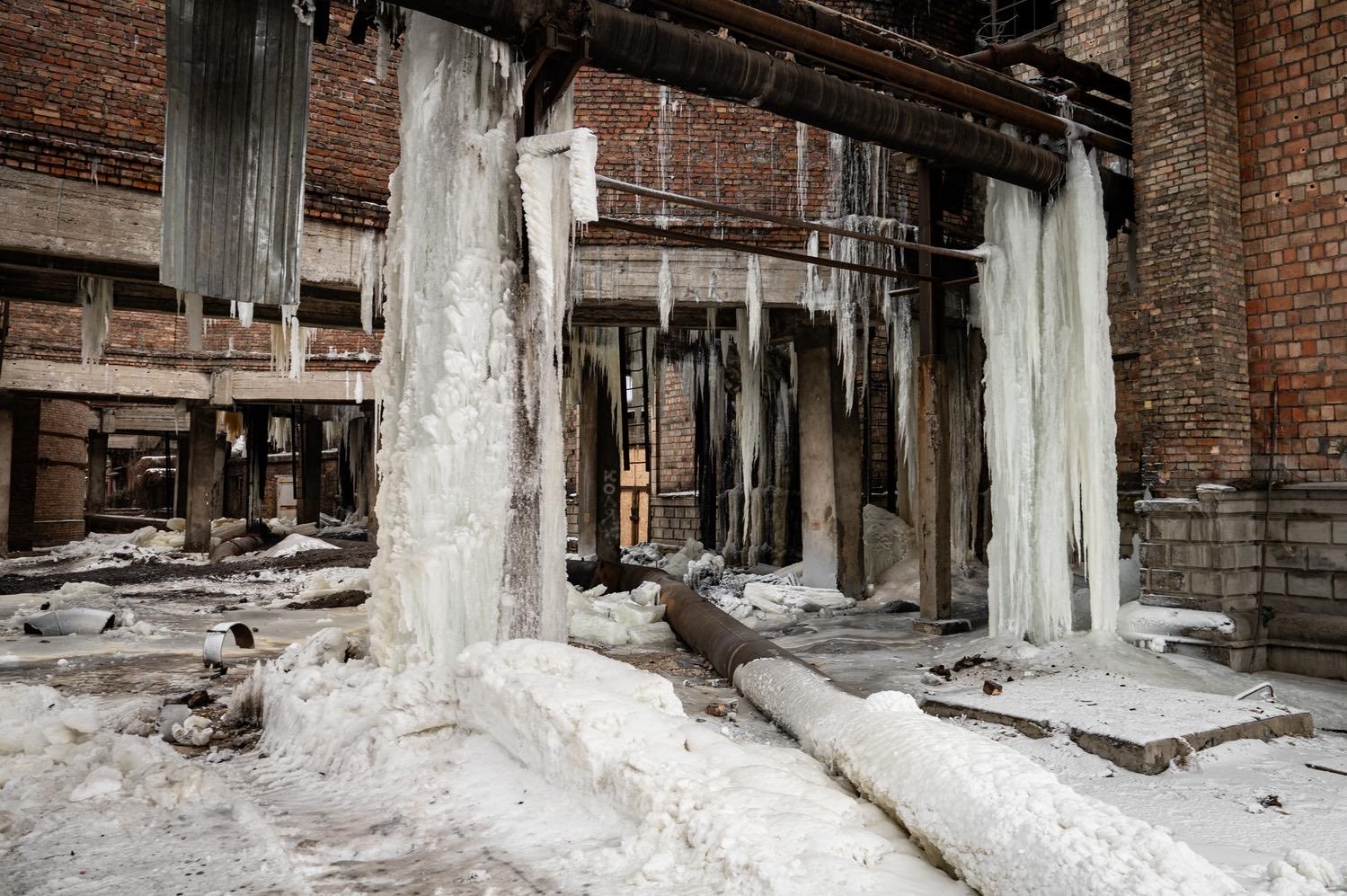
A thermal power plant in Kiev, Ukraine, destroyed by Russian forces (stock photo)https://x.com/OleksiiKuleba
Zelensky clearly declared that Ukraine will respect the ceasefire as long as the Russians do so. However, they refrained from attacking for only a few days, and then they hit the energy infrastructure again. These kinds of vague arrangements are exactly what the Kremlin will pursue in a broader peace agreement — because they leave enormous scope for bad faith actions.
The second problem was the U.S. government's reluctance to immediately impose sanctions. Treasury Secretary Scott Bessent mentioned the possibility of introducing an additional package of sanctions targeting Russia's “shadow fleet”, making them dependent on the progress of peace talks. Meanwhile, these sanctions should be implemented immediately after Russia broke the energy truce.
If you cannot respond to bad faith actions at the negotiation stage, you cannot effectively enforce them at the stage of implementing the agreement.
4. Conflicts of interest
However, the most disturbing problem revealed during this round of talks is the introduction of conflicting interests into the negotiation process.
It was already surprising that US officials were conducting bilateral talks with their Russian counterparts on economic cooperation just before the second round of negotiations on security guarantees.
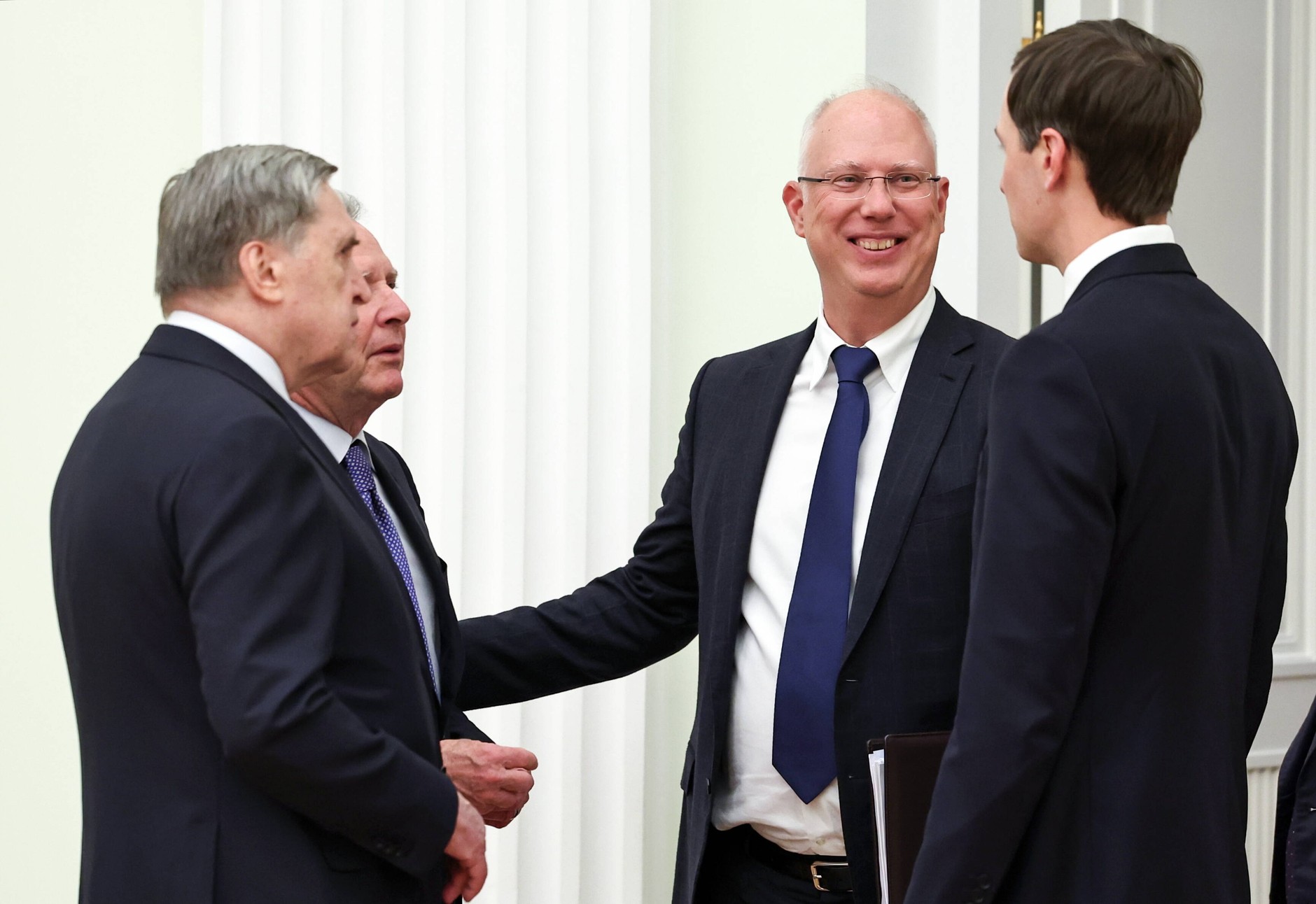
Kremlin adviser Yuri Ushakov, U.S. presidential envoy Steve Witkoff, Russia's chief economic negotiator Kirill Dmitriev and Trump's son-in-law Jared Kushner before meeting with Russian President Vladimir Putin at the Kremlin in Moscow, Russia, January 22, 2026.ALEXANDER KAZAKOV/SPUTNIK/KREMLIN POOL / POOL / PAP
What initially seemed merely unusual became seriously alarming when reports emerged that Russian financier and investor Kirill Dmitriev had used the meeting to propose a broad economic package that would bring significant financial benefits to the United States. If this information is true, we are dealing with a serious conflict of interest in the peace process.
When a state acting as a mediator introduces its own separate interests into the negotiations – especially economic ones – it ceases to be an impartial intermediary and becomes one of the parties to the negotiations.
At best, this changes the negotiation framework, and at worst, it turns the mediator into a tool in the hands of the other side.
What we are currently observing indicates that the Kremlin has added a new element to its negotiating strategy. So far, it has been based on three pillars:
1
adhering to maximalist demands;
2
increasing the costs incurred by Ukrainians in order to break their determination;
3
and waiting until Ukraine's partners lose interest and limit their support.
Now the fourth pillar has been added: tempting the White House with lucrative economic deals to get the U.S. government to pressure Kiev to make further concessions.
The article continues below the video
At this stage, it is crucial that these issues are clearly communicated to the White House – both by US officials involved in the peace process and by Republican members of Congress who support Ukraine and have direct influence on Trump.
At the same time, the Zelensky administration must try to get ahead of the Kremlin's actions to use Witkoff and his team in bilateral negotiations. Chief negotiator of Ukraine, Rustem Umerov, should actively demand a clear separation of topicsbinding commitments and full transparency on any parallel U.S.-Russian talks that may impact Ukraine's position.
What needs to be changed?
Peace processes fail not only when one side acts in bad faith, but also when mediators allow competing priorities, issues and interests to distort the rules of the game. The talks in Abu Dhabi show that this risk is no longer merely theoretical.
An overloaded negotiating team, blurred boundaries between topics, imprecise commitments and the introduction of parallel economic interests weaken the foundations of any future agreement.
If these trends continue, the result will not be peace, but a fragile, unworkable agreement that will shift the burden of pressure onto Ukraine instead of actually limiting Russia. To avoid this, the United States must restore discipline in its mediator role, and Ukraine must consistently demand clarity, separation of topics and full transparency in all parallel negotiations.
Unresolved problems may undermine both the sacrifices made so far and the foundations of any lasting peace.
I’m Ashley Davis as an editor, I’m committed to upholding the highest standards of integrity and accuracy in every piece we publish. My work is driven by curiosity, a passion for truth, and a belief that journalism plays a crucial role in shaping public discourse. I strive to tell stories that not only inform but also inspire action and conversation.