Cseke Attila: “Only a quarter of the municipalities support their salary expenses from their own income” / What was the situation in 2021


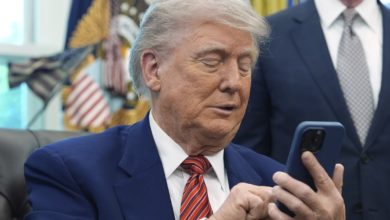
The Minister of Development Cseke Attila declared on Tuesday, after the meeting of the mayors of the communes with the coalition leaders at the Parliament, that only “a fourth” of the more than 3,200 municipalities in Romania can pay, from the money from taxes and fees, the salaries of their employees. In 2021, the minister said that only 39 town halls can cover their operating expenses from fees and taxes, but he was referring to all expenses, not just salaries.
Cseke Attila explained that there is an analysis at the Ministry of Development related to the number of town halls that can cover their expenses with salaries from the money they collect from fees and taxes.
“We have an analysis related to this aspect. Our figures show that, last year, somewhere at the end of the summer, a little over a quarter of the administrative-territorial units supported their salary expenses from their own income. The rest did not,” he said.
However, the operating expenses, about which the minister was asked, do not only refer to salaries, but also to utilities, consumables or current repairs for example.
Cseke Attila said that there is a draft law aimed at remedying the situation, which will be included in the package of measures to reduce public administration expenses for which the Bolojan Government intends to undertake its responsibility.
“In the legislative draft, this aspect is regulated, in the sense that for those who do not have their own income to support personnel expenses, the establishment of a salary scale is provided by Government Decision within 60 days from the entry into force of the legislative draft”, he added.
The leader of the Buzău branch of the National Union of Municipal and Town Employees (SCOR) said today, according to Agerpres, during the strike of town hall officials, that the salary scale the minister is talking about is a scale “for the poor”:
“There is also the 'grid for the poor', as we called it, for the town halls that cannot afford to pay their taxes and fees exclusively from their salaries, to establish a national grid with values lower than those in payment”, SCOR Buzau leader Adrian Marin told Agerpres.
Also on Tuesday, Prime Minister Bolojan said, during the speech at the General Assembly of the Association of Municipalities, that 80% of the town halls' money comes from the state budget, not from their own receipts.
“In Romania, most of the amounts used by the local administration come from transfers from the state budget. It's about 80% compared to what happens in the European Union, which means about 50%,” said Bolojan.
The prime minister's remark sparked discontent among the mayors present at the event who began shouting in the hall, contradicting him.
What the Minister of Development said 5 years ago
In July 2021, the Minister of Development said, according to News.ro, that only 39 of the 3,228 mayors support their operating expenses.
“The simulations say this: if we only take local taxes and fees paid at the level of UATs – we have 3228 UATs – versus the operating expenses, i.e. salaries and goods and services, the operating expenses of the town halls, we should have 39 UATs out of 3228: one County Council, two municipalities in the country, four cities and 32 communes”, Cseke Attila said then.
The difference between the data from 2021 and those presented today by the minister caused by the fact that the data provided in 2021 referred to the entire operation of a town hall.
The figures presented today by Cseke Atilla refer only to the municipalities that can cover their salary expenses, without including other operating costs such as those of goods and services.
HotNews sent a request to the Ministry of Development, requesting the data on the municipalities that can ensure their operating expenses.