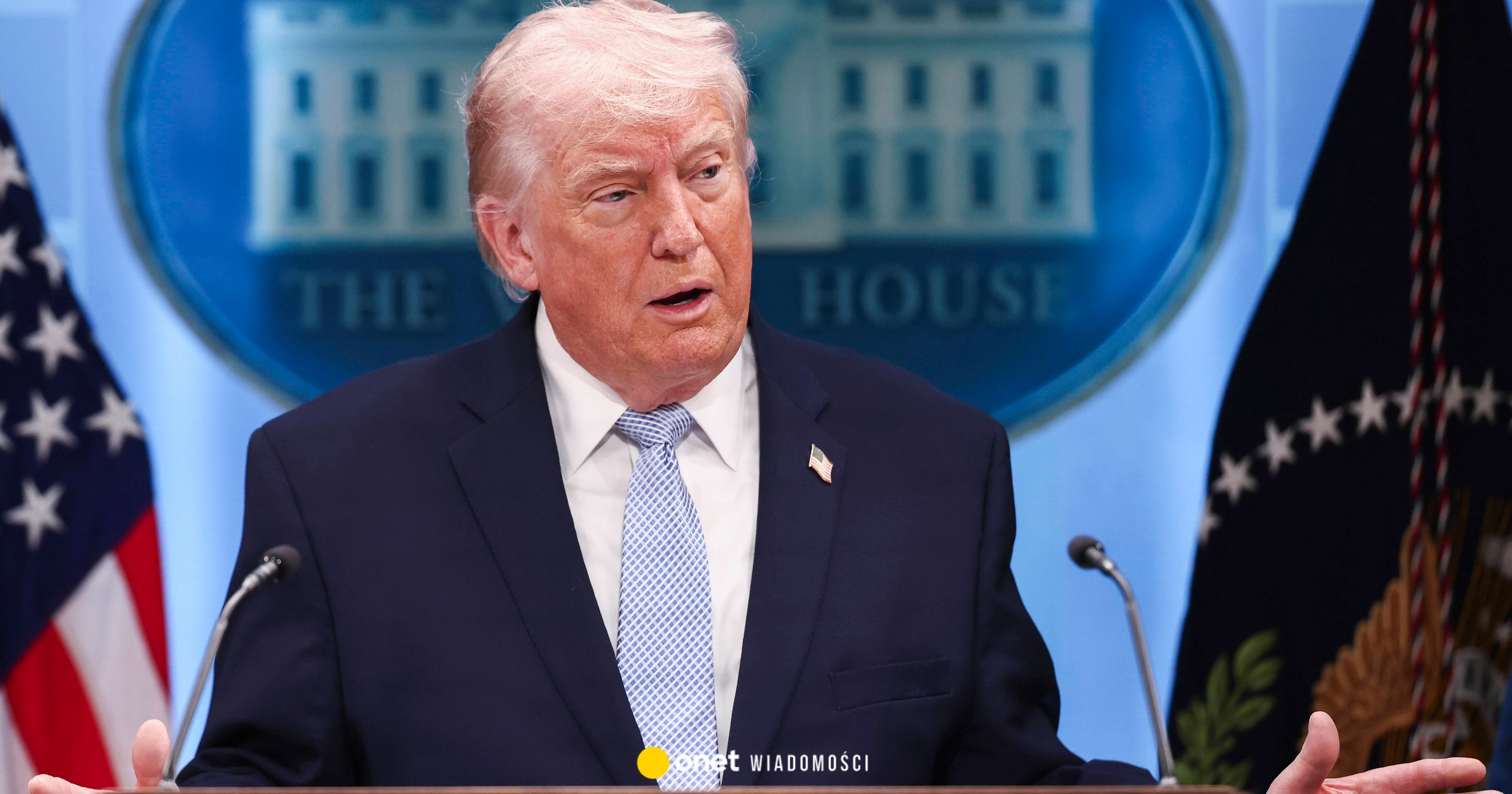
At the beginning of the second term, Donald Trump presented to the world as the Supreme Negotiator, a leader who will bring peace by the force of his will and talent as a negotiator. But one hundred days after taking the oath, the US president faces not only a conflict, but a mosaic of global crises – four active wars and two on the verge of triggering.
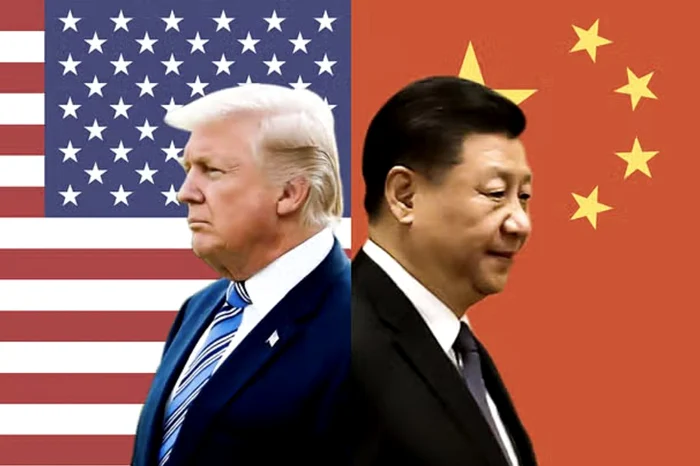
Donald Trump and Xi Jinping/Photo: X
The war in Ukraine
The first, the one in which Trump has always expressed his confidence that he will get a rapid diplomatic victory, is the war in Ukraine. It relied on a simple formula: economic pressures on Russia, territorial assignments from Kiev and an agreement to cease fire. But the reality has proven much more complex. Vladimir Putin remains firm in his maximum goals and seems convinced that time works in favor of Moscow. An agreement, under these conditions, is more distant than ever.
Trump is thus at the crossroads: either the military and economic support for Ukraine continues, including new oil sanctions on Russia, or withdraws, leaving the conflict to decant alone. Both options come with risks: the first undermine the pro -oscova rhetoric and the supply of its isolationist base; The second could accelerate a Ukrainian defeat, with serious consequences for European security and the future NATO.
middle east
The second confrontation takes place in the Middle East. The American blows in Yemen were unable to stop the advance of the Husit, while Israel resumed the offensive against Hamas. But none of these crises compare with the threat of a possible direct confrontation to Iran, against the background of its tensions related to its nuclear program.
In this equation, Trump oscillates between a minimalist approach – preventing Iran from acquiring the nuclear weapon – and a maximalist strategy, which would involve the complete abolition of the Iranian nuclear infrastructure. The latter seems unacceptable to Tehran and risks triggering a major conflict in the region.
Asia
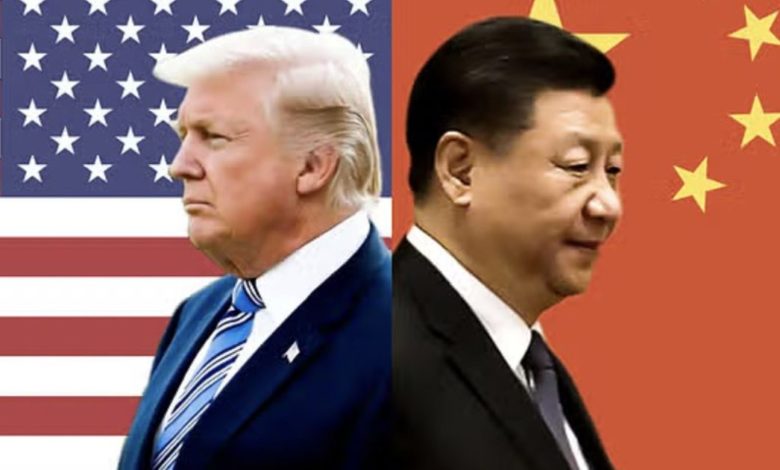
Further to Asia, a new confrontation is outlined – a cold one, but not at all devoid of dangers: the increasingly tense relationship with China. If at the beginning of the second term Beijingul still hoped in a great economic understanding with Washington, now, in the context of increasingly aggressive commercial rates, Chinese officials announce that they are prepared for a lasting confrontation.
Commercial war
On the merits, Trump also launched a sixth front: a global economic war. For the moment, the most hard commercial rates mainly concern China, but it is not excluded that they are expanding. An eventual mass application of these measures could trigger a chain reaction that would affect the global economy – and including the American one.
In this tense context, the traditional US allies are anxiously looking at America's new posture. “It is a radicalized, unpredictable America, in a dangerous drift,” writes Hal Brands, Bloomberg editorialist. Even though a rapid victory against rebels Houthi might seem like a signal of strength, the overall image is one of systemic weakness. Beyond the rhetoric about a new “American century”, many capitals see, in silence, a decaying superpower.
And this perception is not born only from recent actions. British journalist Con Coughlin, an expert in international business, recently drew attention that Trump's concession gestures towards Russia risked creating dangerous precedents. If Moscow is allowed to stand up the principles of international law without consequences, what could beijing stop claiming Taiwan or Argentina to reopen the subject of Falkland Islands?
Trump is undoubtedly in the period that will define not only the second term, but also his place in history. The question is: will he manage to rise to the height of his own rhetoric, or will he become the symbol of an America who confused diplomacy with the show and force with the impulse?