
On February 7, 1992, the states of the European Communities signed the Maastricht Treaty, the document that laid the foundations of the European Union, expanding economic and political cooperation and introducing the concept of European citizenship.

The Maastricht Treaty laid the foundations of the European Union PHOTO Facebook
1812 – Charles Dickens, English writer, was born
On February 7, 1812, Charles John Huffam Dickens, one of the most important novelists of the 19th century, was born in Portsmouth, England. Dickens's childhood was marked by financial hardship, culminating in his father's imprisonment for debt in the Marshalsea Prison, which forced the young Charles to work in a boot paste factory, an experience later reflected in his works.
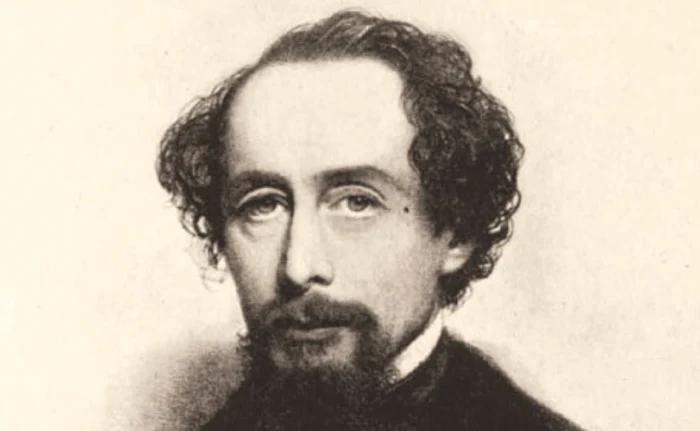
Charles Dickens PHOTO Archive
Dickens made his debut as a journalist and found literary success with the publication of the pamphlet The Pickwick Papers (1836–1837). He wrote novels that had a major impact on British literature and society, including Oliver Twist, David Copperfield, Bleak House, Great Expectations and A Christmas Carol. His works realistically depict the social conditions of the Victorian era, the legal system, education and working class life. Charles Dickens died on June 9, 1870, aged 58, and is buried in Westminster Abbey.
1935 – “Bing Bang”, the first sound film made in Bucharest
The date of February 7, 1812 is associated with a historical landmark in Romanian cinema: the premiere of the film Bing Bangmade in Bucharest. The film stars Stroe and Vasilache, one of the most popular comic couples of the interwar period, known for their revue theater shows and radio broadcasts.
Bing Bang is considered the first sound film made entirely in Romania, using an audio recording device built by the Romanian engineer Gartenberg Argani. The production represented a significant technological step for the local film industry, which was still in its infancy. The film was well received by the public of the time and demonstrated the possibility of making domestic sound productions, at a time when most of the films projected in Romania came from abroad.
1940 – Premiere of the animated film “Pinocchio”
On February 7, 1940, the premiere of the movie Pinocchio takes place, the second animated feature film produced by the Walt Disney studios. The film is inspired by the Italian novel Le avventure di Pinocchio (1883), written by Carlo Collodi, and was made entirely through traditional hand-drawn animation.
Pinocchio represented a major advance in animation technique, being praised for its fluidity of movement, use of special effects and soundtrack, which included the song “When You Wish Upon a Star”. Although the financial success of the release was affected by the context of the Second World War, the film later became one of the most appreciated titles in the history of animation. Over time, Pinocchio has been included in numerous rankings of the best films ever made.
1992 – Constitution of the European Union by the Treaty of Maastricht
The leaders of the European states signed, on February 7, 1992, the Treaty of Maastricht, the document that laid the foundations of the European Union. The treaty was signed in the city of Maastricht, the Netherlands, by the 12 member states of the European Communities at that time.
The document entered into force on 1 November 1993 and expanded cooperation between member states beyond the economic dimension, introducing common policies in areas such as foreign affairs, security and justice. The Maastricht Treaty established European citizenship, created the Economic and Monetary Union and laid the foundations for the introduction of the euro. This represents one of the most important founding acts in the history of European integration.
1998 – Opening of the Nagano Winter Olympics
Also on February 7, 1998, the Winter Olympics opened in Nagano, Japan, the 18th edition of the competition. The opening ceremony took place at the Nagano Olympic Stadium in the presence of thousands of athletes and officials from around the world.
The 1998 Winter Olympics featured 72 countries and over 2,000 athletes, with disciplines such as snowboarding and women's ice hockey being introduced for the first time. Competitions were held at several locations in the Nagano region, and the event was praised for its organization and infrastructure. The Games ended on February 22, 1998 and cemented Japan's position as an important host of major international sporting events.