The legendary wine that drove emperors and poets crazy. What were the qualities of the liquid and what did it taste like

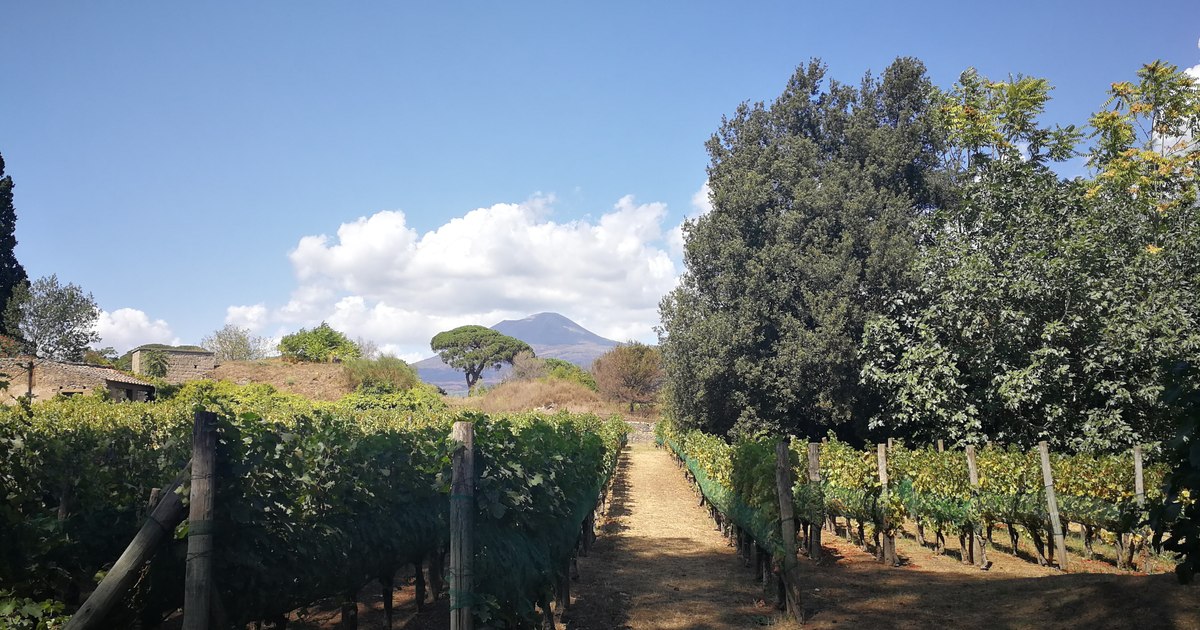
Wine is one of the oldest and most consumed alcoholic beverages in the world. Throughout history, several wine varieties and brands have become legends. Although they are no longer made today, they are said to have tasted divine.
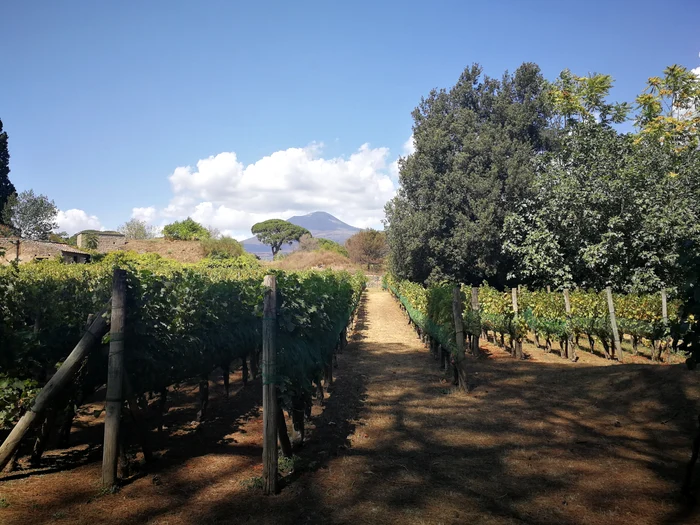
Wine region in Italy PHOTO wikipedia
Wine was one of the most appreciated drinks in the ancient world, consumed not only as food, but also as part of religious rituals, official or informal gatherings, also proving to be an important social binder. Some even considered it medicine, using it as such or actually as a base for various potions. The Egyptians, Greeks and Romans had wines recognized for their quality and prestige, many of them becoming legends of the time. Today there are over 10,000 varieties of wine, coming from vineyards all over the globe. Some are famous, others are considered by the dozen, the difference being made by taste, tradition, skill, soil and a host of other factors. There are statistics that show that the world's population consumes 232 million hectoliters of wine annually. Despite new technologies and genetic advances, a wine consumed in the Roman Empire remains an undeniable legend and a lost pearl of oenology. There are institutes that spend years just to trace the grape varieties used in the production of these wines and to identify the color and taste.
The wonders of Bacchus on the hills of Campania
Two millennia ago, Rome was the capital of a huge, cosmopolitan, civilized, multi-ethnic empire. The Latins, the Sabines and the Etruscans, who founded the eternal city, lived in a Mediterranean climate that favored the culture of the vine. In addition, they learned from the Greeks living in the prosperous southern Italian colonies how to produce quality wine. From the same Greeks they also borrowed a god of wine and libations, Dyonnisos, baptized Bacchus by the Romans. With the new god and with the Greek civilization that dispersed in the Roman world, the inhabitants of Rome, of Italy and then of the entire Romanized world learned a culture of wine consumption.
Wine was a daily necessity for a true Roman. It was consumed as food or as a recreational liquor. Due to the high demand for wine, numerous wine-growing areas were developed, initially in Italy and then, with the Roman expansion, throughout the Roman Empire, including Gaul, Hispania, Greece, Asia Minor or Moesia. Wine was consumed equally by slaves, common citizens, soldiers or patricians, i.e. elites. There were wines for all budgets and all walks of life. Numerous ancient authors glorified Roman wine and wine consumption. The poet Horace, for example, when he contemplated death, was more worried about parting with his wine cellar than with his wife.
However, there is a Roman wine variety that has become a true legend, being considered a true superstar of winemaking in the Roman Empire. In the archives of oenology, few wines occupy such an important place as Falernian wine, the legendary drink of the Roman Empire. Esteemed by poets, statesmen and emperors alike, Falernian wine was a symbol of Roman opulence and refinement.
This wine has its origins in the wine-growing area of the Campania hills in southern Italy, where the region's fertile volcanic soils provided a distinct advantage. It was produced from vines planted on the slopes of Mount Massico, and its name comes from the Agro Falerno area, famous for its fine wine production. Other legends say that, in fact, the name would come from a peasant who would have created it after a fantastic meeting with the god of wine and fun, Bacchus. Evidently, the farmer's name was Falernus. He was working his land on Mount Massico when he received a visit from Bacchus. The god was disguised and the peasant did not realize who he was talking to. Falernus generously offered Bacchus a modest meal and displayed hospitality and a sense of humor. As a reward, Bacchus filled the goblets on the table with a magical wine. When Falernus awoke the next day from his hangover, he found that the mysterious traveler had left, but in his wake had transformed the mountain, leaving it covered in luxuriant vines.
A wine with shades of amber, hard and highly appreciated
Beyond legends and stories, studies based on samples taken from amphorae discovered in these wine-growing areas, Falernitan wine was a white variety, matured for long periods in huge clay amphorae. It was often kept sealed up for several decades. Imprinted on this wine was the shade of amber obtained by prolonged oxidation.
There are historical accounts that mention a 160-year-old Falernian wine served to the Roman emperor in crystal goblets. Whether it was true or not, it is certain that Falernian wine had a high alcohol content. Pliny the Elder remarked that the Falernian variety was the only wine capable of igniting when you brought the flame close to it. It was made only from grapes picked very late, towards the end of the harvest season. Under these conditions, the result is an overripe sweetness, similar to contemporary dessert wines. Afterwards, it was traditionally aged in clay amphorae for about fifteen to twenty years.
Pliny the Elder wrote that this Falernian wine has three varieties: rough, sweet and thin. The most prized seems to have been the sweet tasting wine. Specialists from the University of Ghent studied several containers in which wine was stored or produced, in the ruins of the city of Pompeii, which was a large commercial and urban center, and thus managed to reconstruct its aroma. It is a white wine with an amber color, with some special aromas. This would have tasted like roasted nuts, toast or spices. There were probably different varieties, of which Pliny the Elder also mentioned, to which, possibly, different spices and flavors were added.
Sung by poets, appreciated by emperors
In any case, Falernian wine became a real star of Antiquity. Known as one of Rome's most important and beloved wines, it enjoyed fame for at least half a millennium, being prized by senators, emperors, generals and statesmen. This wine was so coveted, famous and expensive that a Roman aristocrat left posterity the pleasure of consuming it. “Here I rest, once known as Primus. My days were filled with working oysters and frequent sips of Falernian wines. Over the years, the joys of bath, wine and love have been my indulgence.” wrote on his tombstone. Some varieties of Falernian wine were associated with luxury and the elite. They were the preferred choice at lavish banquets and a staple in the cellars of the wealthy. Wine was praised and sung by Roman poets. For example, by Horace and Martial, who praised its quality and potency. Pliny the Elder, in his work “Naturalis Historia”, tells about Falern wine from 121 BC, a harvest so famous that it was celebrated for centuries.
Horace and Catullus referred to Falernic wine in their poems, and Petronius included it in his Satyricon. It was so sought after that it ended up being faked. Many dozen wines were sold throughout the empire under the name of Falernian wine. It is estimated to have been around 15% alcohol, an incredible feat for the winemaking methods of the time. “There is no known wine that is superior to that of Falern; it is also the only one of all wines that catches fire on the application of flame”wrote Pliny the Elder. The reputation of Falernic wine extended beyond the borders of the Roman Empire, becoming a symbol of Roman cultural and gastronomic supremacy. It was the favorite of emperors Caligula and Nero, but also of the great Julius Caesar.