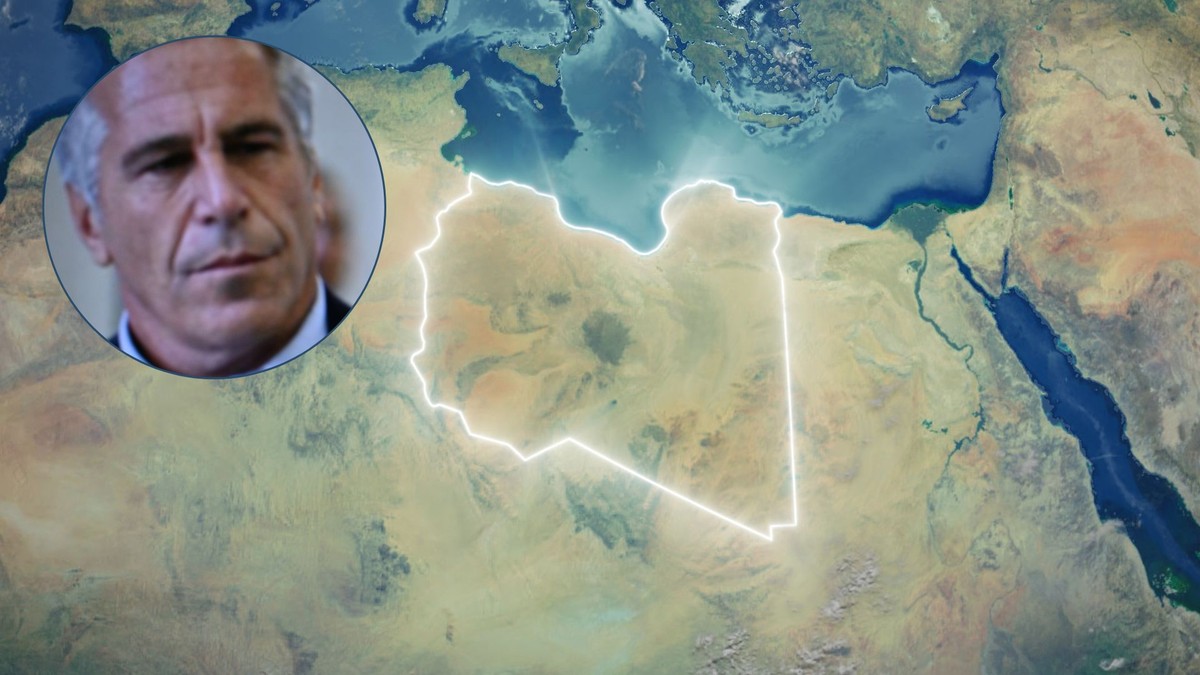
The documents show that Epstein and his partner Greg Brown discussed the possibility of working with former officers of the British intelligence service MI6 and the Israeli Mossad.
The rest of the text below the video
Read also: A Polish company appeared in Jeffrey Epstein's files. He earned a lot from it
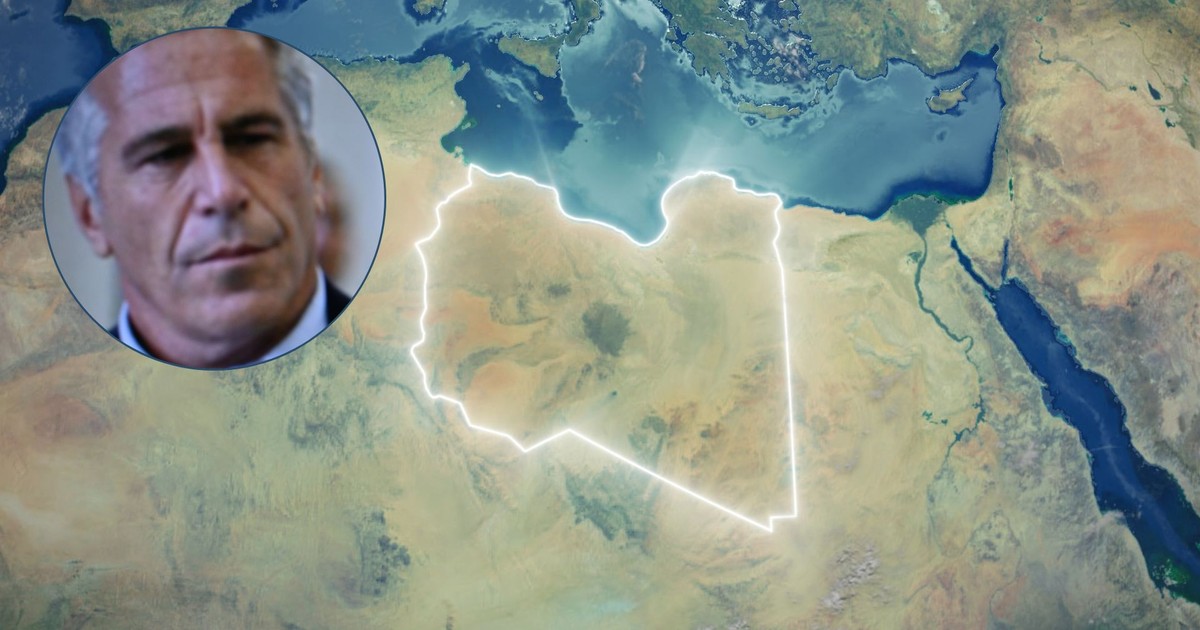
Jeffrey Epstein targeted Libya. “We're still talking about billions of dollars.”
In email correspondence, Epstein described unapologetically potential profits from taking advantage of the chaos and violence that engulfed Libya with the outbreak of the civil war.
“If we manage to identify and recover 5 to 10 percent. this money and receive from 10 to 25 percent. compensation, we are still talking about billions of dollars” – he wrote, encouraging his British and Israeli partners. These quotes were quoted by the Libyan portal LibyaObserver.
The asset takeover plan was to consist of: blackmailing Libyan officialsto force them to hand over control of Libya's assets frozen abroad. Their value at that time was estimated at approximately USD 80 billion.
Read also: Epstein scandal in one of the largest banks
However, Epstein himself claimed that the actual scale of Libyan wealth that may have been embezzled or hidden by the Gaddafi regime was much greater – as much as three or four times higher than official estimates.
Frozen fund and international pressure
The Libyan wealth fund, established in 2006 to invest surpluses from oil sales, was frozen by a decision of the UN Security Council in 2011. This was to prevent the funds from being taken over by the crumbling regime and its representatives fleeing the country.
Last year, the Government of National Accord in Tripoli established a special commission to recover these funds, which remain inaccessible to Libyans to this day. However, these activities are carried out under strong international pressure. Several European countries have already filed lawsuits demanding part of Libya's assets as compensation for investments lost as a result of the ongoing armed conflict.