Record peak. Gold and silver prices are skyrocketing. What does this mean

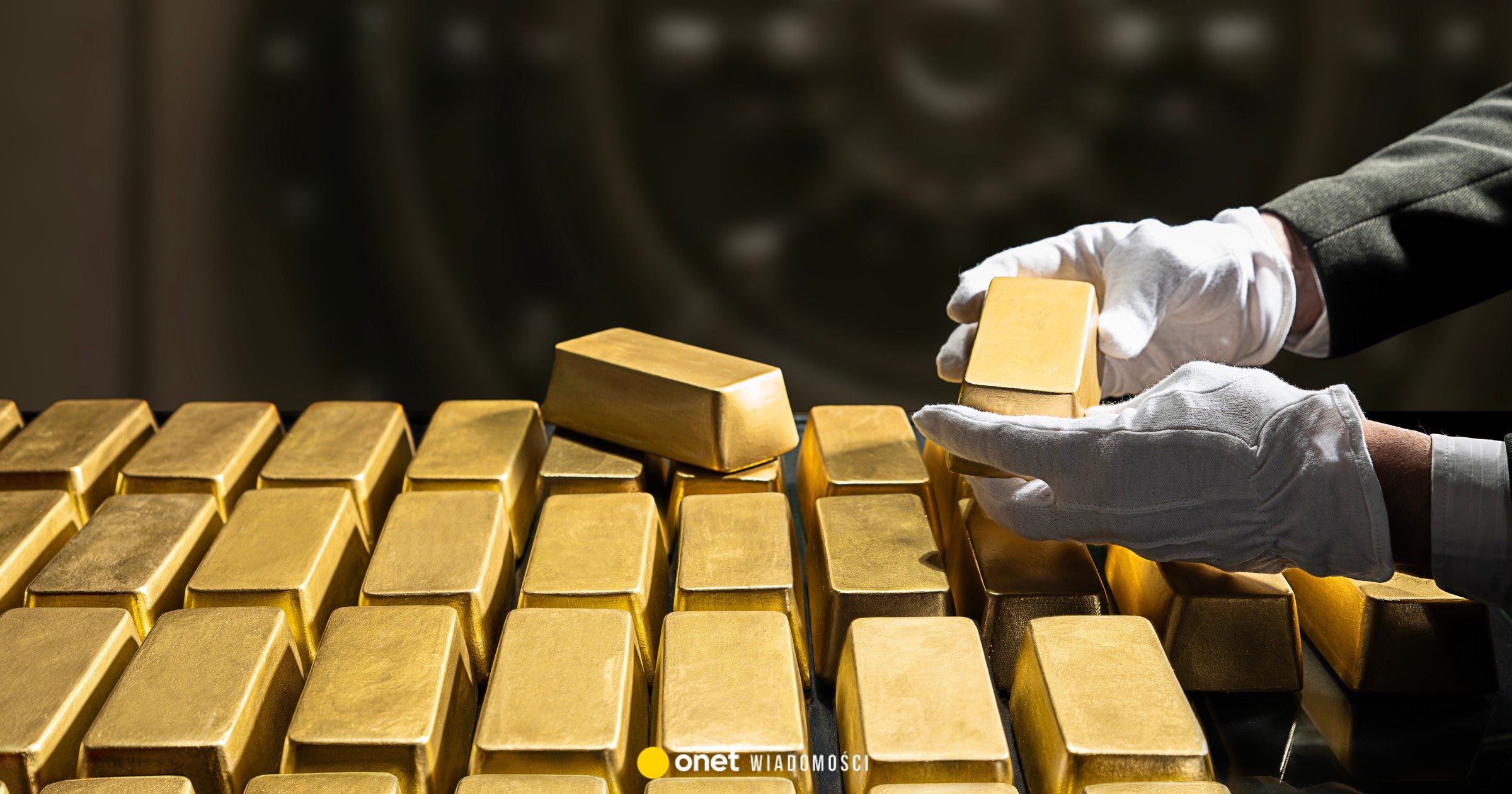
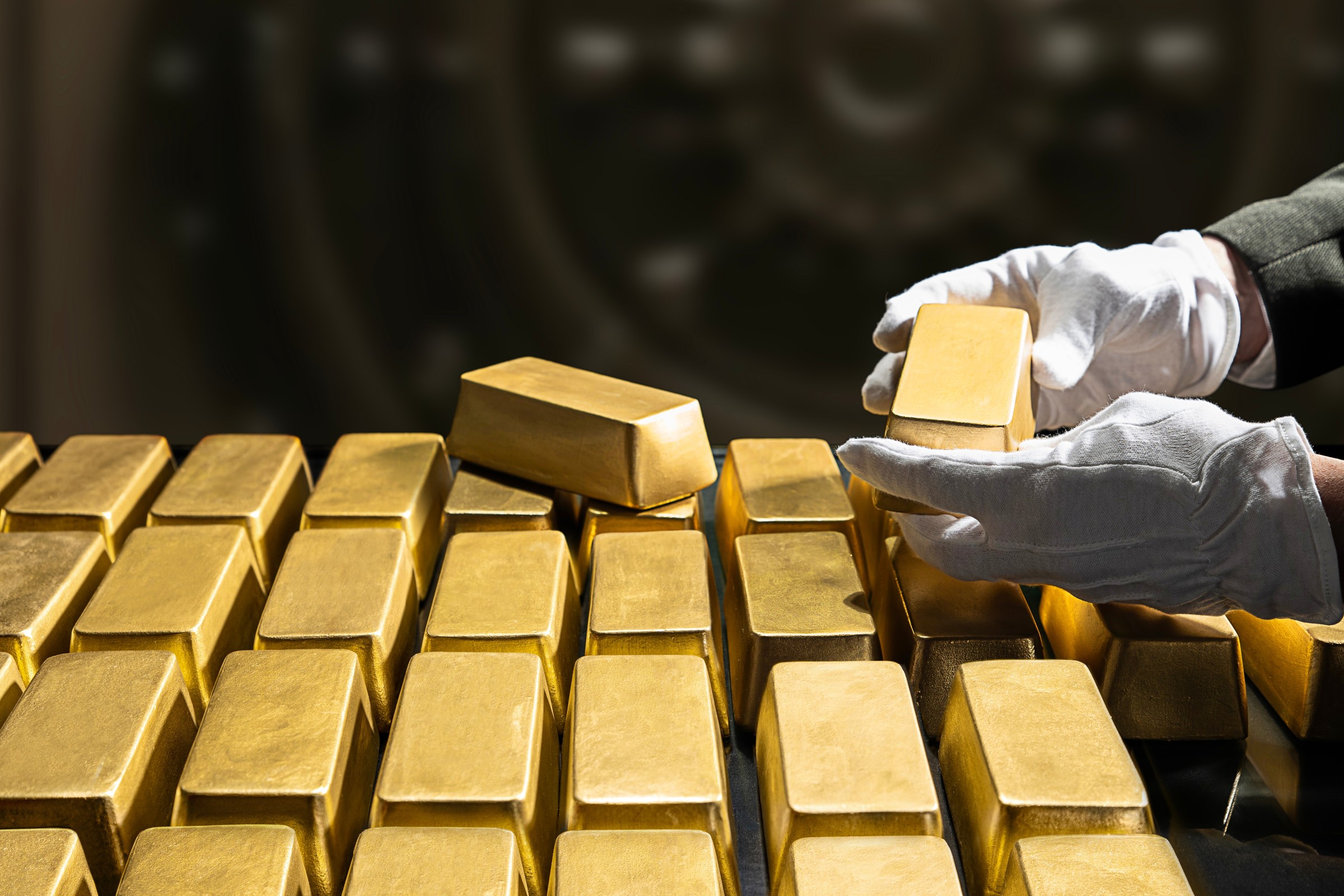
Last week ended with a sharp decline in the value of precious metals: on Friday, January 30, the price of silver fell by 36%. (daily all-time record), and gold – by over 9%. (such a decline has not been recorded for over 10 years). At the opening of the session on February 2, this trend continued. As a result, the gold price dropped to $4,400. (PLN 15.7 thousand) per ounce, even though it reached a historic record of $5,600 last week. (PLN 20,000).
As is usually the case in such cases, a number of factors contributed to the sudden change in investor sentiment. First of all, it should be noted that the price decline turned out to be so strong due to the no less strong increase in the value of precious metals in the previous months.
After Donald Trump returned to the White House, markets began to fear the instability caused by the US president and, in line with tradition, look for a “safe haven” in gold and silver. In an effort to reduce their dependence on the dollar, central banks around the world have begun buying precious metals, causing their value to rise. Investors were waiting for a signal that could break the upward trend in gold and silver prices – and they got it at the end of last week.
What was the signal?
It was Trump's appointment of Kevin Warsh as chairman of the United States Federal Reserve (Fed). The candidacy of an experienced financier, who was the youngest member of the Fed's Board of Governors in 2006–2011, became a factor that led to the collapse of gold and silver prices.
Warsh considers the fight against inflation to be the regulator's priority task – and in this respect he is not much different from the current president of the agency, Jerome Powell. The latter is constantly criticized by Trump for insufficiently reducing interest rates, which is crucial to stimulating economic growth.
Many Americans therefore expected the president to nominate a candidate with fundamentally different views on regulating the American economy as his successor. Although Warsh supports the head of state in his criticism of the current Federal Reserve's excessive caution, he is unlikely to take radical steps once Powell takes over. This reassured investors about the dollar's prospects. Previously, its value fell to the lowest level in four years, which was the result of Trump's threats to start a trade war with Europe over Greenland and with Canada over its partnership projects with China.
The dollar is strengthening and gold and silver are losing value?
Yes, that's how it works. The increase in precious metal prices resulted from the search for a reliable alternative to the American currency, and the strengthening of confidence in the dollar immediately triggered a sell-off in gold and silver. However, it cannot be said that the collapse, despite its depth, was a shock for the market. As Commerzbank analysts wrote in their note (quoted by Bloomberg), investors were waiting for an excuse to take profits after a sharp price increase – and Trump gave it to them.
Has anyone else made money from the crash in bullion prices?
Of course, as always happens in such situations. Speculators from China particularly benefited from this, as they started a “gold rush” to such an extent that the country experienced a shortage of physical bars.
As financier Sergei Romanchuk notes, precious metals “have become the main substitute for cryptocurrencies as a speculative instrument, and this is precisely what explains their currently observed record historical volatility.”
Are these price fluctuations beneficial for Russia?
In a symbolic way. As The Bell notes, the boom in the precious metals market brought Russia only “moral satisfaction in the form of an increase in the nominal value of gold reserves, which was partly »made up for the losses resulting from the freezing of assets [w ramach zachodnich sankcji]”In practice, however, the Kremlin is more afraid of another 5% drop in oil prices caused by the supposedly reduced risk of a US military attack on Iran.
What's next? Should we expect a trend reversal and a new price increase?
This cannot be ruled out. Strategically, the risk of global instability remains. After the “rebound” triggered by Warsh's nomination, precious metal prices may bottom out and start rising again. For example, Deutsche Bank analysts predict that in 2026, the price of gold may reach $6,000. (PLN 21.5 thousand) per ounce.
However, as financier Sergei Romanchuk writes in his article, “it is quite possible that the critical point has been exceeded, and the bubble [na rynku metali szlachetnych] after a failed attempt to reach new highs, it will begin to shrink.” In the long term, “a lot will depend on the position of central banks: whether they will start to reduce their gold reserves due to the loss of assets ensuring price stability, or whether they will stay with gold for lack of an alternative,” the expert concludes.