America is starting to treat large companies as a tool of the state: here there is pressure, there there is a threat, somewhere there is a condition “share the profits”. As journalists from “The Economist” note, as a result, globalization is hitting the brakes and capital is switching from the logic of the market to the logic of geopolitical clash. This means a world that is more expensive and less efficient – and therefore poorer. Supporters will say: “it's difficult, security costs money.” But this bill may be expensive, and Trump does not guarantee security to anyone.
January from “The Economist”Source: Onet
For much of modern history, large multinational corporations have operated hand in hand with the state. Britain and the Netherlands were financed by their East India Companies and in return received military and diplomatic support.
Germany's Krupp and Japan's Mitsubishi helped industrialize while their governments secured their access to mines and markets abroad. American interventions made it easier for oil companies to obtain raw materials abroad. But then, for some time – from the 1980s – governments took a step back and global corporations spread around the world without major restrictions.
Today, however, “gunboat capitalism” is back in play. When the heads of the world's largest companies gathered during the annual summit in Davos, one of the main topics of their talks was the shockingly deep interference of governments in their businesses conducted across borders. War has come to Europe again, and authoritarian China has begun to play harder and harder. Politicians are redrawing the map of global business, determining where corporations can operate and where they cannot. US President Donald Trump goes even further.
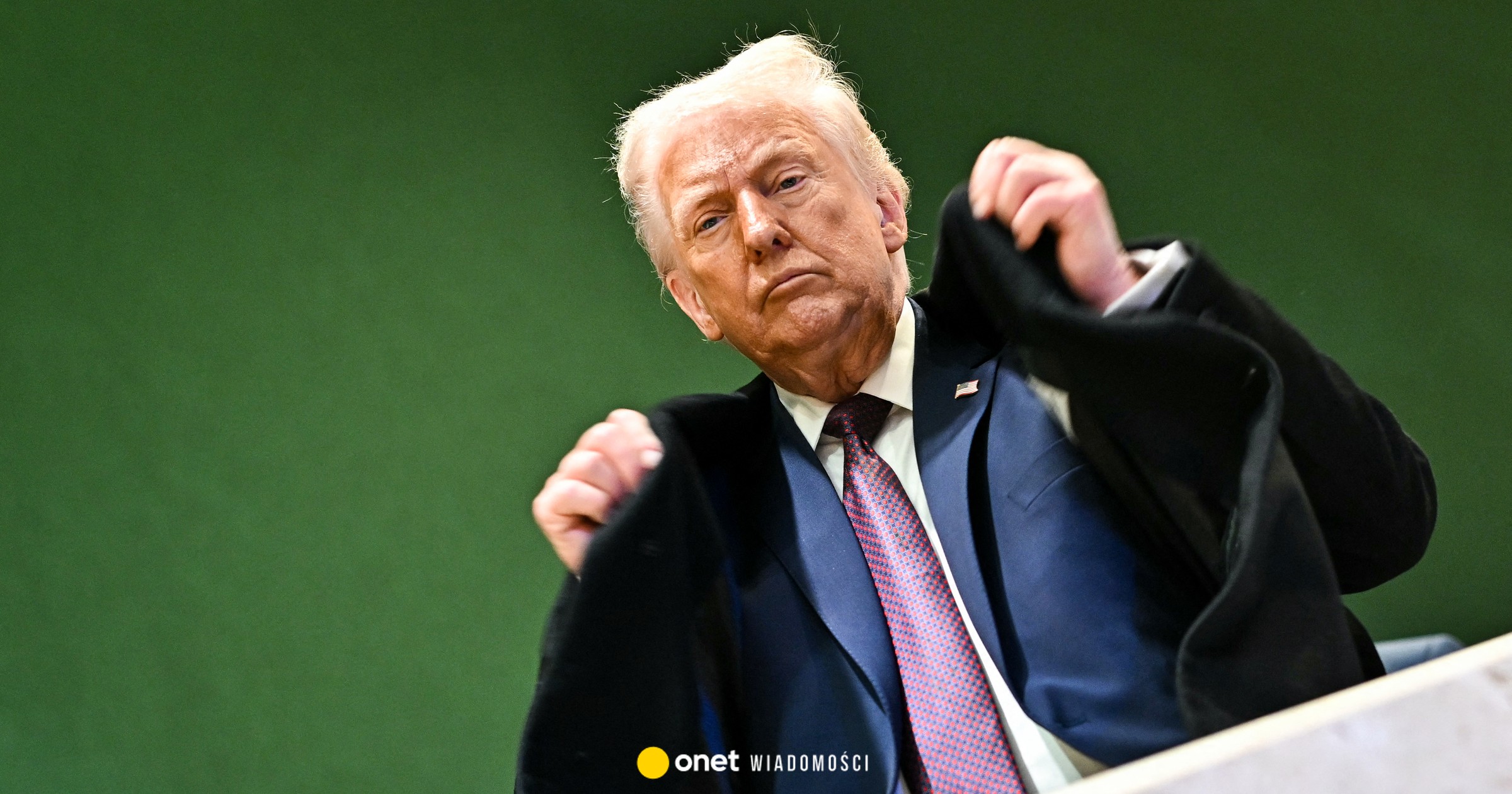
In his eyes, companies are a useful tool for strengthening the power of the state. He urged American oil magnates to return to Caracas, threatening them with hostile consequences. He pressured arms companies to stop buying back their own shares. And he demanded that technology companies selling advanced processors to China “share” part of the profits with his administration.
This return of state intervention will be destabilizing for Western multinational corporations — those that generate approximately USD 23 trillion annually. (approx. PLN 83 trillion) in sales, over USD 2 trillion. (approx. PLN 8 trillion) of profit and employ millions of people around the world. This means one thing: the world will become less prosperous — and not necessarily safer.
Business on the leash of politics
The changing geopolitical order is already setting Western corporations on new paths. Tariffs, subsidies and sanctions have redirected capital away from places like China and Russia towards home markets. In 2016, American corporations spent 44% on capital investments at home. resources; today it is 69 percent. Foreign sales decreased while domestic sales increased. The retreat is even more visible in industries considered “strategic” by governments, such as software, pharmaceuticals and automotive.
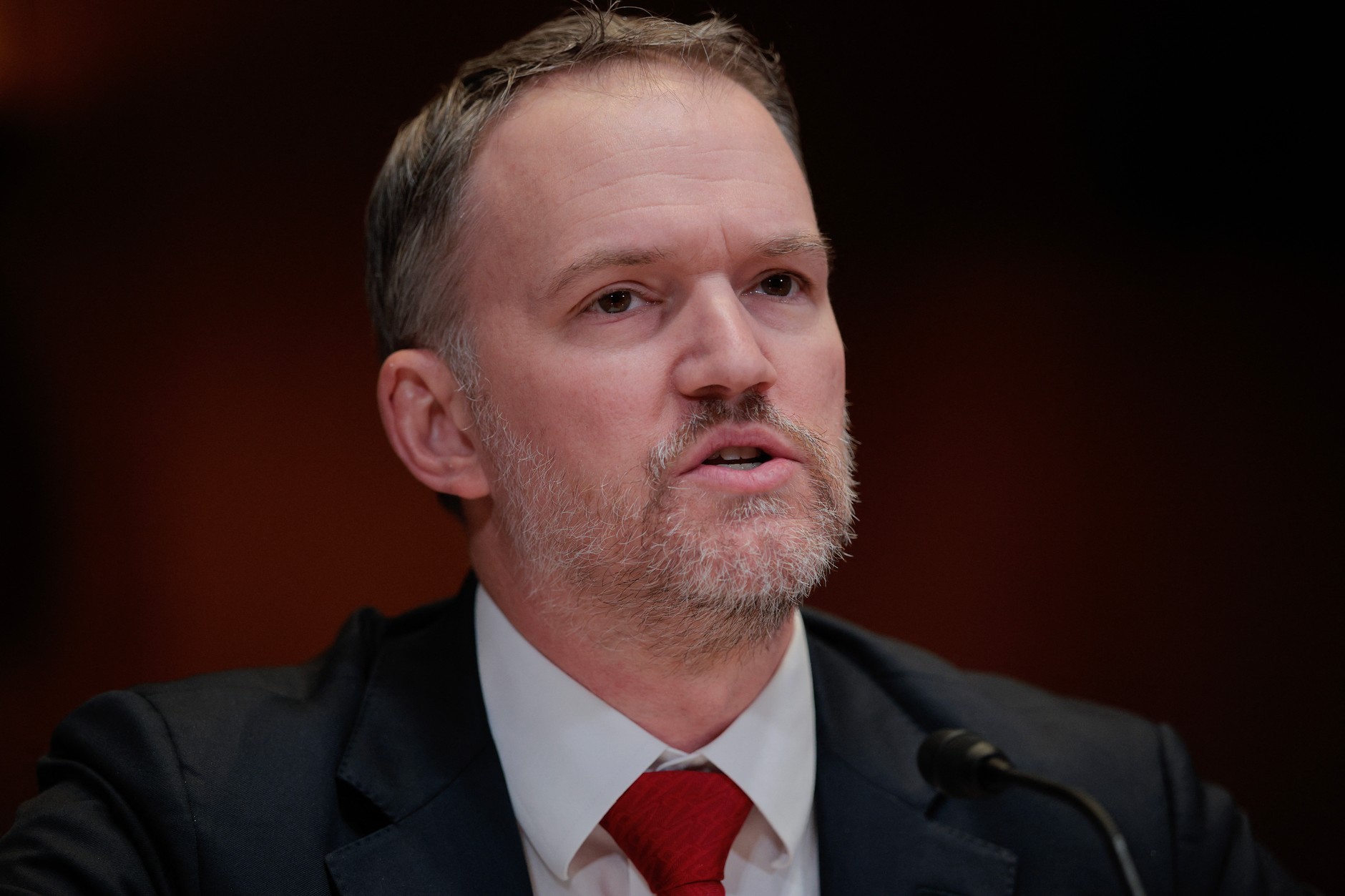
As Jamieson Greer, Trump's trade representative, said on Inside Geopolitics, “the golden years of globalization will not return“The future will likely bring even greater state involvement.
The pursuit of commercial profits was behind Trump's overthrow of Nicolas Maduro in Venezuela and is driving his attempts to broker a truce between Russia and Ukraine.
United States Trade Representative Jamieson Greer in Washington, U.S., December 9, 2025.Chip Somodevilla / POOL / EPA / Getty Images / AFP
At the same time, however, Trump ties business even more closely to the state. His administration took stakes in several mining companies and a failing chip manufacturer; and the national security strategy published last month declares that this will continue. The more America favors its own companies and punishes others, the more other countries will find it prudent to support their own companies.
What will the new world of “gunboat capitalism” bring?
Firstly, it will be more expensive and less effective. And this is more important today than before, because modern corporations are a much more important part of the economy. American global giants account for more than one-fifth of the country's private employment, two-fifths of physical investment and three-quarters of profits.
This scale comes from massive infrastructure that moves goods and information across the planet, making it easier to do business across borders—increasing returns for shareholders and lowering prices for consumers.
But when companies are forced to allocate capital along geopolitical lines, their productivity declines, and with it everyone's wealth.
It is already clear that international corporations are losing profitability compared to companies operating only locally. “The Economist” examined the return on invested capital of Western non-financial companies with sales above $10 billion. (approx. PLN 36 billion) in 2023 and 2024, in seven out of nine industries, the results of international corporations were worse than those of local rivals. In many areas, the gap between domestic and global companies has widened since 2018-2019.
Such high costs could still be accepted – if they actually translated into greater safety. As authoritarian regimes around the world become increasingly aggressive, democracies face an urgent need to increase defense spending. Similarly, a decline in chipmakers' profits could be a “price to swallow” if the embargo prevented an adversary from making a technological leap that would give it a clear military advantage.
The key is to intervene wisely. But Trump's approach has serious flaws. First of all, it focuses on the wrong sources of power.
Commercial power no longer relies on access to the largest possible resources of oil or other raw materials. Today, innovation and intangible capital are decisive — they push the boundaries of technology and make products irreplaceable for consumers. Meanwhile, Trump, waging war on science and immigration, is undermining the foundations of innovation.
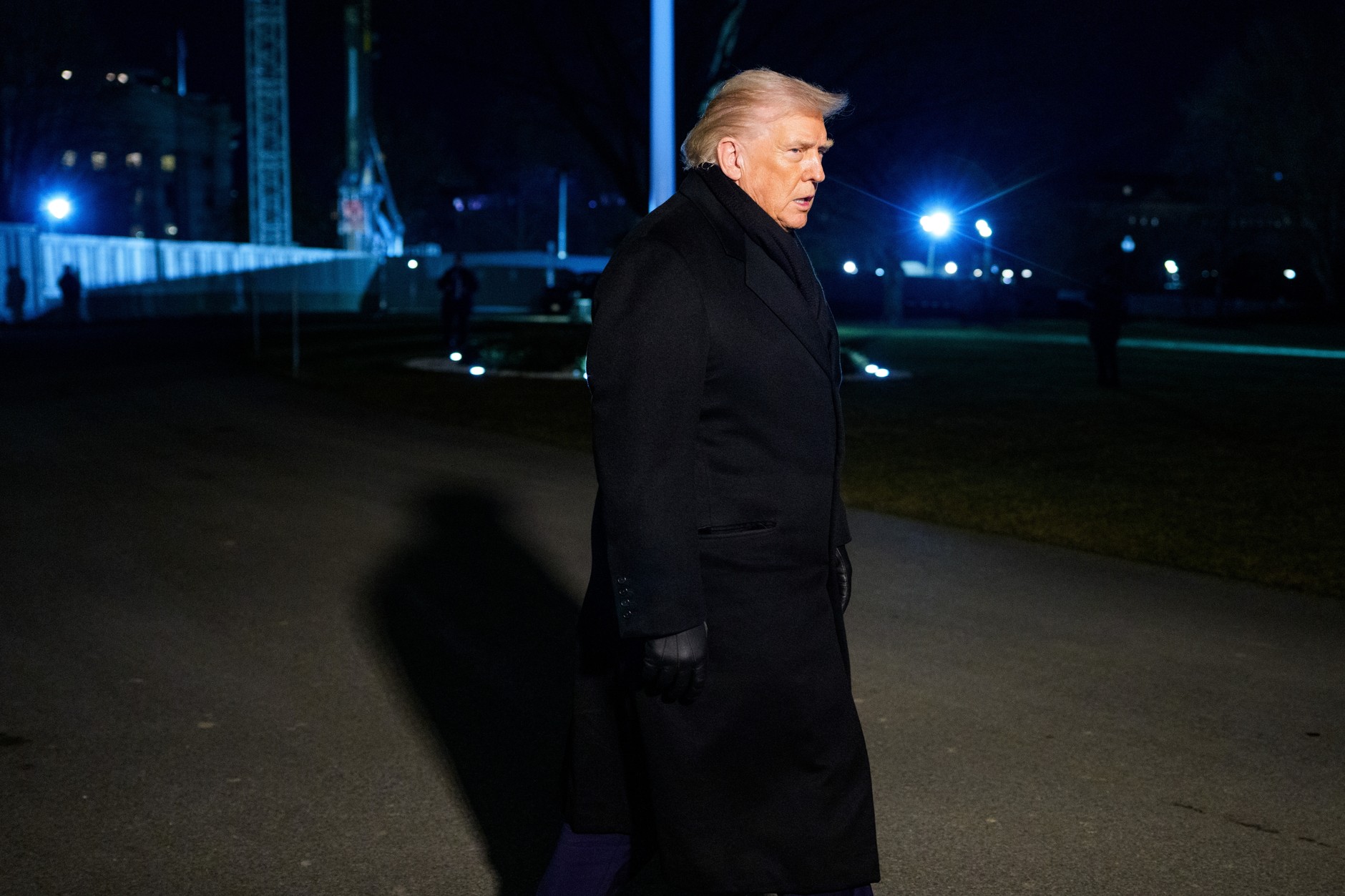
United States President Donald Trump in Washington, U.S., January 20, 2026.PAP/EPA/AARON SCHWARTZ / POOL / PAP
What's worse, the intervention is chaotic — and it appears to be deliberate chaos. US policy on semiconductor sales to China veers one way and the other, depending on who happens to have the president's ear. There is a risk that any decision will become susceptible to lobbying – if not outright corruption. And because uncertainty gives the administration what it wants most – maximum leverage – business is unable to plan sensibly.
More gunboats, less butter
Given the president's proclivities, it's hard to expect the Trump administration to fix these problems. So a deeper question remains: whether other governments could do it better – whether efficient “gunboat capitalism” could even become an element of any country's competitive advantage.
The article continues below the video
The Econimist remains skeptical — and not just because America has overwhelming military superiority.
As the golden age of globalization fades, it is worth remembering a simple lesson: governments create rents; rents distort the market; and a distorted market impoverishes countries and deprives people of entrepreneurship.
“Gunboat capitalism” tempts with the promise of prosperity and security at the same time. In practice, it will bring neither one nor the other.
I’m Ashley Davis as an editor, I’m committed to upholding the highest standards of integrity and accuracy in every piece we publish. My work is driven by curiosity, a passion for truth, and a belief that journalism plays a crucial role in shaping public discourse. I strive to tell stories that not only inform but also inspire action and conversation.