
The era of coal is coming to an end in the EU – Romania is making great progress in solar energy, but some obstacles remain

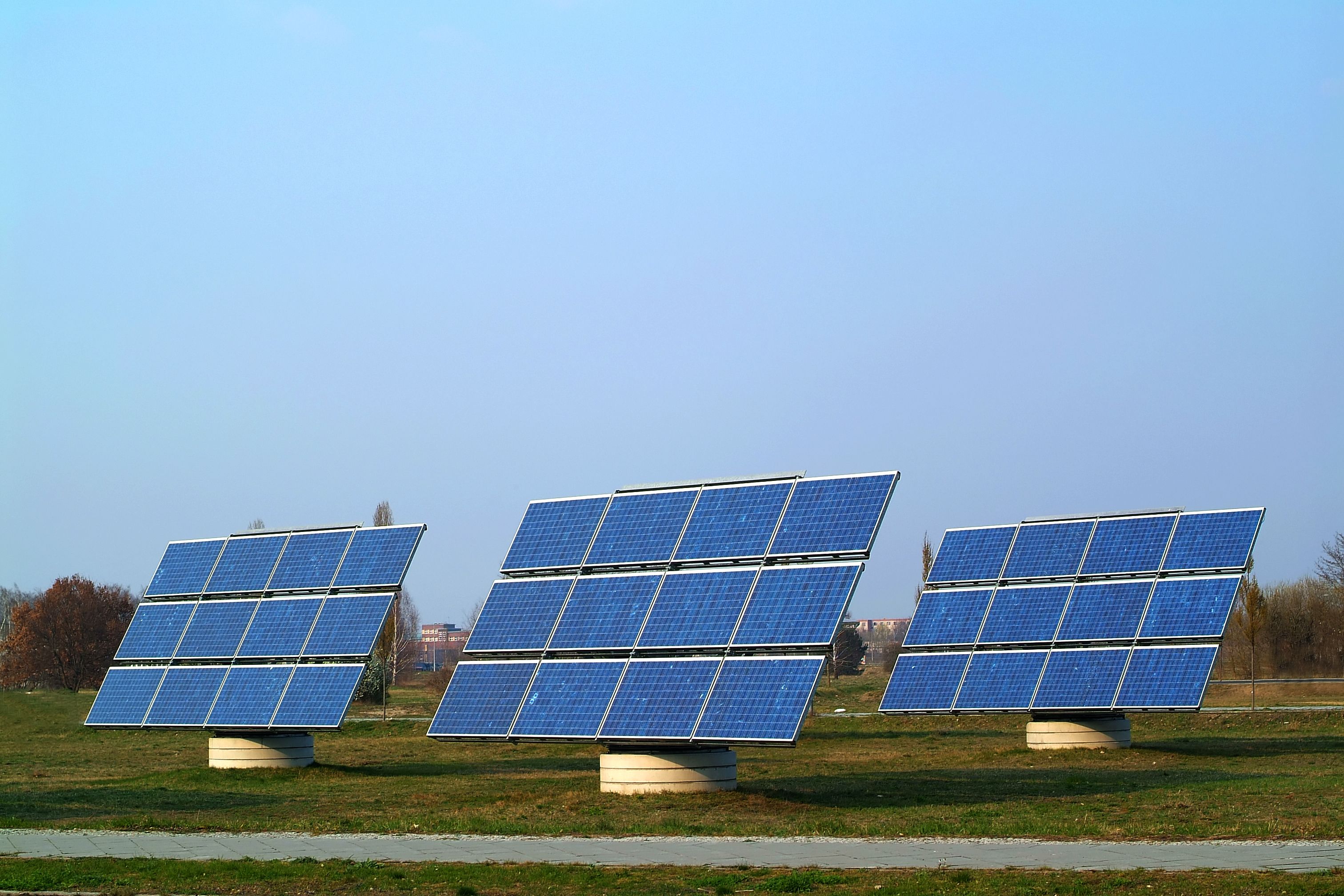
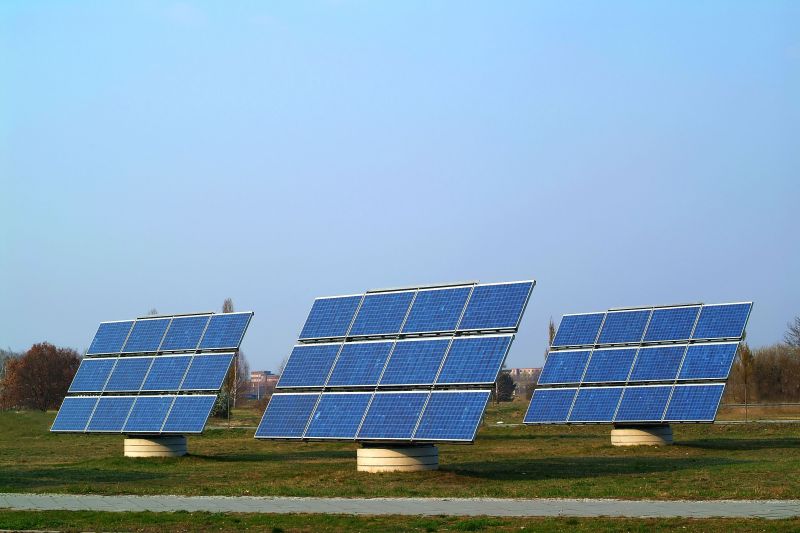
Solar panels (photo Tobias Machhaus, Dreamstime.com)
Solar power has grown rapidly, coal has fallen to an all-time low and natural gas remains on a downward trend, according to a report that looks at the EU energy market and the changes that have taken place. In Romania, progress is visible especially in solar, but integration is hampered by networks, slow authorizations and insufficient storage capacities, according to the Ember 2026 report which was analyzed by InfoClima.ro. .
Important change in the energy transition in the EU
The EMBER 2026 report shows that in 2025 the EU reached a historic milestone: electricity production from wind and solar sources surpassed fossil fuels for the first time, with renewables providing almost half of the energy mix.
The age of coal is coming to an end. In 2025, coal-fired electricity production has fallen to 257 TWh. The level marks a new historical low, below that of 2024, while in 2015, production reached 705 TWh, the analysis says.
19 member states had a share of coal below 5% in the energy mix. Germany and Poland were the countries that concentrated more than 74% of the European Union's coal electricity production. The rest of the states have accelerated the process of using this source.
Solar energy is increasing in Romania, but problems remain
For Romania, the data of the Ember report shows an obvious progress, but insufficient compared to the potential. Solar energy is constantly growing, both in production and as a share of the energy mix. Technology costs are no longer a barrier. The main constraints remain the limited capacity of the networks, the slow pace of authorizations and the lack of large-scale storage solutions, even if the Romanian authorities have constantly emphasized the support of this segment, it is mentioned in the analysis signed by Alexandru Ciocan.
Romania is competitive due to the high solar radiation and the availability of surfaces. Investor interest remains high. A major challenge remains in the way the state manages state aid schemes. Uncertainty and frequent changes can limit the interest of private investment.
The next step is integration, it is mentioned in the analysis of InfoClima.ro. Solar expansion must be matched by accelerated investment in grids, batteries and demand flexibility. Without these elements, the cheap energy produced at noon will not be reflected in lower prices in the evening, especially since at the national level the prosumer sector has developed rapidly, with over 1 GW installed in 2025 alone.
What is the situation in Romania for gas and coal
Although the trend is obvious, Romania faces an increased interest in the development of gas power plants, based on the available domestic resources. Here comes a policy inconsistency. Romania continues to promote investments in this sector, but at the same time claims that, in the western states, with a greater share of renewables, energy prices are significantly lower. The question of economic sustainability remains open.
Gas plants will operate fewer and fewer hours, especially during peak periods. Fuel costs, emission allowances and market volatility, including a potential long-term hydrogen integration, raise questions about the viability of these investments in the medium and long term.
Regarding coal, Romania has assumed the objective of a complete exit from coal-based energy production by the horizon of 2032. Delays in the development of gas plants at the Oltenia Energy Complex, together with the slow pace of investments in renewable sources and an insufficiently developed interconnection infrastructure, have determined the request to extend the operation of some groups scheduled for closure in 2025.
The authorities justified this decision by considerations of energy security and system adequacy. The measure temporarily maintains coal-fired production in the energy mix, but prolongs the exposure to high costs, the price of emission certificates and risks of non-compliance with the assumed climate objectives. In the medium term, coal plants remain economically unsustainable. Their operation will become increasingly difficult in a market dominated by renewable energy, flexibility and storage solutions.
Photo source: Dreamstime.com


