The city revitalized by the construction of highways. Investments of hundreds of millions of euros have arrived in Sebeș

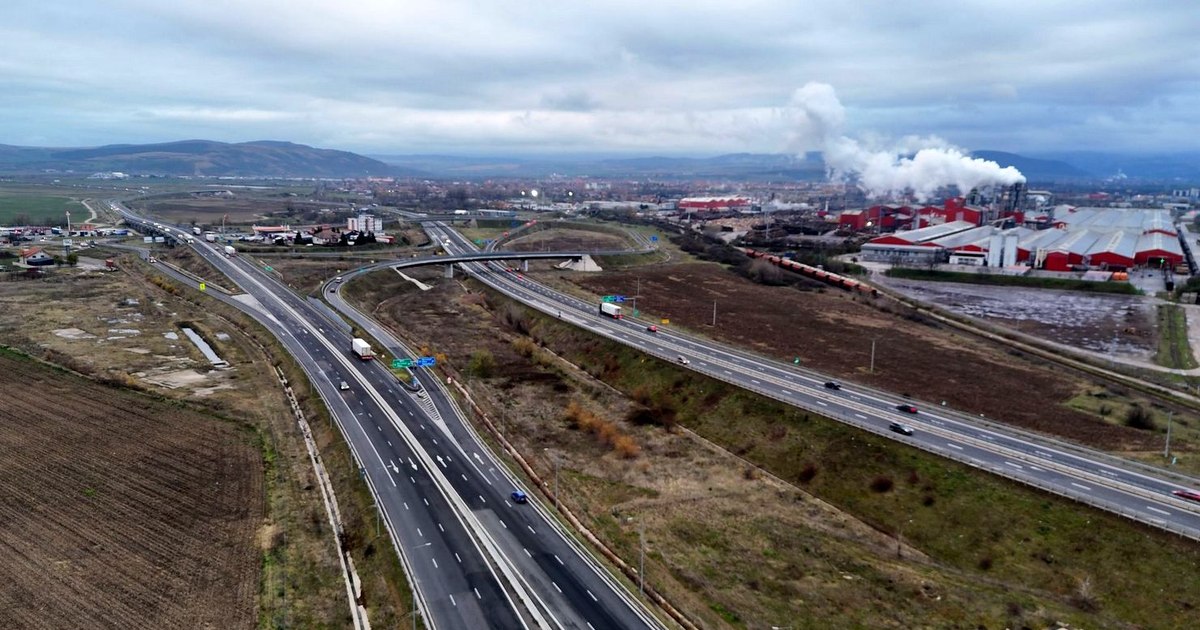
Sebeș, a city with less than 27,000 inhabitants, in the vicinity of the municipality of Alba Iulia, took full advantage of its strategic position, at the crossroads of important highways. The investments attracted here are impressive and have solved the jobs problem.
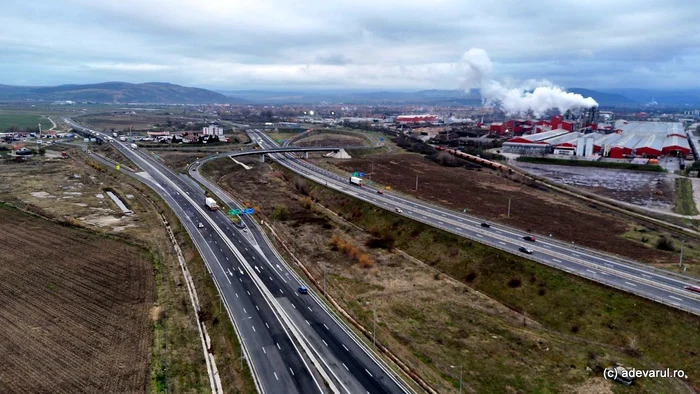
Sebeș node. Photo by Daniel Guță. TRUTH
Communication highways have over time had a decisive role in the destiny of human settlements. When the old trade routes ceased to be used or were replaced by better routes, the fate of the cities they passed through was often sealed.
Sebeș, highway crossroads
At the same time, the emergence of new transport routes gave other settlements the opportunity to be reborn. The highway interchange in Sebeș has contributed decisively to the economic development of the area in recent years.
Located 15 kilometers from Alba Iulia and 60 kilometers from Sibiu, the municipality of Sebeș (Alba county), with approximately 27,000 inhabitants, was for many years after 1990 a transit town on National Road 7 (Arad – Sibiu – Oltului Valley – Bucharest), where the nerves of many drivers were stretched to the maximum due to congestion and traffic jams. The European road crossed the center of the city, and in some peak periods drivers waited tens of minutes and even hours to pass Sebeș.
Two highways have been built around the city in recent years and have brought radical transformations to its economy, even if they have not completely solved the problems related to road traffic in the central area of Sebeș.
Since 2014, the city of Sebeș has been crossed by the A1 Highway, with the completion of the Orăștie – Sebeș section. The highway connects the cities of western and central Romania and, with the completion of the Sibiu-Pitesti Highway, will connect the historical regions of Transylvania and Banat to the capital.
In 2021, the A10 Sebeș – Turda Highway (also called the Apusenilor Highway) was completed, and also then the Sebeș road junction, which connects the two highways, was fully put into use. The highway section connects the central Romanian cities of Cluj-Napoca and Târgu Mureș and will continue to the northwest, with the construction of the A3 (Transylvania) Cluj-Napoca – Oradea Highway, and to the northeast, with the construction of the Unirii Highway (A8) Târgu Mureș – Iași.
The highway interchange that revitalized the economy
The highway interchange in Sebeș is about five kilometers long and includes three large crossings over the current A1 highway, two crossings over the railway in the area and a crossing over the Sebeș River and DN1/E81, in the Lancram area. In recent years, large areas of land in its vicinity have been occupied by industrial zones, and Sebeșul has taken full advantage of these investments.
Approximately 1,500 people work at the Star Assembly Sebeș auto parts factory, part of the Mercedes-Benz AG group, present in Sebeș for 13 years. Recently, the representatives of the company announced an investment of 100 million euros in a new assembly line of propulsion units for a new model of the brand.
“When on the territory of a locality we have a large factory, which has employees who all have employment contracts and who are paid good wages, that means development, that means income for the local budget. From there you can make a hospital that looks better, a school that looks better, better conditions for people – and that's what the public-local partnership means”said Prime Minister Ilie Bolojan, invited in October 2025, to the launch of the new production line in Sebeș.
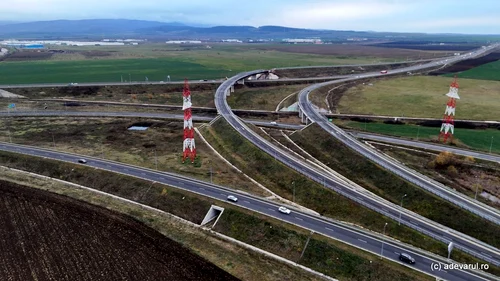
Image 1/10:
Sebeș highway interchange Photo Daniel Guță THE TRUTH (5) jpg
According to the Targetare online platform, which includes databases and information about companies in Romania, there are almost 1,000 companies and about 9,000 employees in Sebeș, that is, about a third of the municipality's population. Along with the car factory, the companies of the Kronospan (Timber) group, in the wood processing and transport industry, as well as the Alpin ice cream factory, have also brought hundreds of jobs to the area. On the outskirts of the municipality, other lands are currently occupied by open construction sites for the construction of new factories and warehouses.
The old city center remained crowded and less changed than the areas near the freeways. Here, travelers find a small square surrounded by period buildings and houses with architecture specific to the old Saxon community, today extremely reduced. The medieval evangelical church, old from the 13th century, dominates the central area, bordered by the remains of the old fortress of Sebeș.
The city of Sebeș, from the time of the Saxons
Sebeș was one of the old settlements of the Transylvania region, having been attested as a city (civitas) since 1345. Its long history was marked by many disturbing events, and the walls and towers of the medieval fortress and the old churches preserved legends about the dramatic episodes that took place here.
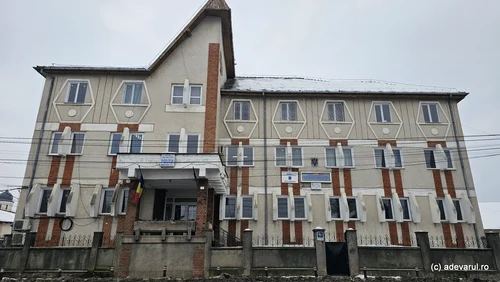
Image 1/19:
The city of Sebeș, yearbook 2026 Photo Daniel Guță THE TRUTH (27) jpg
The city was founded by Saxons who moved to Transylvania in the 12th century, when the kings of Hungary colonized Germanic communities in the south of the region to defend the kingdom's borders and develop trade. The settlement, known in the Middle Ages as Mühlbach, prospered due to its strategic position, at the crossroads between Alba Iulia, Sibiu and Orăștie.
In other eras, Sebeș was on the verge of extinction, being besieged and almost destroyed several times, by the Mongols and Turks, and hit by epidemics. The former medieval fair, inhabited by Romanians and Saxons, developed at the beginning of the 20th century, when the electrical plant, the new town hall, the post office, the communal bath, the barracks, the hospital and the House of the Forests were built.
The wood processing plant, from the 60s
In the 1950s, Sebeș had about 12,000 inhabitants and an economy supported by small sawmills, tannery and hosiery factories, as well as a forestry enterprise. In the following decades, the city expanded around the old center, dominated by the medieval Evangelical and Roman Catholic churches.
At the end of the 60s, the wood processing plant was built, which obtained its raw material from the vast forests of the nearby Șureanu and Apuseni Mountains. Starting from the 70s, the Sebeș valley, upstream of the city, was developed for hydropower, with four hydropower plants being built at Gâlceag, Șugag, Săsciori and Petrești, with an installed power of about 342 MW. In the same area, until the end of the 2000s, two more microhydropower plants were built, at Obrejii de Căpâlna and Cugir. The construction of highways gave a new impetus to the city's economy, facilitating the attraction of important investments.
Together with the hydropower installations, the Transalpina was also modernized, a road of almost 150 kilometers, established in the 1930s, which starts from Sebeș, climbs the Sebeș Valley and crosses the Carpathians through the Parâng Mountains, where it reaches an elevation of 2,145 meters, in the Urdele Pass. Currently, Transalpina is among the tourist attractions near Sebeș, a city that remains, for most of the travelers, mostly a transit point.