Correspondence from the Vatican. “I am a sinner. This is my most precise definition,” said Pope Francis

Tens of thousands of people stand in line to say goodbye to Pope Francis. It is the last day I can do this, before the Saturday funerals for the Pontiff who drove the Catholic Church for 12 years and became known as “Pope of the Poor”.
- “Do not forget about the poor,” the Pope recalled that one of the cardinals told him, when, at the counter in Conclav, the necessary votes were reached to be chosen. Today, these poor, a broader and no depreciative term in the civilized world, came to introduce them to Pope Francis, ceased a few days ago, at 88 years ago.
Pope Francis visited more than 60 countries during his pontificate, but his “chair fortress” was Rome, the only city of the world in which two stories overlap. The metropolis was the ancient capital of the Roman Empire, one of the greatest empires that the man has ever raised. And today, Rome is the center of the “silent empire”, the focal point of 1.4 billion Catholic believers.
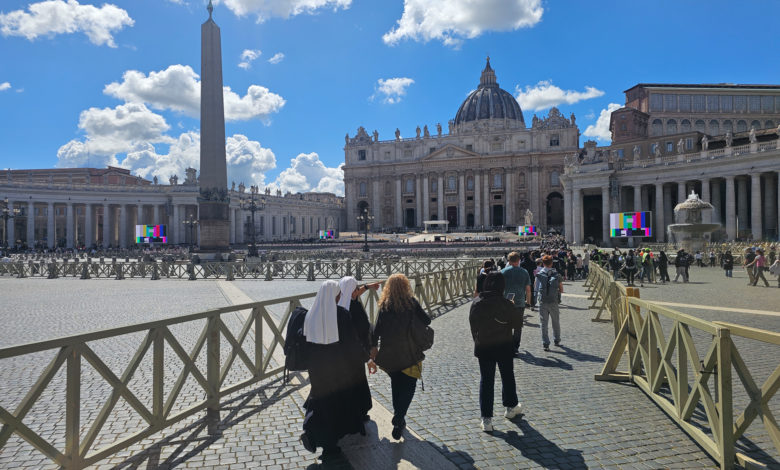
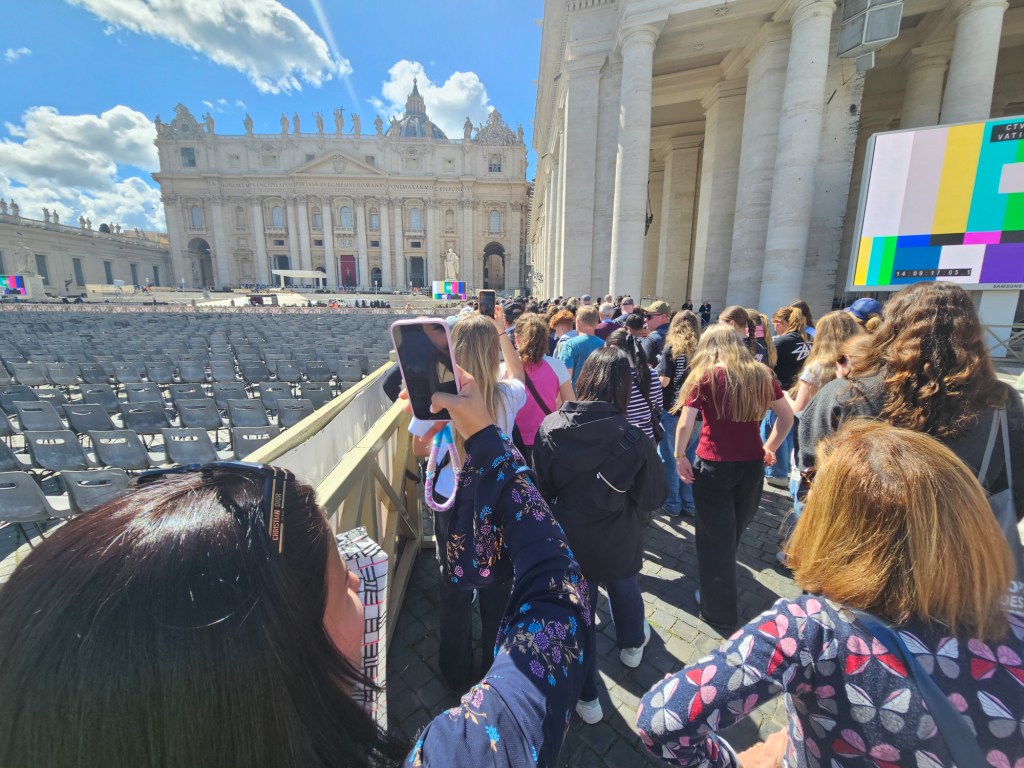
I am in Saint Peter Square and I am heading to the basilica, where the coffin with the body of the Pontifical Sovereign is exposed, to rediscover the one who was called “Pope of the Poor”.
“The separation is so difficult”
“I love him, maybe that's why the separation is so difficult,” confesses Sebastian, a 30 -year -old from France. He came alone here. As in a private pilgrimage. Near him, a family pilgrimage or a community pilgrimage.
After passing the coffin of Pope Francis, they rest among the imposing columns, pray, laugh and are glad they are together. Some have identification scarves, others are organized by a flag guide, many wear white Roman collar.
Tens of thousands of people came daily to Saint Peter Square, on Wednesday, when Pope Francis's body was brought to the Basilica Standul Peter.
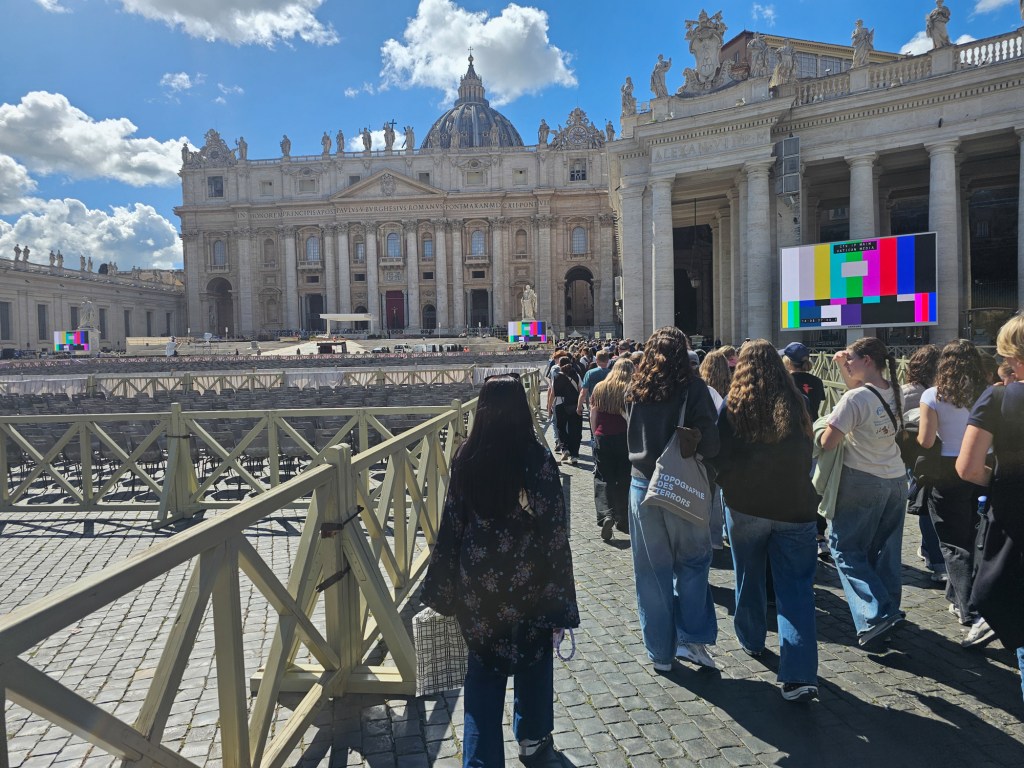
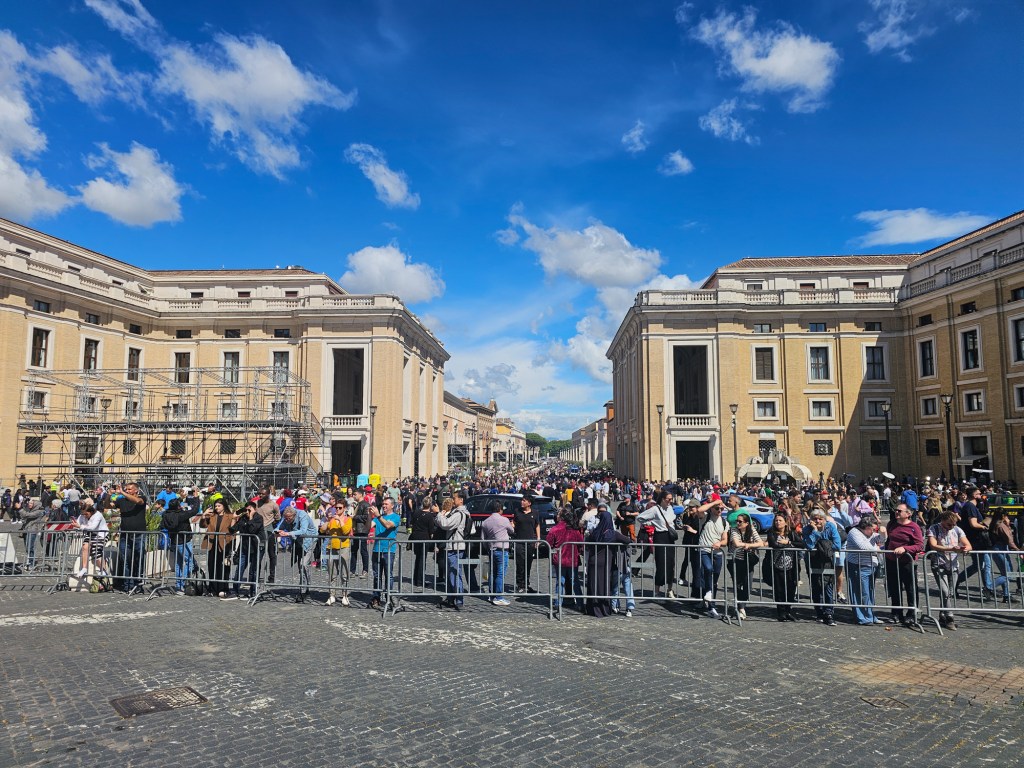
The tail until the tense was reinforced formed, on tens of meters, in the circle arc, around the market obelisk, beside the columns. Further, Via Della Concilizione, in front of Saint Peter's Market, thousands of people are waiting to join the crowd.
If they passed the two security filters, the pilgrims came to the attention of the volunteers, who place them in a row. No one is in a hurry, as if the Pope will wait for everyone.
On page 105 of his autobiography, “hopes”, the Pope wrote: “Tradition is not a museum, it is the guarantee of the future. The idea of always returning to the ashes is the nostalgia of the fundamentalists, but this must not be the true meaning of the word: Tradition is a root, indispensable for the tree to bear new.”
A pope between the worlds
Everywhere, phones. Picture with St. Peter's basilica, tail picture, picture once again, selfie, group selfie. The moments of national privilege thus reach the phone screens around the world.
“Today we do not live so much of the change, as a change of era,” said Pope Francis to the Italian bishops and laity at the fifth national convention of the Italian Church, on November 10, 2015.
Too progressive for some, excessively conservative for others. The first Jesuit Pope, the first American pope, the first pope with the name of Francis or the first to speak at the TED conferences.
“I am a sinner. This is the most precise definition. It is not a style figure, a literary genre. I am a sinner,” he told a Jesuit priest.
For 12 years, as long as his pontificate lasted, Pope Francis was an inspiration for the 1.4 billion Catholics he guided. He often sought to bring a note of humility in his great function.
He avoided the traditional fast of the Vatican and opted for simpler rituals even when he made plans for his funeral and funeral:
“In the ground, simple, without special decorations” and with the inscription only of his papal name in Latin: Franciscus, as he left in the will.
It will be buried in the basilica of Santa Maria Maggiore, one of the main four churches of Christianity in Rome. The funeral will take place on Saturday, in Saint Peter Square, in front of the church where most of its predecessors rest.
“Thank you, Francis”
In the middle of the set ordered in the semicircle, the seats for invitations were already placed on Saturday. It is the place where Pope Francis spoke the first words from the Logia of St. Peter's basil, after his choice with Pontiff, on March 13, 2013. It was a simple, human greeting: “Brothers and sisters, good evening!”.
“We have greeted because these little words that we can only pay attention to means to declare our care and, finally, the love for the other. […] It's a commitment, not an empty formula. We are here, on this earth, brothers and sisters, and we all need salvation ”, writes the former bishop of Rome in his autobiography, recalling the first speech as the Catholic Church.
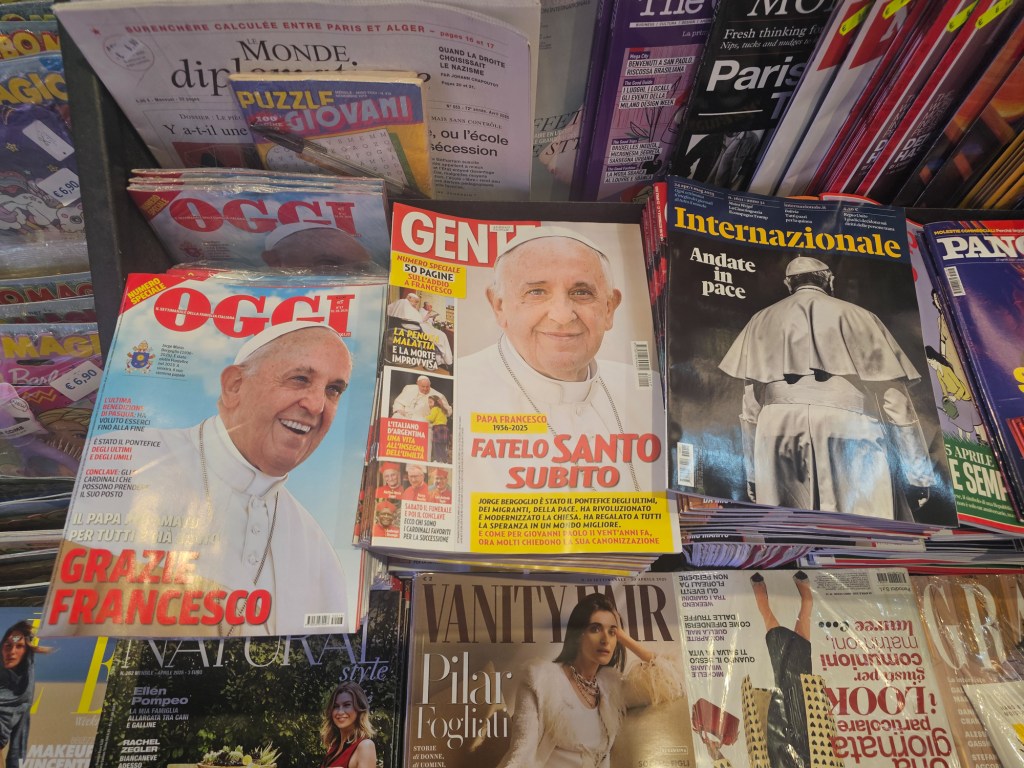
“Thank you, Francis”, “Holy Brother Immediately”, “Go in peace”. They are the titles on the first page of the Italian magazines. “The Italian from Argentina. A life under the flag of humiliation” is one of the titles of articles.
For the Argentine cardinal Jorge Mario Bergoglio, his first steps as a pope were surprising. He wanted to say “Francis”, in honor of Saint Francis of Assisi, a soldier from the 12th century, who founded the Franciscan order and lived in poverty, being known for the protection granted to animals and the environment.
“When the votes reached two-thirds, they were the usual applause, because the Pope had been chosen. He hugged me and kissed me and said,” Don't forget the poor! “ journalists on March 16, 2013about how Cardinal Claudio Hummes gave him the idea of choosing the name Francis. He chose this name because he wanted “a poor and poor church”, as he would say in the same dialogue.
There were advantages that he refused from the beginning: he chose to live in a small apartment instead of the Vatican Palace and move with a five-year-old Ford Focus. Then, his gestures entered this logic of modesty: the payment of his own hotel invoice, the call on his own to cancel a newspaper subscription, the officiating of the holy Thursday in a young prison.
“The thing that the Church has the most need today is the ability to heal the wounds. I see the church like a campaign hospital,” said in September 2013, in an interview for To the civilian civil.
“Who am I to judge?”
Pope Francis hoped that his example of merciful will be able to change the world. “A little pity makes the world less cold and more straight,” said Angelus in the first prayer of March 17, 2013.
He said that God is “closeness, mercy and tenderness.” And then another word: hope.
“The future has a name, and its name is hope,” he said on April 26, 2017in a message that urged solidarity, in the first TED conference that a pope ever spoke to.
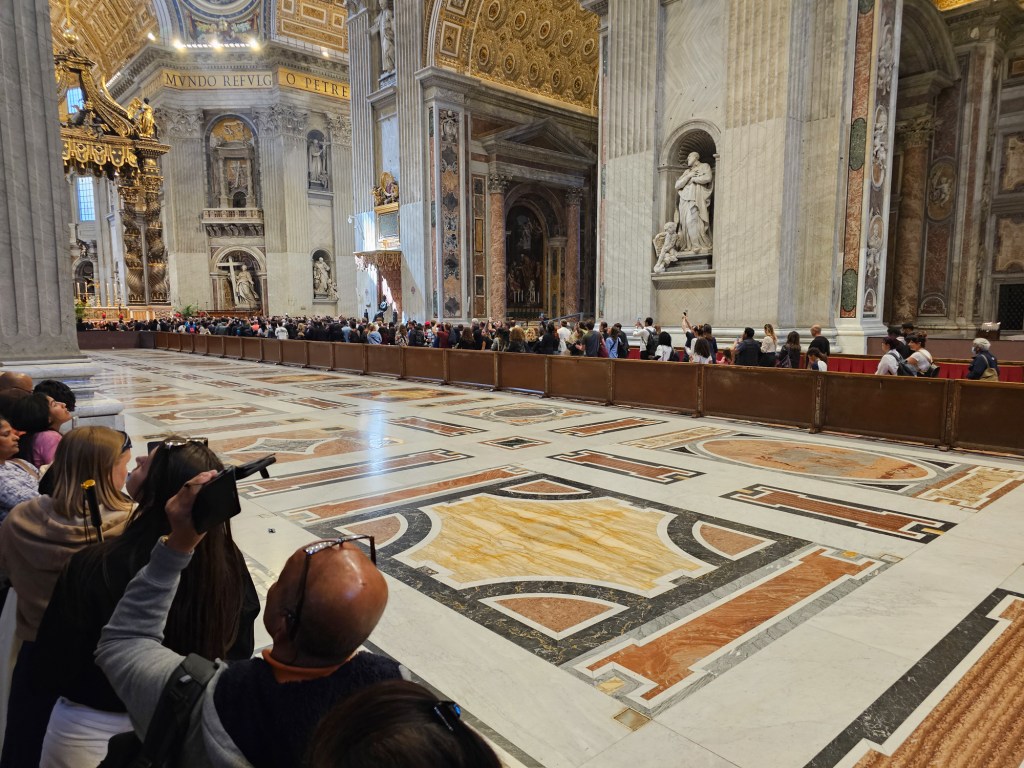
In the series of people waiting to see their spiritual leader for the last time, nationality becomes secondary. “Poor people” are everywhere, regardless of the country's GDP. What does the lack of hope mean, something other than poverty? We all lack hope, we are all, in many ways, poor.
It is a choreography of the common sense that does not take into account the language, color or political preferences. Pope Francis called him all, whether they are gay, divorced or remarried.
“Who am I to judge”-this statement, made in a plane that was returning from Brazil, made the world around.
“Fragile and disoriented, but at the same time, important and necessary”
Theological decisions were followed by the inclusion of divorced and remarried people among those who can receive the Eucharist-a measure interpreted by some as a weakening of traditional moral rigor.
For the former bishop of Rome, the meeting between people was not only a joy, but also a need.
“We realized that we are on the same boat, with all fragile and disoriented, but at the same time, important and necessary, all called to rush together, each of us needing the other's relief,” he said in a prayer to cease the coronavirus pandemic in St. Peter's Square, March 27, 2020.
In front of Pope Francis
The feet of Jesus on the bas -reliefs of the entrance gates in the basilica shine. It is not a metaphor, they shine after tens of thousands of hands that are ritually seeking the blessing of the Lord, before making the sign of the cross.
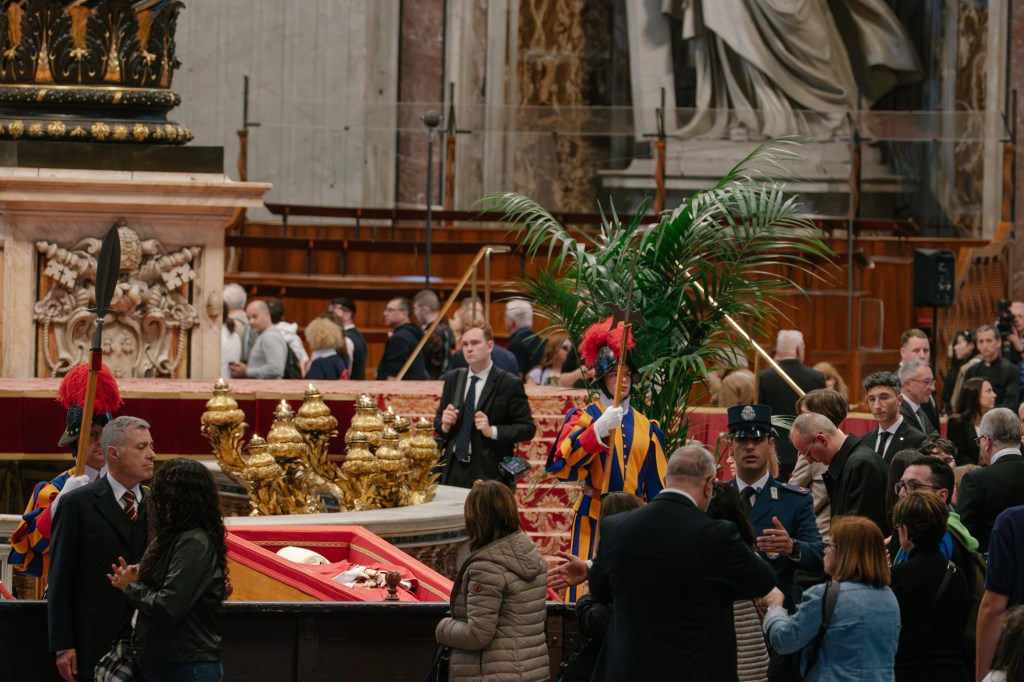
Many of the pilgrims are directing directly, with their heads to the ground, to the altar in the basilica, where the pope's body is deposited. “No Photo”, repeats them in the volunteers of those who have not yet separated from phones.
There is no time to stand in front of the coffin. The crowd does not stop. He passes through the face of the catapult, he crosses and continues his way to the exit. So much. Any time spent by someone is one spent in minus by someone else.
Magnets with Pope
Rome was not prepared for these days, as the world was not prepared. A few steps around the Vatican are enough for Rome to expose its metropolis, the debris left by the streets on the street and the improvised decorations by the souvenir sellers.
From the loggia in Saint Peter's Basilica, Pope Francis smiles at people on fridge magnets, cups, key chairs or calendars.
At a short distance from the Vatican, the sad sentiment from the funeral is scattered. It reminds me of the joy of being a Christian that Pope Francis was talking about.
“Without this joy, faith shrinks in an oppressive and diligent thing; saints are not” sour “, but men and women with happy hearts, open to hope,” he said in October 2022 Pope Francis.
Hopeless, we are poor in the hardest sense. Not at all, by chance his last book, autobiography, it is called, “hopes”.