A city of the future will be built on the ruins of an airport inaugurated 100 years ago and used by Bombardier Aviation

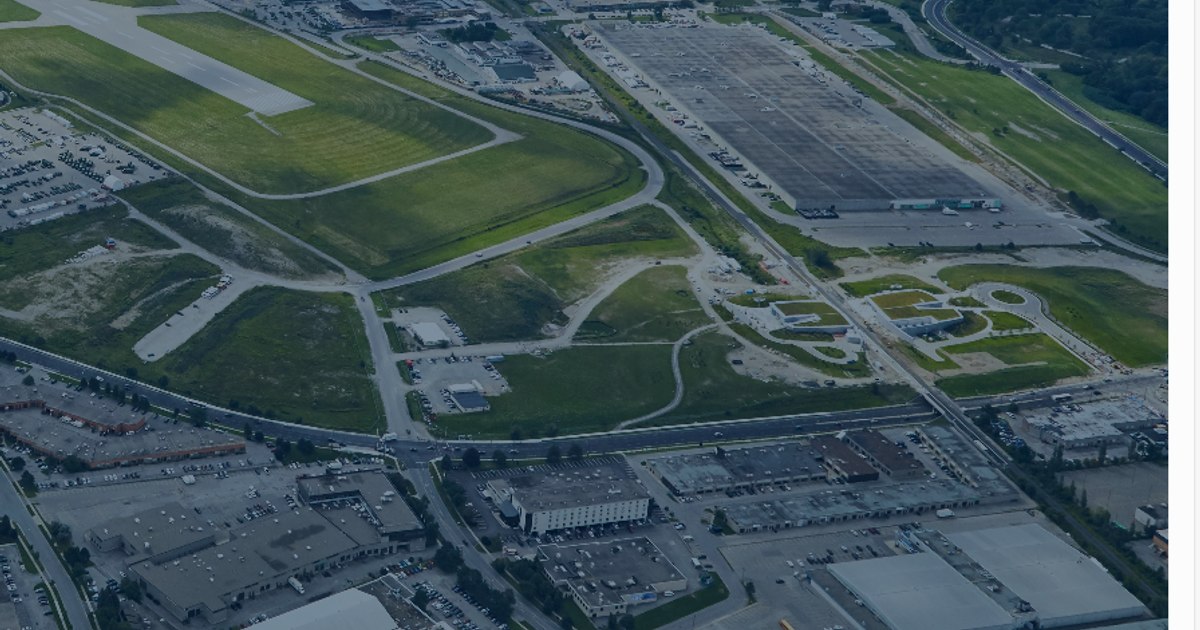
One of the most ambitious urban projects in Canada is taking shape on the land of the former Downsview airport in the northwest of Toronto, according to the Daily Mail. The so-called city of the future is tentatively named YZD.
Opened in 1929 as a Royal Canadian Air Force base and later used by Bombardier Aviation as a test centre, the airport closed in 2024 after nearly a century of operation.
According to the Daily Mail, the land is currently owned by Northcrest Developments, a company that plans to turn the area into a whole new city valued at more than £16 billion (about $21 billion).
Approved by the local council in May 2024, the project covers 370 acres and would be home to around 83,500 residents and generate more than 41,000 jobs.
The new city, tentatively named YZD, will have seven neighborhoods and will involve a total investment estimated at 30 billion Canadian dollars.
According to CNN, work should begin later this year.
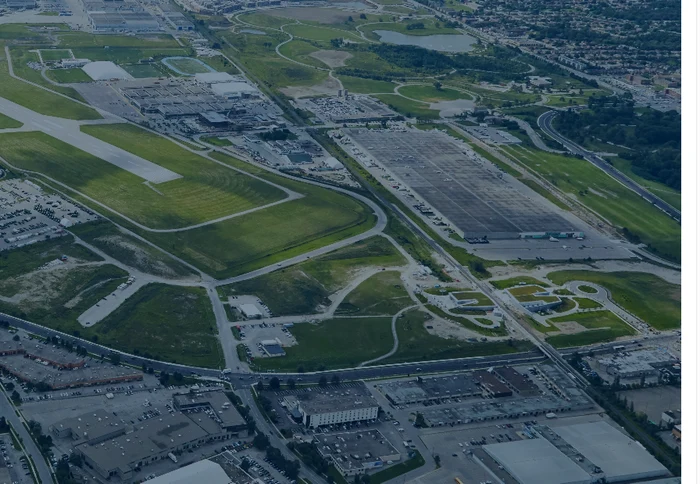
The YZD project will be built on the ruins of the former airport. PHOTO YZD.ca
The developers announced that an important part of the airport infrastructure will be preserved and integrated into the new urban concept. Northcrest plans to preserve 11 hangars and more than a mile of runway, which will be transformed into a pedestrian park that will connect future neighborhoods.
Derek Goring, chief executive of Northcrest Developments, told CNN the project aims to blend the site's history with the new community's identity, “respecting and celebrating the site's aerospace heritage”.
“A city within a city”
On its official website, Northcrest describes the project as “a once-in-a-generation opportunity – the chance to build a city within a city,” noting that the development will redefine Toronto's urban lifestyle.
The plans call for the reuse of existing buildings to reduce the carbon footprint. Derek Goring explained that retaining the hangars and other structures offers a significant environmental advantage, as they will be converted into commercial and functional spaces for the community.