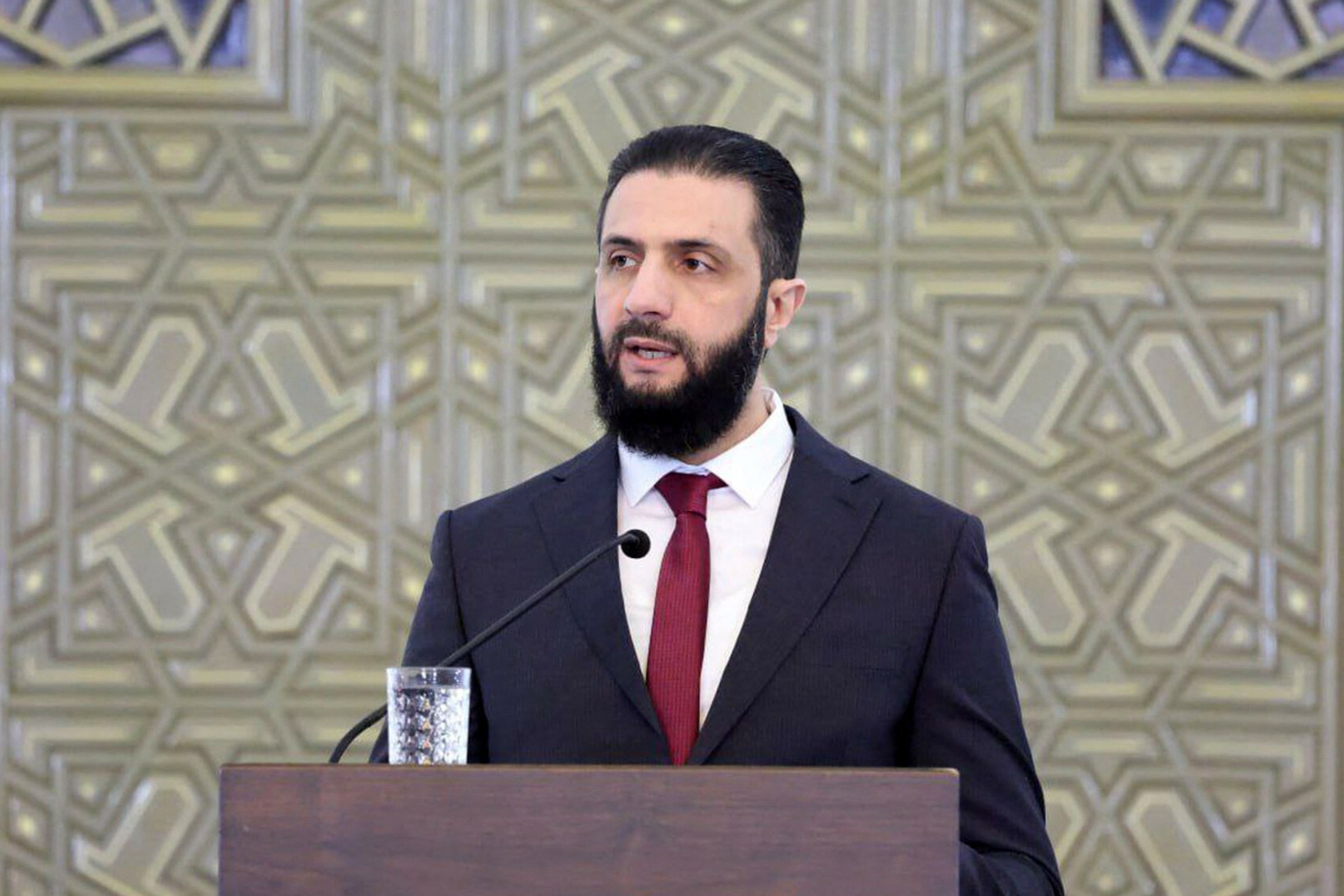
Szara declared the Kurdish language the national language, allowing its teaching in public schools in areas inhabited by large numbers of Kurds. The president also declared Nowruz, the Kurdish New Year that falls at the beginning of astronomical spring on March 21, as an official public holiday. Originating in pre-Islamic traditions, Nowruz is a symbol of resistance and ethnic identity for the Kurds, especially in the context of attempts to eradicate their culture in Turkey, Iraq and Syria.
What decree granted the Kurds in Syria national rights?
What does it mean to establish Kurdish as the national language?
What other benefits does the new decree bring to the Kurds?
What are the current tensions between Syria and the Kurds?
A surprising decree
The document recognizes the Syrian Kurds as “an essential and authentic part of the Syrian nation.” The decree also grants citizenship to Kurds, about 20 percent of whom it was deprived of it in 1962.
The Kurds, who probably constitute about one tenth of the country's population, were treated as second-class citizens during more than five decades of Baathist rule. Hundreds of thousands of people were denied identity documents, the right to run a business and own land.
The provisions of the decree go far beyond the actions of Turkey, which has the largest Kurdish minority in the region, or Iran, which also has a large Kurdish population. However, they do not respond to the Kurds' demands for formal autonomy or the removal of the word “Arab” from the official name of the state – the Syrian Arab Republic.
The fighting with the Kurds is still ongoing
The Kurdish minority took advantage of the chaos of the civil war to take over vast areas of northern and northeastern Syria – including areas rich in oil and gas – after defeating Islamic State with the support of an international coalition. In 2012, Syrian Kurds announced a de facto autonomous Democratic Administration of North and East Syria (known as Rojava), creating their own local government structures.
Negotiations on the implementation of the agreement signed after the overthrow of Bashar al-Assad in March 2025 between Damascus and the Kurds, aimed at integrating their civil and military institutions with the Syrian state, are currently at an impasse.
The Syrian president's surprising decree comes as his army is fighting Kurdish forces in northern Syria after driving them out of Aleppo last week.
The decree was issued ahead of a meeting between US envoy to Syria, Tom Barack, and the commander of the Kurdish-led Syrian Democratic Forces (SDF), Mazlum Kobane, in Erbil. Barrack is expected to persuade Kobane to withdraw forces from all territory west of the Euphrates, a key demand of the Syrian and Turkish governments.
The Kurds are one of the largest nations in the world without their own state. A total of approximately 30 million Kurds live in Turkey, Iraq, Iran and Syria. The authorities in Ankara have been fighting Kurdish separatism for years. After the overthrow of Saddam Hussein, the Kurds in Iraq managed to create their own region in 2005 with broad constitutionally guaranteed autonomy.