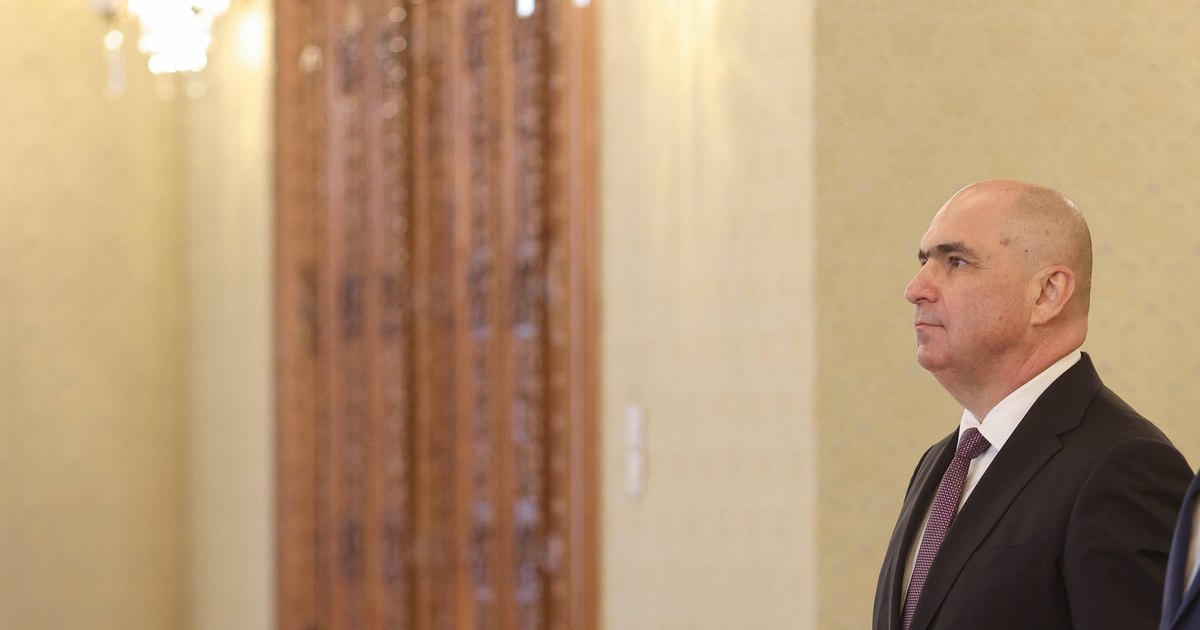
Republicans in Congress are at each other's throats. Things are getting tense in Trump's party

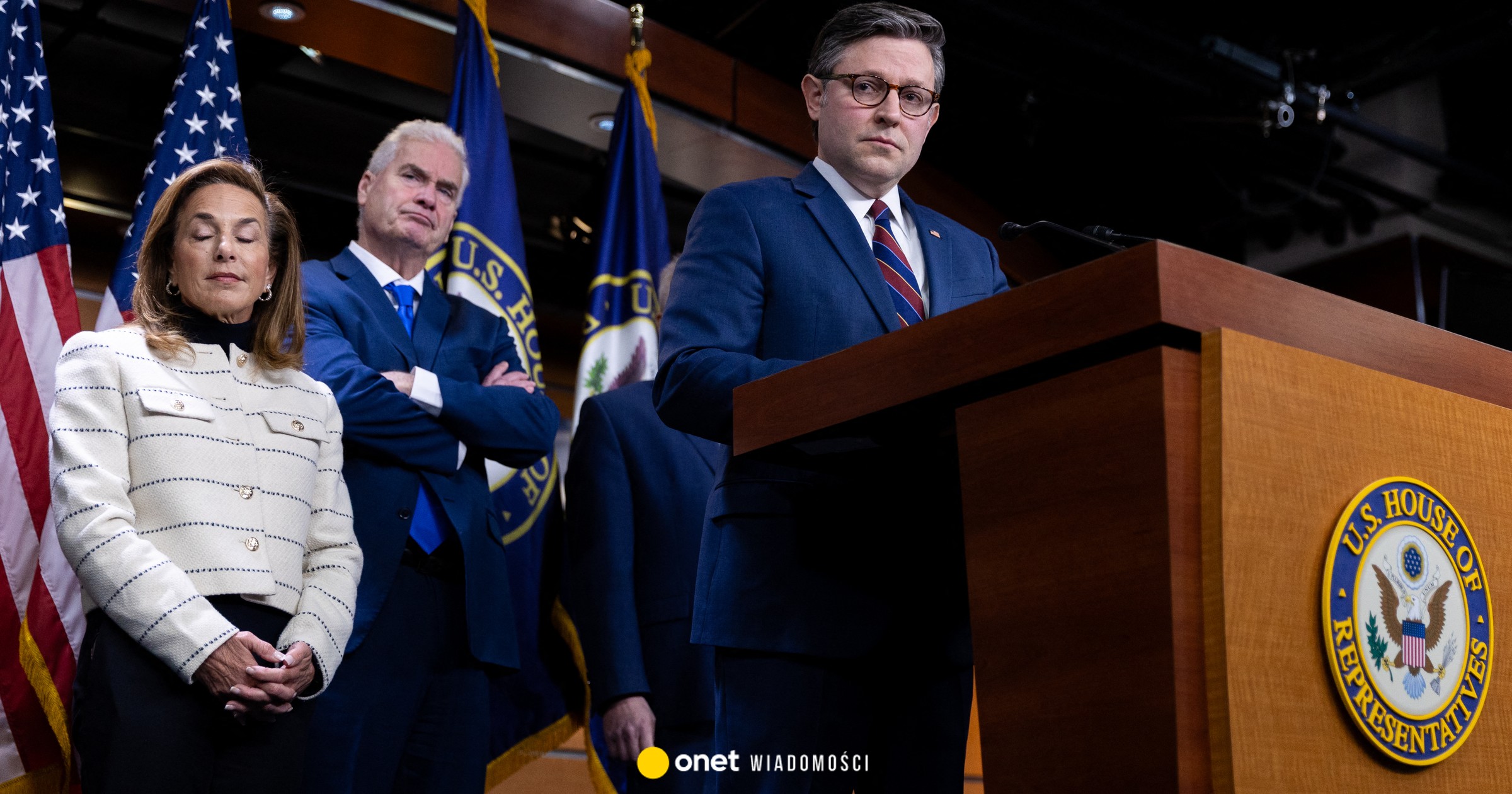
Congressmen were shocked after unexpected confusion in the meeting room on Tuesday evening. Opposition from several Republicans led to the rejection of one labor law bill and the postponement of votes on three more.
Some began to wonder why the voting and party discipline teams — led by Majority Leader Steve Scalise and Chief Whip Tom Emmer, respectively — allowed the bills to proceed at all.
On Tuesday, he voted against one of the bills, among others: Brian Fitzpatrick. As he said, he informed the party leadership of his opposition and expressed surprise why “they are trying to force votes without being sure that they will have enough votes – probably just to try to force some people to change their minds.”
“A difficult road awaits us”
Growing concerns about the actions of the whip team coincide with the party's fight for survival a very fragile majority of votes. Since the beginning of the year, Marjorie Taylor Greene has left the House of Representatives, and Doug LaMalfa has died suddenly. The party is also plagued by further absences due to illness or family emergencies.
Republicans currently hold a 218 to 213 vote advantage in the House – as long as everyone is present and takes part in the votes, which can be very uncertain. However, as he left the chamber after the failed vote on Tuesday evening, Johnson assured: “We still have full control of the House.”
In turn, Scalise, asked in an interview whether the party leadership had a problem with voting discipline, replied: “Ultimately, our problem is too few members during voting.” There are absences, there are different situations. One of our colleagues has just died, he added. — A difficult road awaits us, but we do not intend to give up our activities.
Still, Tuesday's confusion meant wasting valuable boardroom time when Republicans are trying to convince voters that they are really dealing with the rising cost of living before Trump's midterm congressional elections. Johnson still promises to push through another party-line bill this year, a continuation of last year's “mega bill” on tax cuts.
The announcer overestimated his “magic ability”
Last year, the party leadership had some success in squeezing individual votes, persuading undecided voters and making compromises just before the vote. In the case of the “mega-bill” proceedings, the vote lasted over nine hours, during which leaders and representatives of the White House negotiated the possibility of adopting the bill.
“I have a magical ability to convince everyone at the end of the vote and it usually works,” Johnson assured reporters on Wednesday.
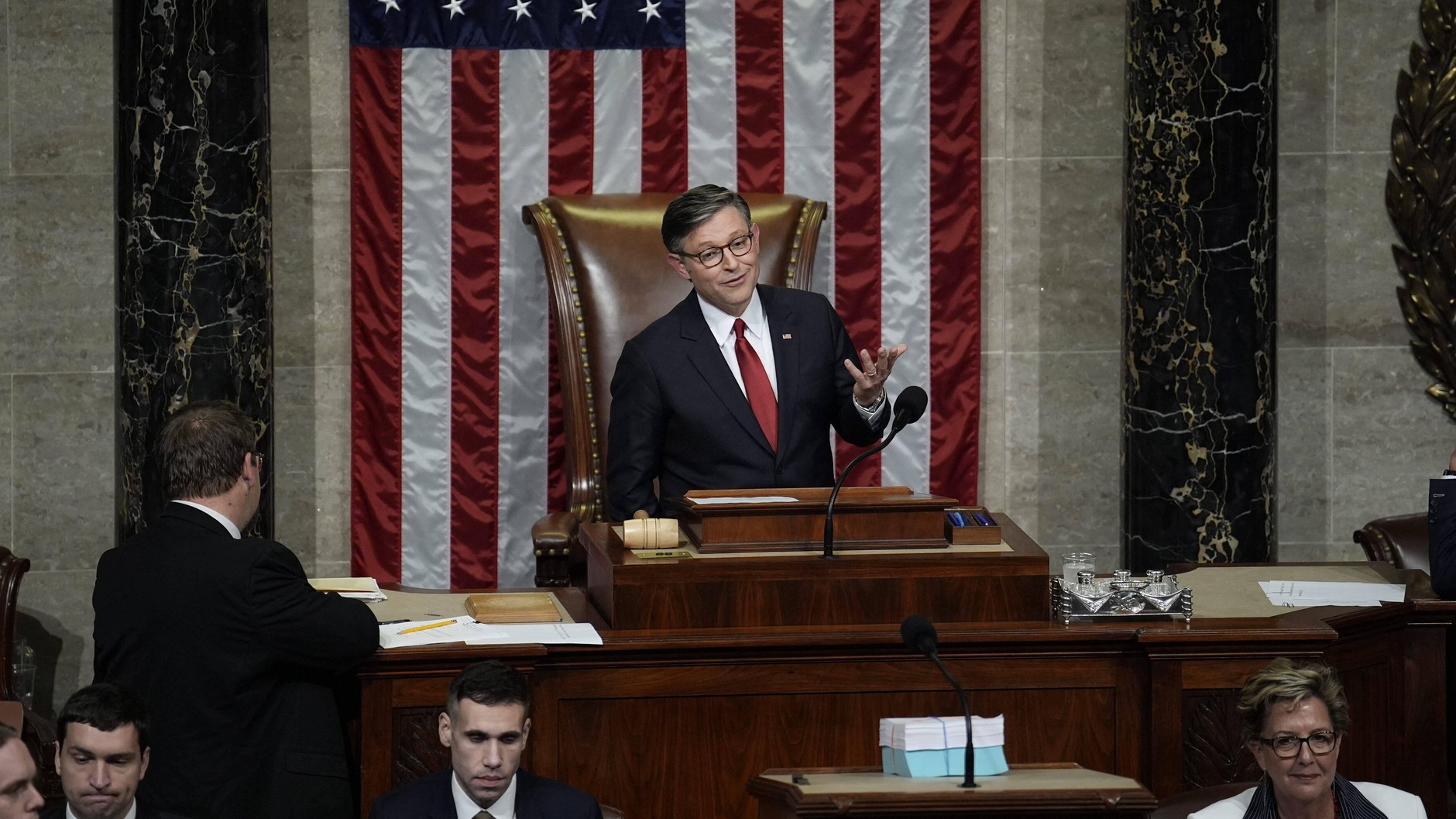
Speaker Mike Johnson during the House of Representatives proceedings. Washington, July 3, 2025Yuri Gripas/ABACAPRESS.COM / PAP
This time, however, it didn't work. The management had to withdraw a bill that was supposed to change the remuneration rules in such a way that so that in some cases employers do not have to pay for overtime during training. Pro-labor Republicans — Fitzpatrick, Rob Bresnahan, Nick LaLota, Jeff Van Drew, Chris Smith and Riley Moore — voted against the measure.
Pete Sessions, former head of the Rules Committee, refrained from making a clear assessment of the confusion in the room. However, he noted: “previously we focused on a completely different process than the current one.”
Other MPs, speaking anonymously, were less reserved. “They didn't even try to force them to pass the damn bill,” complains one Republican congressman.
“It was unbelievably stupid and unbelievably irresponsible,” another added.
“We should support American workers, not make their lives harder.”
The evening before the vote, members of Emmer's team checked whether the most uncertain congressmen intended to support the labor law. They heard concerns from some, but rarely a firm “no”as reported by three people familiar with the background of these talks. A spokesman for Emmer did not respond to a request for comment.
“I let them know,” says Rep. Riley Moore. — We should support American workers, not make their lives harder.
In turn, Congressman Jeff Van Drew admits that he made the decision to vote against the project only on the day of the vote and did not inform the management in advance, but added that they didn't ask him about it either. — Our advantage is so small. This is a real problem, he emphasizes. — They should have implemented voting discipline, first of all. And secondly, my fault, I should have warned them, even if it was half an hour before.
Such a warning probably wouldn't change much anyway. Other Republicans have directly warned Emmer and Scalise about problems with the labor law changes, according to four people with knowledge of private discussions about the legislation.
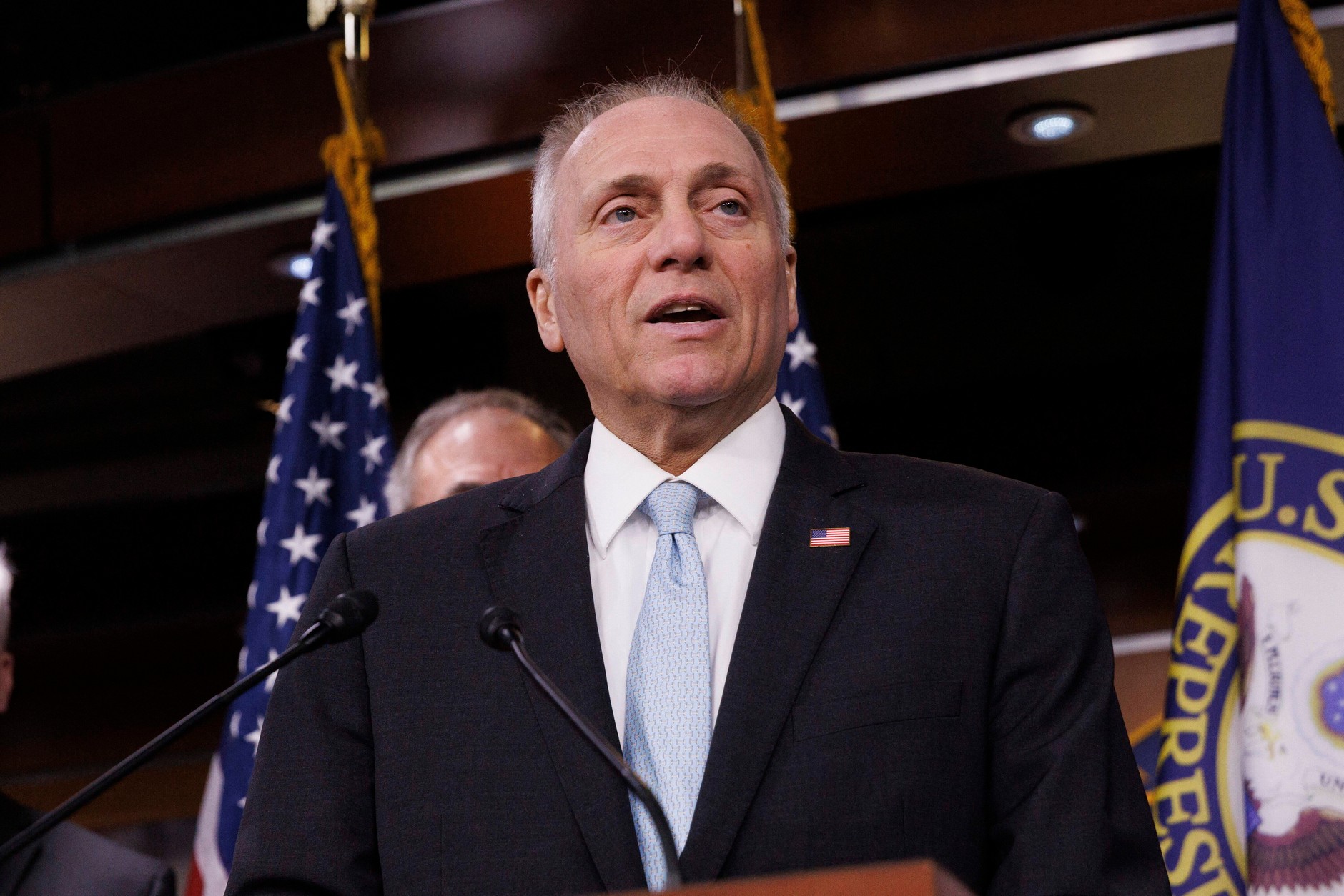
Steve Scalise, leader of the Republican majority in the House of Representatives. Washington, March 11, 2025Aaron Schwartz – CNP, Abacapress.com / PAP
On Wednesday, Scalise said in an interview that if all Republicans on the legislative committee unanimously support the bill — as was the case with the overtime bill — “then we are doing everything to ensure that the bill passes”.
“Nobody wants days like yesterday,” he admitted. — But when it comes to the key points of our program, which we clearly present in advance, we are working on these bills. We have already adopted them and we plan to adopt them later this year, he announced. In other words, Scalise didn't give no signals that in 2026 the party leadership intends to abandon its current strategy.
The pro-worker faction is thumbing its nose at the pro-business faction
On Tuesday, according to four people familiar with the matter, Johnson's team was aware that some Republicans would be absent and that there would be some resistance within the party, but they thought they could gather enough votes to pass the planned projects.
Among those the leadership tried to convince was Chris Smith, one of the House's longest-serving congressmen and a longtime supporter of unions. Smith, however, stood his ground, explaining that he had previously made a commitment to voters in his district and would not vote for the projectaccording to three people who heard the conversation.
Johnson told reporters Wednesday that Smith was among a group of people “who didn't warn us beforehand, so it's no one's fault.”. “He was at an oncology appointment with his wife all morning, so he wasn't here to inform us,” he explained. “It's no big deal, just part of the process.
This whole situation has shown that The Republican Party is unable to push through pro-business regulations that are unfavorable to trade unions — and this is one of the key points of her program.
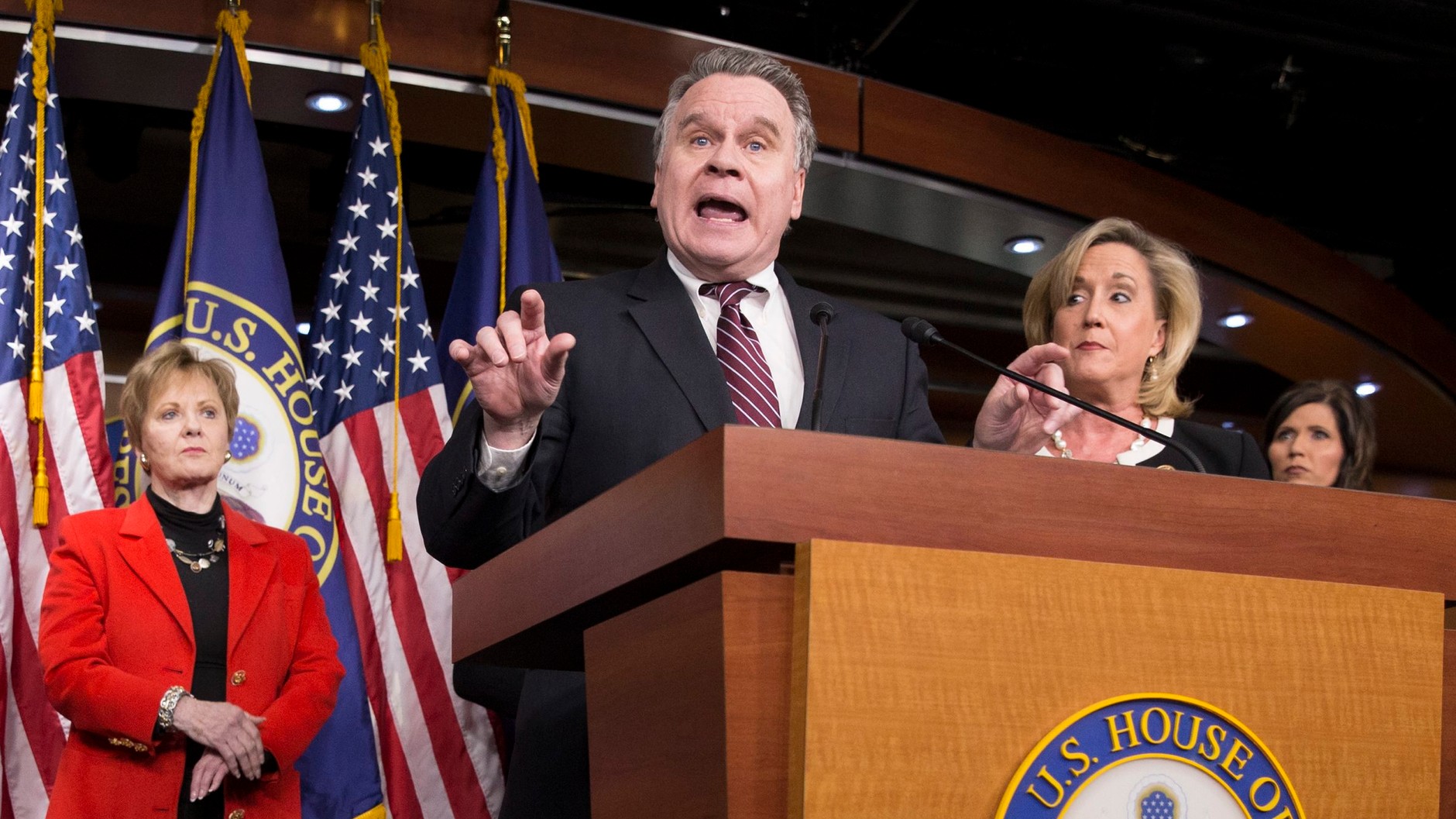
Chris Smith, Republican congressman. Washington, January 27, 2015EPA/MICHAEL REYNOLDS / PAP
Late last year, a narrow margin enabled a small group of pro-union Republicans to block Johnson. They signed the democrats' motion, forcing the House to vote on a bill to protect federal employee unions.
Democrats are already announcing further such proposals regarding labor law, while Republicans are unlikely to raise this issue on the floor themselves. “I don't think any more labor legislation will be on the floor this year,” said another Republican congressman.