When we talk about bone health, calcium gets all the attention. Few know that magnesium has an equally important role: it keeps muscles active, regulates the nervous system, supports normal blood sugar levels and can improve sleep, physical performance and mood, according to material published in Self Magazine.
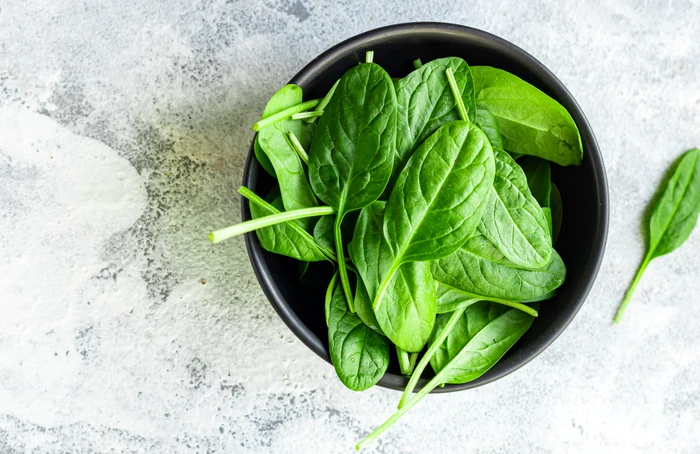
Photo credit: Shutterstock
A 2022 review published in Bone shows that people over 60 with higher magnesium intake had better bone density at the hip, which helps prevent fractures.
Magnesium keeps muscles active, the nervous and immune systems in shape, stabilizes blood sugar and blood pressure, and can improve sleep and mood. A 2023 review (Frontiers in Psychiatry) found that magnesium supplementation reduced symptoms of depression and may have similar effects for anxiety, headaches, PMS or menopause.
Because the body can't produce magnesium on its own, we have to make sure we get it from food or supplements, explains dietician Vincci Tsui to Self Magazine.
How much magnesium should we consume daily?
Men need 400–420 mg of magnesium daily, women 310–320 mg, and pregnant or nursing mothers up to 400 mg and 360 mg, respectively. The FDA recommends a guideline of 420 mg for adults and children over four years of age.
Although it is found in many foods, many people do not reach the recommended intake. But the body stores magnesium efficiently, so severe deficiencies are rare, Janice Dada, a dietitian, explains to Self Magazine. However, low magnesium can cause fatigue, nausea or weakness, and in the long term, increases the risk of serious health problems. Elderly men, teenagers and people with digestive disorders, type 2 diabetes or high alcohol consumption should be careful with their magnesium intake.
To ensure your daily magnesium needs, include these ten foods in your diet:
1. Pumpkin seeds
One cup of dried seeds contains around 764 mg of magnesium, almost double the recommended daily allowance. You can enjoy them raw or baked, as a snack, or sprinkled over salads, yogurt or granola.
2. Dark leafy greens
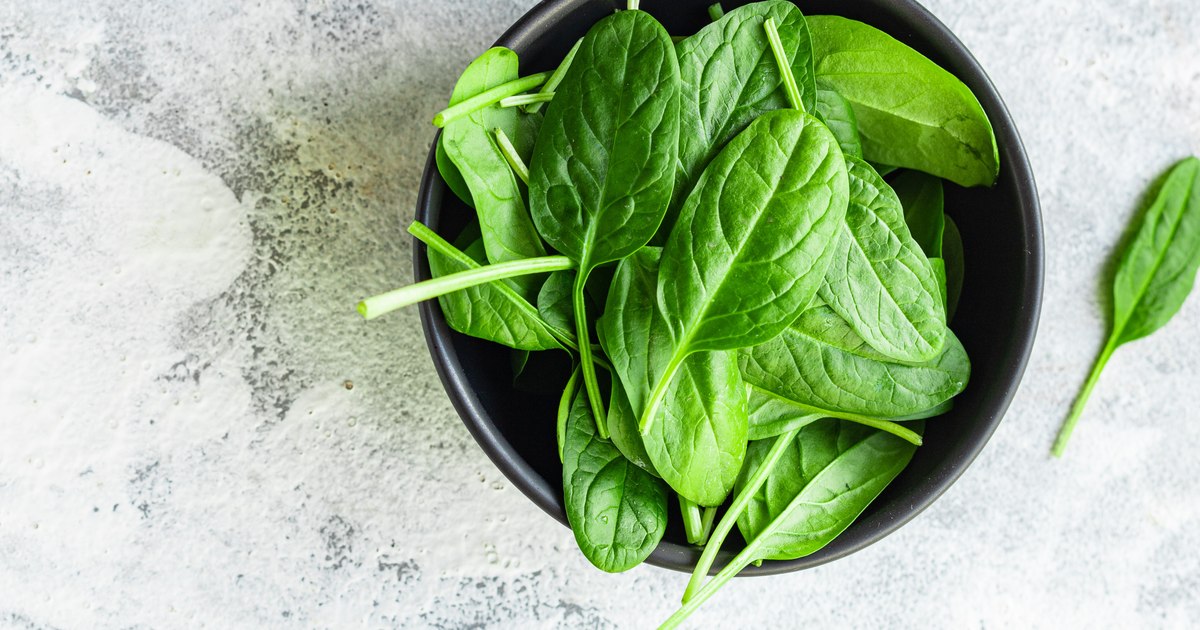
Spinach, kale, and Swiss chard provide between 24 and 156 mg of magnesium per cup, depending on how they're prepared. They are delicious raw, in salads or sandwiches, but also cooked in soups or omelets.
3. Legume
Edamame, chickpeas or beans (pinto, black or kidney) provide between 71 and 120 mg of magnesium per cup. They are a simple and convenient way to supplement your daily mineral intake.
4. Chia seeds
A small serving of chia seeds (about 2 tablespoons) provides 95 mg of magnesium and comes with protein, fiber, antioxidants and omega-3s. You can use them in smoothies, porridge or chia pudding.
5. The nuts
Almonds, cashews or Brazil nuts are rich in magnesium (74–80 mg per 30 g), and nut butters provide the same amount of minerals, easy to add to the daily menu.
6. Soy products
Soy milk and tofu are excellent sources of magnesium. A cup of soy milk contains 61 mg, and 100 g of tofu prepared with magnesium salt – 40 mg. You can easily use them in soups, stews or smoothies.
7. Potatoes
A medium-sized baked potato provides 48 mg of magnesium, and other root vegetables, such as beets or parsnips, between 40 and 45 mg per cup. Do not eat sprouted potatoes as they can cause stomach discomfort!
8. fruits
The top magnesium-rich fruits are bananas, with 32 mg per fruit, followed by avocados, raisins and dried apricots, each providing between 22 and 25 mg per serving.
9. Fish
Fatty fish, such as mackerel, salmon and trout, provide between 26 and 49 mg of magnesium per serving, in addition to heart- and brain-essential omega-3 fatty acids.
10. Whole grains
Oats, whole grain bread and brown rice have between 10 and 61 mg of magnesium per serving and are easy to incorporate into breakfast or snacks.
By combining several of these foods, you can easily ensure your daily magnesium needs. For example, a smoothie with spinach, banana and chia seeds or a chia pudding with bananas and walnuts can stand in for an ideal lunch. For dinner, you can combine spinach with edamame, tofu and brown rice or lentils for a tasty and nutritious dish.