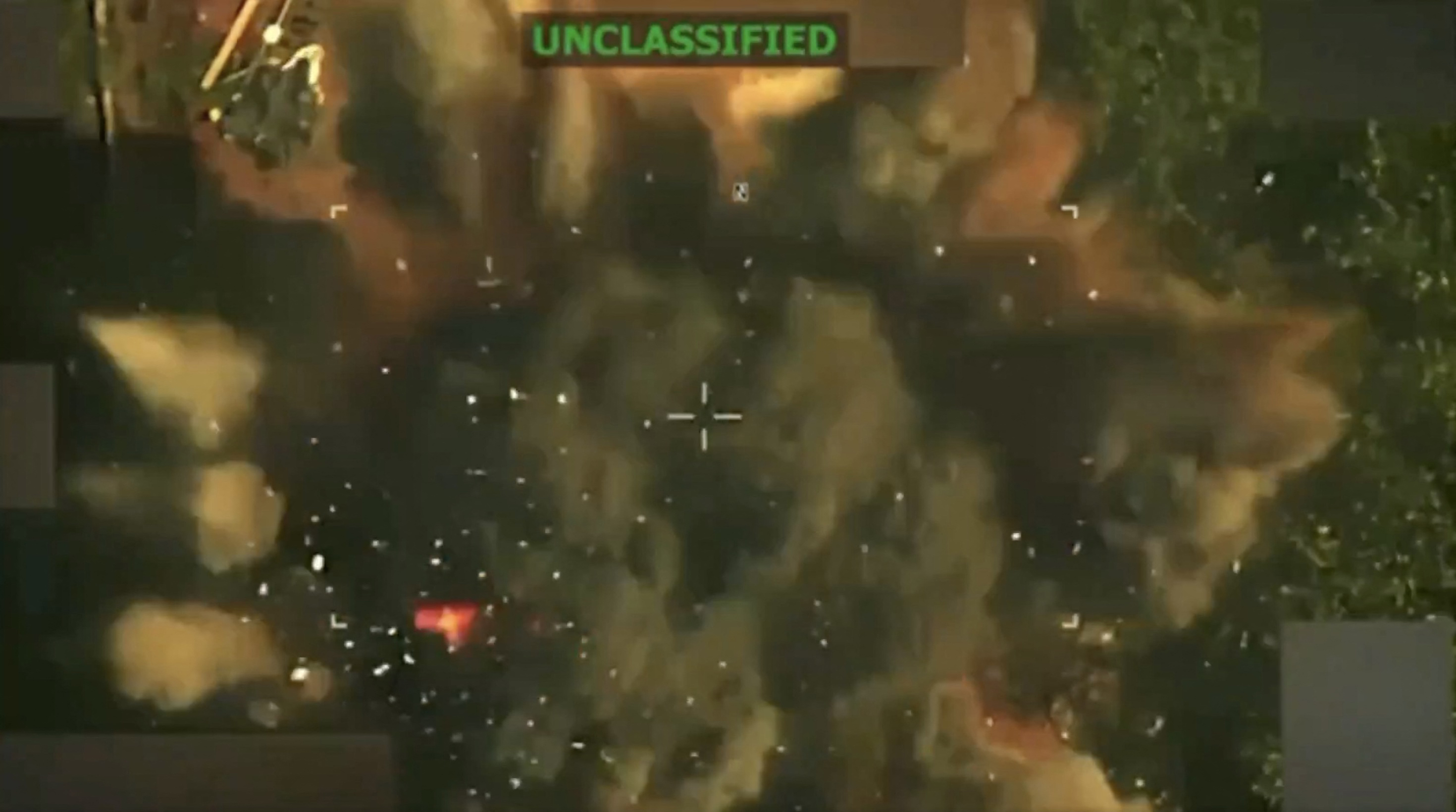
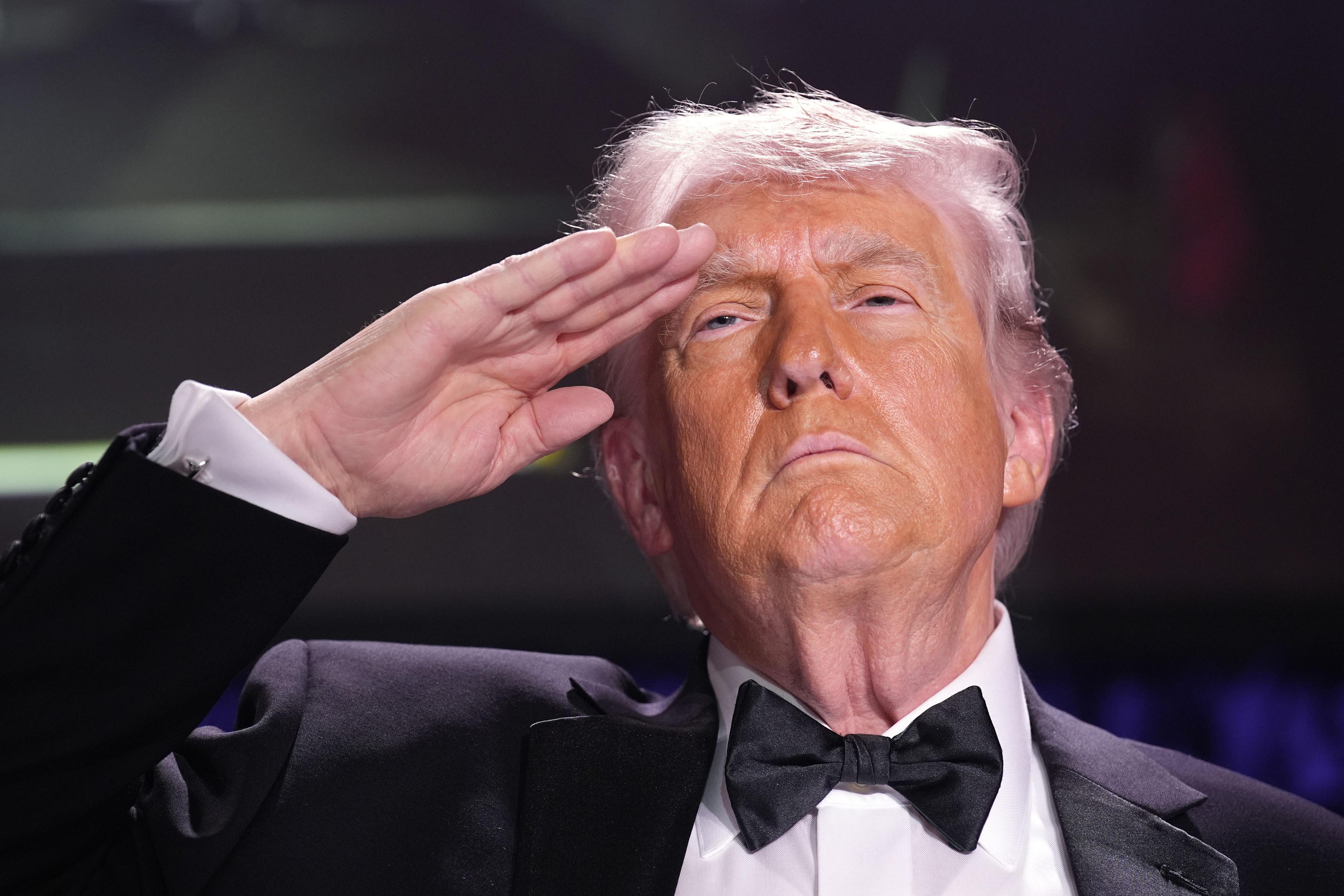
Trump is under pressure to act in Iran amid bloody crackdown. What it can do is complicated and interesting


There is little precedent for launching a military offensive in support of peaceful protesters. As much as he would like to follow through on his word that he will support the protesters in Iran, Donald Trump's options in Iran are far from simple.
Donald Trump announced over the weekend that the end of the Islamic Republic is near and that “Iran is on its way to freedom”, assuring that Washington is “ready and ready” to intervene if the regime kills demonstrators.
While they said on Monday that they have open channels of communication with the US, Iranian leaders do not seem to have heeded the US president's warnings.
What began as a demonstration by traders in Tehran has turned into a deep crisis of legitimacy for the regime, leading even some insiders to wonder if a change is in the offing.
Unable to appease the protesters with social aid, the regime chose the option of bloody repression of the demonstrations. A Washington-based human rights group said it had confirmed 490 dead, a figure that is almost certainly an underestimate.
This puts Trump in a dilemma. As much as he would like to carry out his threats, his options are limited. There is little precedent for launching a military offensive in support of peaceful protesters, he writes The Economist..
Trump, under pressure to follow through on his warnings
The unrest in Iran, leaderless and disorganized, has not convinced members of the regime – especially those in the armed forces – to defect. America can give a boost to the opposition, but it is unlikely to be decisive.
Some Iranians, writes The Economist, now wonder if the violence would have been worse without Trump's threats. In any case, with the passage of time, they could lose any persuasive value.
 Tehran's response after Trump announced that “Iran wants to negotiate” amid massive protests rocking the country
As the protests enter their third week, Trump is under pressure to turn his words into action.
In recent days, he has met with his advisers to discuss his options, although sources in Washington cited by Reuters and the Wall Street Journal said he had not yet made a decision – and would meet with his advisers again on Tuesday.
A symbolic attack or a large one against the regime
The options are limited. One of the options would be a symbolic blow against the regime.
This could spur wider protests, at least for a while. But it could just as easily backfire because it could signal that Trump isn't really committed to carrying out his threats more meaningfully, writes The Economist.
Protesters would be demoralized, while the regime would feel emboldened to take tougher measures.
Trump may instead consider a broader strike against the Islamic Revolutionary Guard Corps (IRGC), the regime's sword and shield, which was a major target of Israel's war last summer.
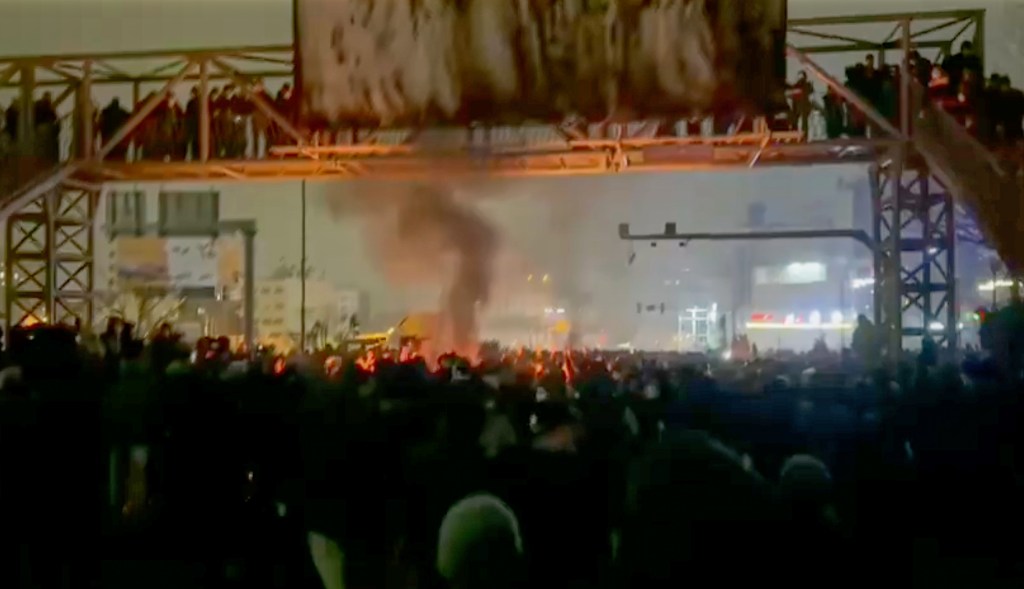 Iran riots: At least 500 people killed, according to NGO / Trump says Tehran 'wants to negotiate'
This would be a tangible blow and a psychological boost to the opposition.
However, a bombing campaign cannot stop the IRGC – and affiliated groups such as the Basij, a paramilitary force – from firing on protesters in the streets.
Such an intervention could also alienate some Iranians who fear a state collapse similar to what has occurred in other Middle Eastern countries.
Aimed shots against the leaders
The most radical option would be a targeted attack on important regime figures, perhaps even on the supreme leader, Ayatollah Ali Khamenei.
Trump might be tempted to attempt a raid given his recent success in Venezuela, but such a mission would be much more complicated in Iran.
He could also launch an airstrike, as Israel did in June.
Any of these options would certainly force political change – if successful. In the ensuing power struggle, however, a disorganized protest movement would be at a disadvantage.
The most likely winners would be the IRGC and their political allies, writes The Economist.
Logistical constraints
For now, there are also practical constraints on the US: It would likely have difficulty sustaining a protracted campaign in Iran.
The Pentagon has no aircraft carriers in the Persian Gulf. The closest, the USS Abraham Lincoln, is thousands of kilometers away in the South China Sea. Washington has fighter jets at bases in the region, but host countries may not allow their use.
Gulf states are concerned about both possible retaliation and the prospect of chaos in Iran should the regime fall. On Sunday, Mohammad Bagher Qalibaf, the speaker of Iran's parliament, warned that America's regional bases would be the target of retaliation in the event of an attack.
The regime would almost certainly launch missiles at Israel as well.
A less ambitious move
All these complications could persuade Trump to support a less explosive move.
America could send more Starlink terminals to Iran, for example, which would allow more Iranians to bypass the internet blockade.
Reconnecting the country to the Internet would be important. It would help Iranians organize and share evidence of the regime's atrocities with the rest of the world. But it wouldn't stop the regime from committing these atrocities in the first place.
The other options discussed, such as the stricter application of economic sanctions, would not have this effect either.
History offers few clues.
By the time America and its allies intervened in Libya in 2011, the opposition to Muammar Gaddafi's regime was already armed. The coalition ended up providing air support for a rebel offensive (the result of which, 15 years of civil war and chaos, is not desirable).
When America, Britain and France bombed Bashar al-Assad's regime in Syria in 2018, they did so only to enforce a ban on the use of chemical weapons. They did not try to stop Assad from killing his people with conventional weapons.
With his promise to “save” the protesters in Iran, Trump has set himself a much higher — and much more difficult — goal, The Economist warns.