January 2026 will be marked by extreme weather, with temperatures below normal for the period. Disturbed polar vortex brings frost to Europe


January 2026 could be marked by episodes of freezing temperatures and heavy snow. A rare stratospheric warming event disrupted the polar vortex, causing cold air to be released from the polar regions and bringing temperatures well below normal for the period to Europe, the United States and Canada.
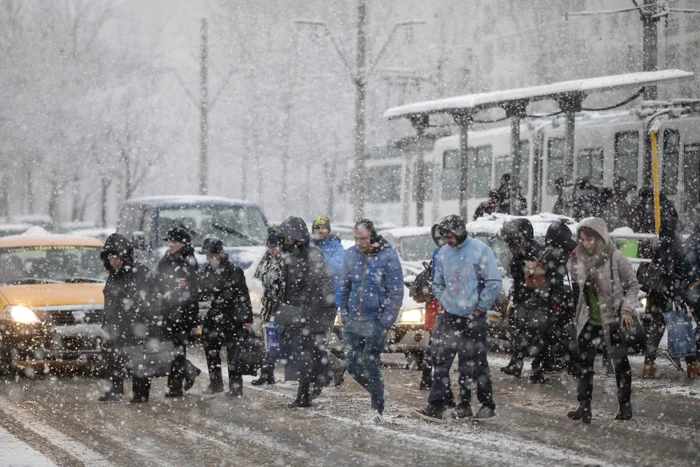
PHOTO: Inquam Photos/Octav Ganea
According to an analysis published by the specialized website Sever-weather.eu, a pressure anomaly in the stratosphere weakened the structure of the polar vortex, favoring the descent of cold air masses towards mid-latitudes.
The phenomenon, produced in late November and early December 2025, is considered one of the earliest episodes of stratospheric warming in the last seven decades.
Specialists explain that the effects of this process gradually propagate to the lower layers of the atmosphere, with a delay of about 20–40 days, directly influencing the weather on the ground. Thus, forecasts for January indicate a stable flow of cold polar air to North America and Europe.
Currently, two powerful cores of the polar vortex are being pushed towards North America and Europe, generating significant weather changes. The separation of the lower vortex will create northerly flows of cold air, favoring cold temperatures and snow showers, depending on the humidity.
For Europe, weather models indicate a pressure pattern with highs in the north and lows over the continent, which will keep the cool air moving. In North America, the core of the polar vortex will sit over Canada, sending cold air masses into the United States, especially into the Upper Midwest, Great Lakes and Northeast regions of the country.
And Romania is already facing extreme weather, with a red code of frost, snow and storms in force in some areas of the country. The country also experienced a similar episode in February 2025, when temperatures dropped to -15 degrees Celsius.
Forecasters warn that the winter of 2025–2026 could remain a severe one, with prolonged cold spells, even if the upper polar vortex could temporarily strengthen.