Vissavi disappears from shopping malls. Agata Blok about the behind-the-scenes of the decision


Vissavi was not a brand that appeared for a while and disappeared. For almost a quarter of a century, it has grown together with its clients, designed and sewn in Poland, in cooperation with local sewing workshops in Podkarpacie. — We created clothes from drawing, through construction and prototype, to the finished product in the store. It was a process, people, relationships – says today Mrs. Agata Blok, the founder of the brand.
Worth reading: Retail parks and malls in a new reality. E-commerce is maturing
At its best, in 2017–2018, the Vissavi brand had 17 stores in shopping malls throughout Poland. Today five left — and these, too, will be off the map by next spring. Three premises are closing by the end of December, two more will be open for a few more months in the outlet formula.
— It wasn't an emotional decision. It was a process that took years – emphasizes the entrepreneur.
Trading Sundays: the first warning signal
The first blow was liquidation of trade on Sundays in 2018 — We had fewer sales days a month, by at least four. We tried to talk about rent reductions, but there was no agreement – recalls Mrs. Agata.
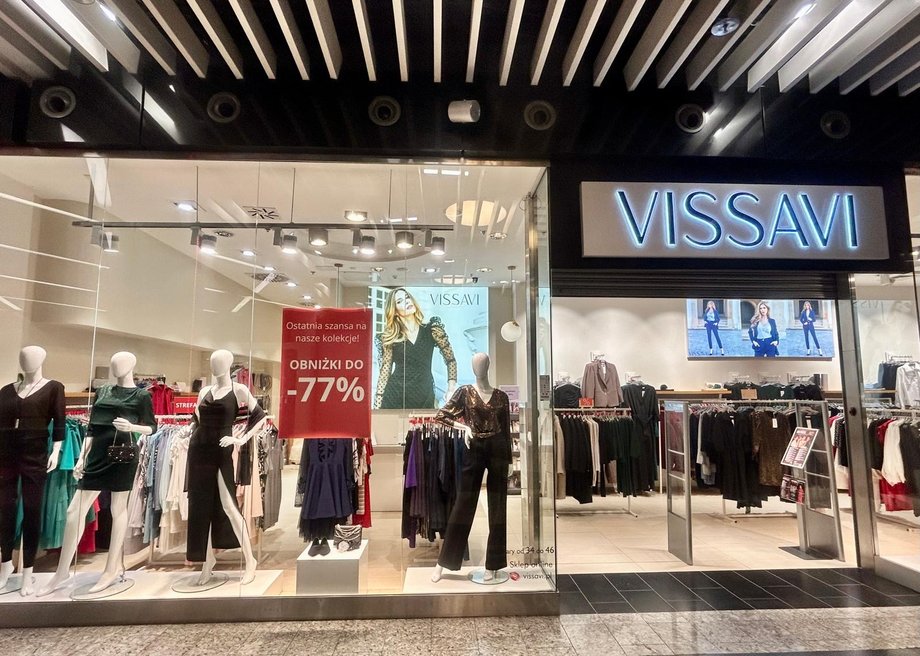
At the brand's best moment, there were 17 stores operating on the market
|
Vissavi
Read: Retail parks in Poland: market leaders and the future of the retail sector
For brands operating in shopping malls, this meant decrease in turnover with unchanged fixed costs. – This was the moment when the erosion of profitability began, although at that time we believed it was temporary – says the owner of the Vissavi brand.
Pandemic and contracts “from times of prosperity”
The real test came with the Covid-19 pandemic. Closed galleries, further lockdowns and – as owner Vissavi describes – a wall in negotiations.
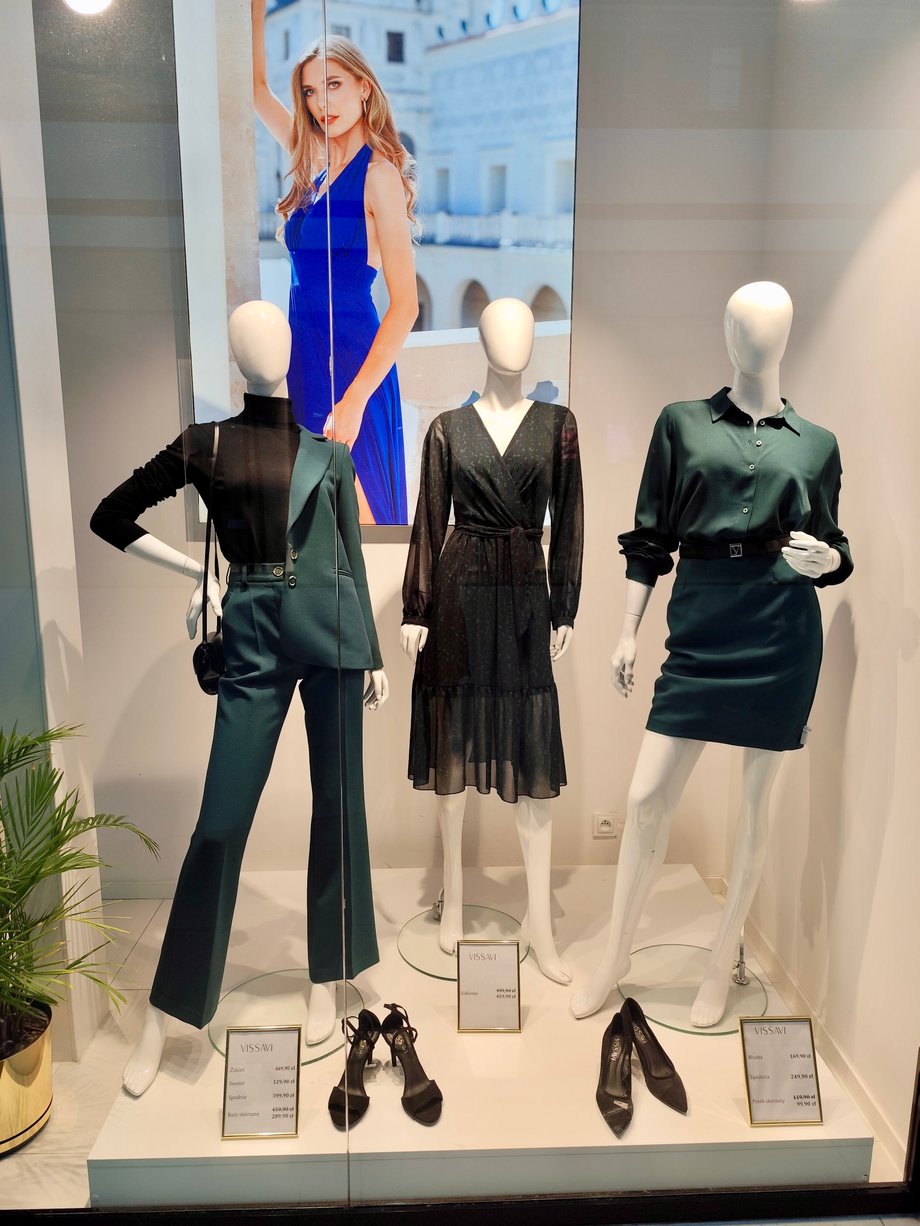
The Vissavi brand consists of fully Polish products: designed and sewn on site
|
Vissavi
Read: New real estate research. Depressing opinion of Poles
— I had to hire a full-time legal advisor. There were so many letters, applications and negotiations that it was impossible to function without them, he says. – And we're not talking about small amounts. It was hundreds of thousands of zlotys – an unimaginable sum for a small, family company.
The regulation introduced by the legislator (Article 15 of the Covid Act) gave tenants possibility of exemption from fees during the lockdown, but in exchange for extending the contract on the current terms. — Four lockdowns meant the extension of contracts for over two years – at pre-2020 rates, even though traffic in the malls did not return. Customers were still afraid of the virus and were reluctant to visit shopping centers, explains Ms. Agata.
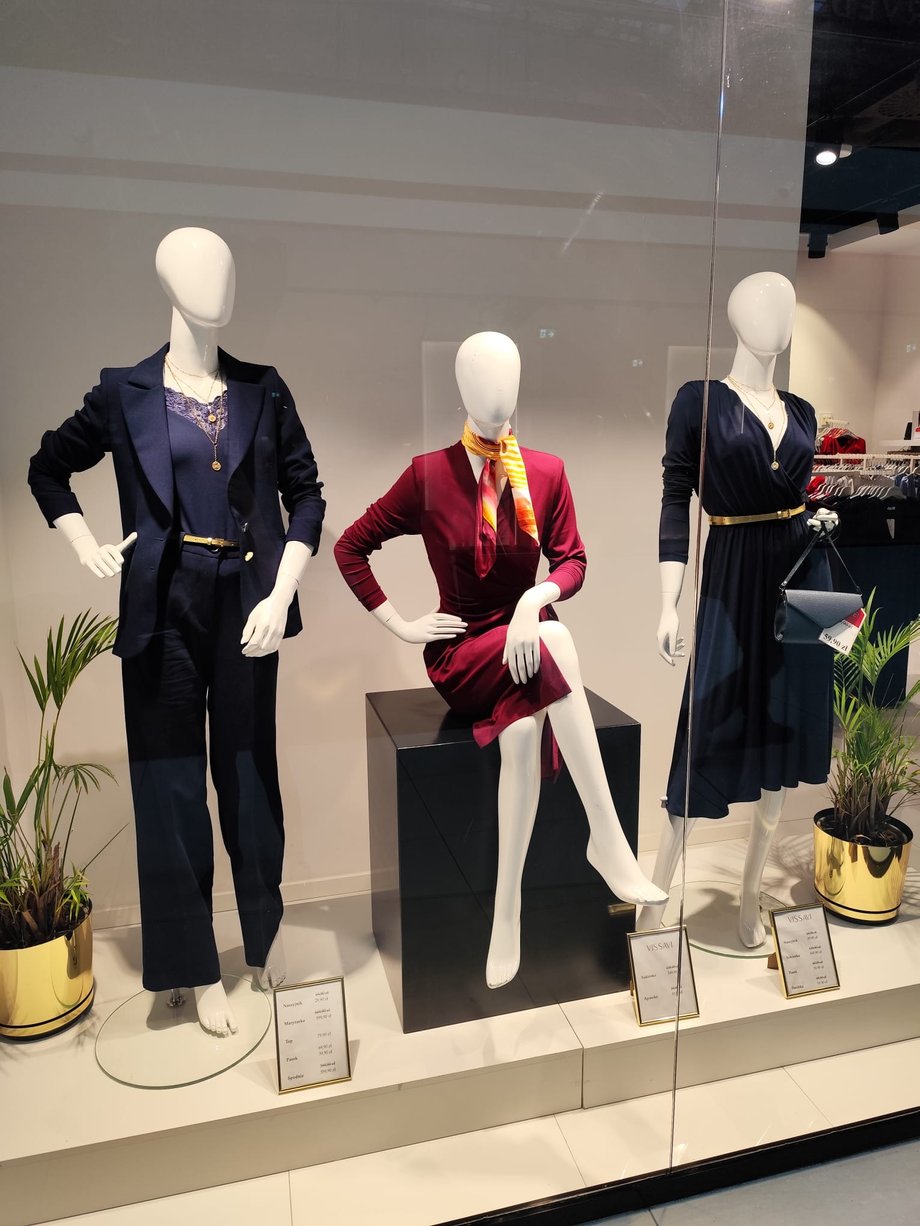
There are still five brand stores on the market, but unfortunately they too will disappear in the coming months
|
Vissavi
Read also: Apartment prices may fall despite an increase in sales. A new era is coming
In Galeria Avenida in Poznań or Wroclavia traffic declines reached – according to Vissavi data – up to 90 percent. — The rent remained the same.
Numbers that weigh more than emotions
The letters Ms. Agata sent to the gallery managers include specific amounts. In a letter to the Avenida Shopping Center dated March 2022, we read that the store's loss in this location in 2020 amounted to PLN 169,505.39, and a similar result was repeated in 2021.
In January 2022, the store's turnover was PLN 19,758, in February it was PLN 18,357with the total monthly cost of maintaining the premises exceeding its double amount.
— As a small family business we were unable to continue to finance such losses — she wrote in an official letter, asking for an amicable termination of the contract.
The case of Wroclavia turned out to be even more severe. After the decision to withdraw from the contract the gallery charged a contractual penalty of over PLN 200,000. zlotywhich – as the entrepreneur reports – she collected almost all of it using the security provisions included in the contract.
“It was an additional blow at a time when we were fighting for survival,” he says today.
“David versus Goliath” – asymmetry of records
According to the attorney Dr. Tomasz Henclewski from the Henclewski Wyjatek Adwokaci law firm, such stories are not isolated. — Contracts in shopping malls today are 120-160 pages long and are generally asymmetrical. The tenant bears all his own economic risk, and often also the landlord's risk – he explains.
As the lawyer emphasizes, contractual penalties reaching hundreds of thousands of zlotys, the obligation to pay rent even when the premises are closed, and the possibility of debt collection without going to court are standard mechanisms. – When things go wrong for the tenant, he pays. When things go very well, they share the success because they receive rent on turnover.
The expert also draws attention to: the problem of shared costs. — Large chain stores often offer flat-rate or limited fees. Therefore, underpayments in the budget are passed on to smaller tenants. The Supreme Court recognized such practices as an act of unfair competition, but in practice they still occur – says the lawyer.
Industry voice: “goals are not common”
Waldemar Ciepka, director general of the Association of Polish Employers of Trade and Services, speaks in a similar tone. — After 30 years of development of the shopping center market, we already know that the goals of tenants and landlords are not the same – says.
As he adds, attempts at self-regulation of the market, including through the PRCH Code of Good Practices, did not bring any real results. — Tenants do not expect exceptional protection. They want equal positioning of the parties and transparency of costs, he argues.
The other side of the coin
We also asked the Avenida Shopping Center in Poznań to comment. The management emphasizes that highly values cooperation with local tenants who give the facilities a unique character. “Cooperation is based on mutual understanding of the needs of both parties, and the contracts are bilateral and specify the rights and obligations of the tenant and the landlord,” we read in the response.
Avenida also points to solutions such as pop-up stores, kiosks and marketing support for smaller brands. At the same time, he points out that Due to the recent change in management, he cannot comment on the specific Vissavi case.
We also asked the Polish Council of Shopping Centers for comment. By the time of publication – despite reminders – we had not received a response.
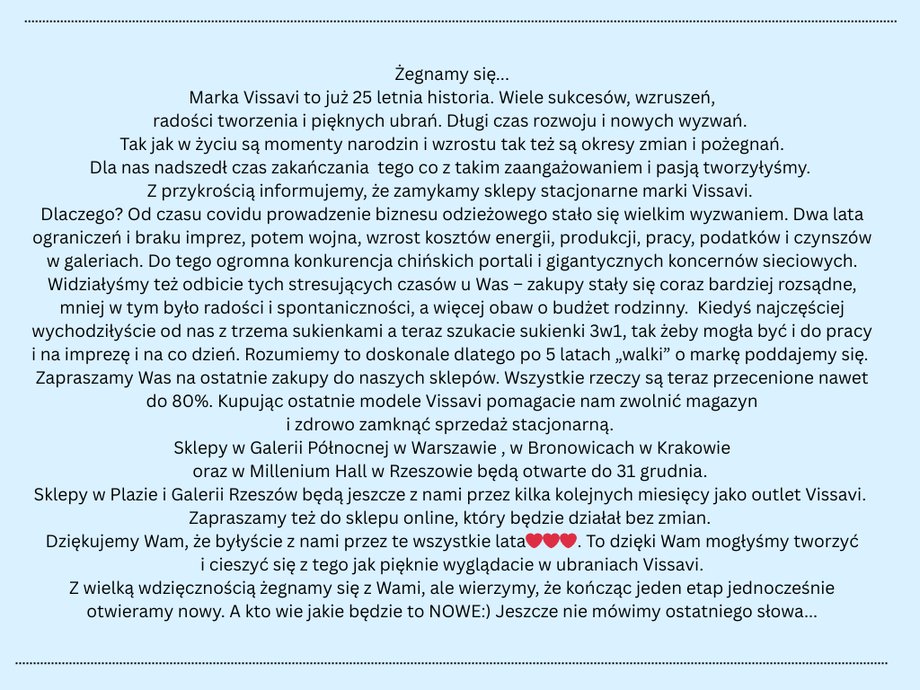
A farewell without bitterness The owner of the Vissavi brand posted this content on her social media profile
|
Vissavi
Worth reading: Statutory rollercoaster: the Sejm accelerates, the president vetoes and signs. The most important changes in the law [LISTA]
Dozens of comments from clients appeared under Vissavi's farewell post on Facebook. “Your dresses were with me at the most important celebrations”, “Quality that is no longer found today”, “It's a pity that such brands disappear,” they write.
– This news confirmed my belief that what we created had value – says Ms. Agata. The brand will remain online for some time, but the owner is very serious about selling the brand. – Maybe someone will give it new energy.
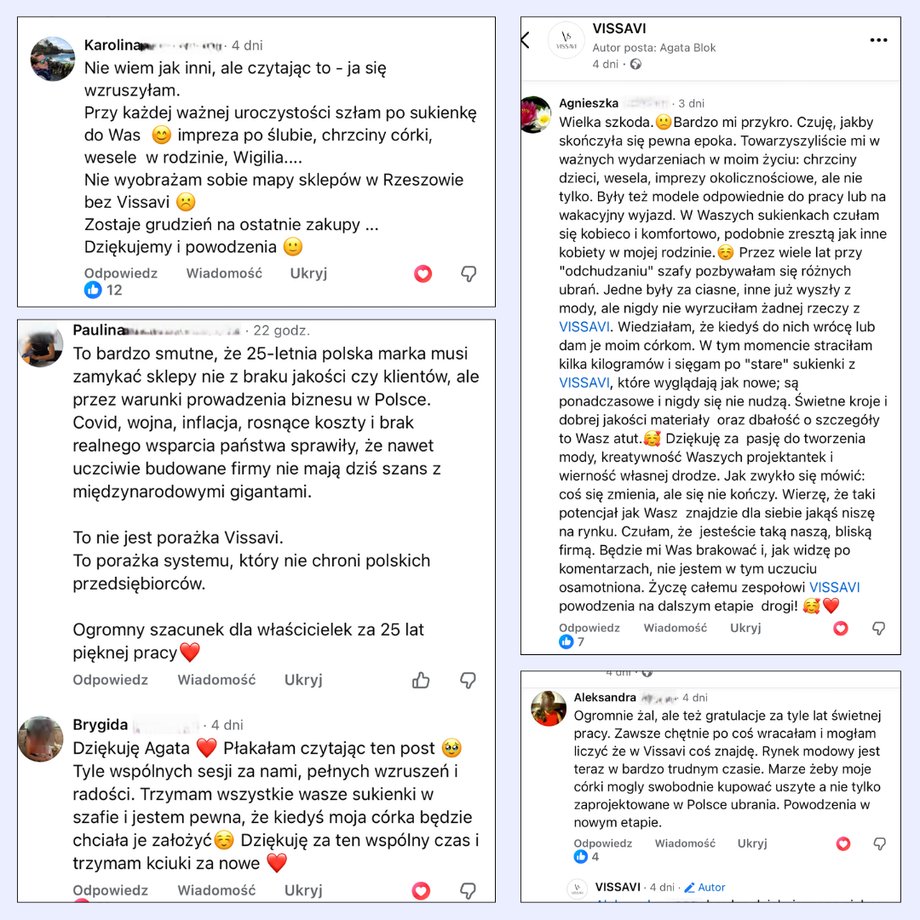
Screenshots of clients' comments under the farewell post
|
Vissavi
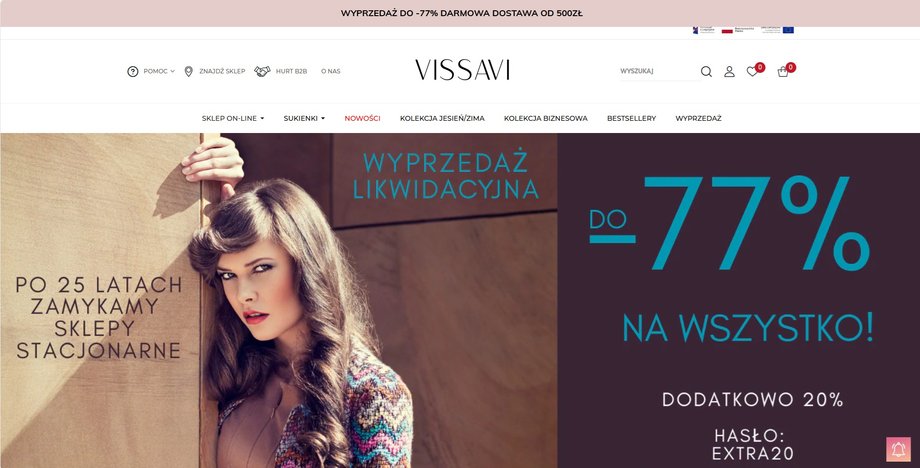
Currently, there is a sale related to the liquidation of stores
|
Vissavi
See also: The whole world is arming Poland. We buy this in individual countries [MAPA]
Applications before the holidays
— I'm not sharing this story to find someone to blame – emphasizes the heroine. — I want it to be an inspiration for reflection. So that in business – even the big one – the most important thing was the person.
In her opinion Galleries that can talk and look for solutions benefit in the long run. — A mall without tenants makes no sense. Contracts end eventually, but reputation remains.
This is perhaps the most important punch line of this story. Especially now, before the holidays – when it's easier to ask or behind tables in Excel you can still see the people, their work and 25 years of building something from scratch.