The blocking of the gaming platform Roblox once again confirmed that the Russian state is stuck in the previous century. Adults can suppress their dissatisfaction and wait for better times that will never come, but children do not have such skills. Kremlin spokesman Dmitry Peskov said that “many children” showed up at the president's annual end-of-year news conference to express their dissatisfaction due to the ban on using Roblox.
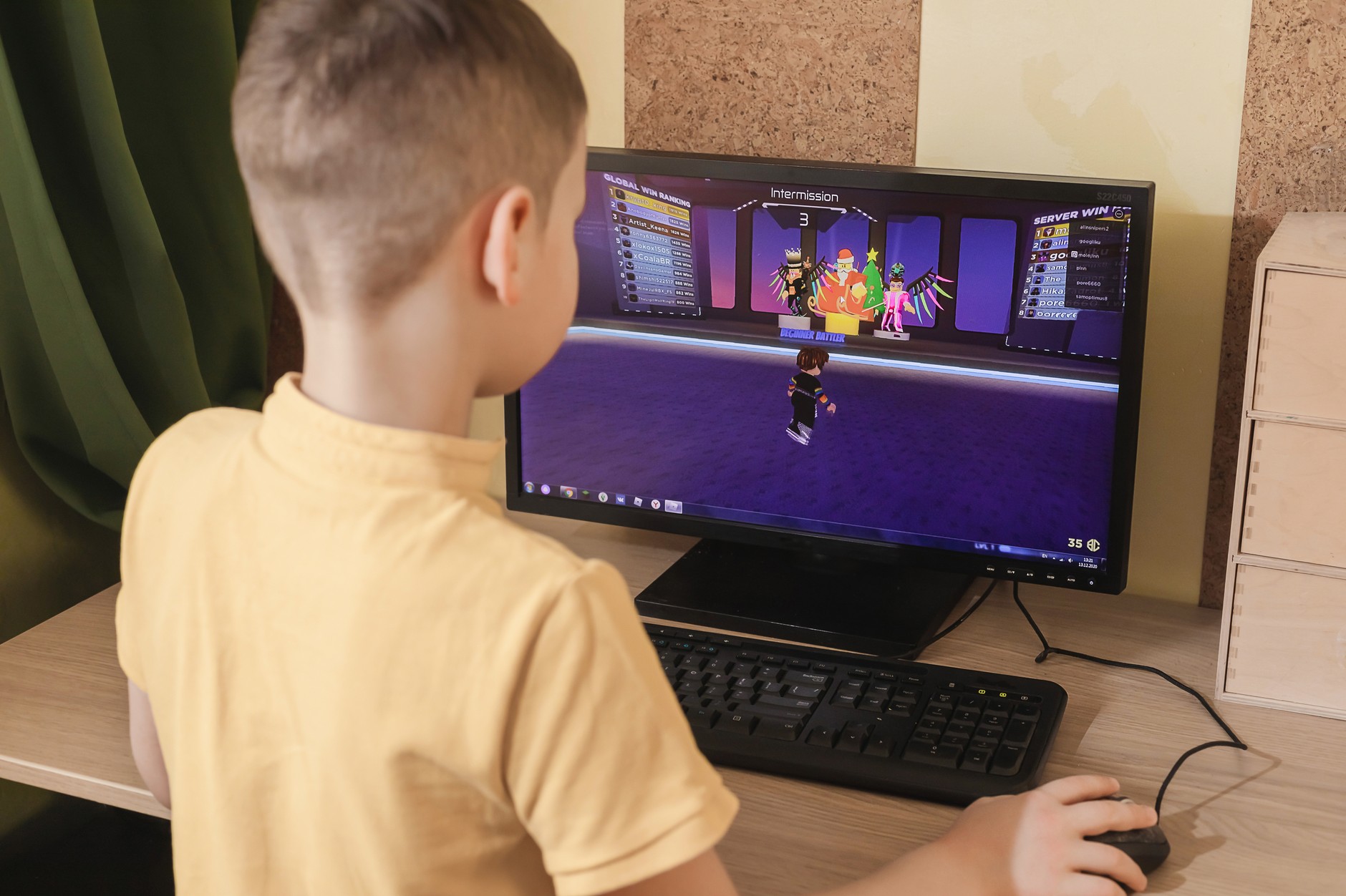
Roblox allows users to play together online in games they create. The risks are well known: under the laws of many countries such a large commitment [we współtworzenie gier] may border on exploitation of child labor. More importantly, these virtual worlds are easily penetrated by adults with malicious intentions, impersonating children.
The day after the ban was introduced, Ekaterina Mizulina – head of the Safer Internet League and a full-time whistleblower – used the situation for self-promotion, claiming that she had received tens of thousands of letters from devastated children. The Roblox developer itself even issued a statement that is ready to do everything to improve safety and comply with local regulations.
Apart from Mizulina's theatrical performances, children are unlikely to sit down docilely to play analog board games. A campaign to build a “sovereign internet” – cleaning up inconvenient sites and routing all traffic through the state-owned Max messenger – in fact, it is a greater threat to people over fifty. In this age group, many people are unable or unwilling to learn how to use new technologies and then pressure others to adapt – for example, demanding that their children abroad install Max because they do not want to use a VPN themselves.
The article continues below the video
It is difficult to imagine life in modern Russia without tools to bypass Internet censorship. It's a constant, Kafkaesque battle: Roskomnadzor blocks access to all websites, VPN programmers come up with increasingly clever ways to circumvent these difficulties, and application stores remove products at the request of the authorities, only to immediately replace them with other, almost identical ones.
The younger the Internet user, the greater the chance that he or she will find what he or she needs. The biggest problem is to convince parents to agree to pay for the best services. However, the children whom Mizulina supposedly protects will cope perfectly well without it.
This is how Soviet doublethink returned to Russia
Russia began building the legal basis for unconstitutional censorship in 2008, when Vladimir Putin handed over the presidency to Dmitry Medvedev. He signed a decree transforming the Federal Service for Supervision in the Sphere of Mass Communication, Communications and Cultural Heritage Protection (does anyone still remember this idiotic acronym – Rossviassokhrankultura?) into a more specialized institution: Roskomnadzor.
This diminutive man, whose career spans from elevator selfies to drunken incidents on X, is now remembered as a reformer — at least compared to Putin. That's it though during his short presidency, the infamous Internet Restrictions Act of 2012 was passed.
In 2014, during the annexation of Crimea and the shooting down of Malaysia Airlines flight MH17, State Duma deputy Andrei Lugovoy proposed blocking websites without a court decision. At this point de facto censorship was introduced in Russia.
The former diversity of public opinion was quickly forgotten. Soviet doublethink has returned: it was better to keep their views to themselves, and resistance to the imposed unanimity was passive. At the same time, the authorities did not stop – and do not stop – using the rhetoric of democracy and freedom of speech, thereby discrediting these concepts.
A boy playing on Roblox. Illustrative photoShutterstock
In 2018, the American organization Freedom House ranked Russia as… 53rd place out of 65 countries in terms of internet freedom. It was then that Roskomnadzor tried to block Telegram, which, paradoxically, only gained popularity thanks to restrictions on freedom of speech.
Children show sad bureaucrats a fig with a poppy
First there was Generation Z, now Generation Alpha, for whom life online is as real as contacts with peers at school. They look at bureaucrats in tacky jackets who claim that censorship is “for their good,” with exactly the pity these officials deserve.
Of course, nameless officials in gray suits can do real damage. They made the attack on Ukraine possible by treating human life like a shooting game. They turn everything they touch to mush – and in the process, systematically befuddling loyal citizens.
Meanwhile, it is the children – whom these officials keep dismissing as uncomprehending toddlers – who, through their very way of life, can show them the fig and the poppy seed. And it's already happening.
Russian officials have always looked frivolous. But in a full-scale war, they have never been this funny. In times of peace, such degradation could bring a smile to those who still think. There's nothing to laugh about today: Stiff decision-makers have plans that make your hair stand on end. However, no matter what devastation they wreak in their rusty world of blood, dirt and the so-called traditional values, the digital world still does not belong exclusively to them.
I’m Ashley Davis as an editor, I’m committed to upholding the highest standards of integrity and accuracy in every piece we publish. My work is driven by curiosity, a passion for truth, and a belief that journalism plays a crucial role in shaping public discourse. I strive to tell stories that not only inform but also inspire action and conversation.