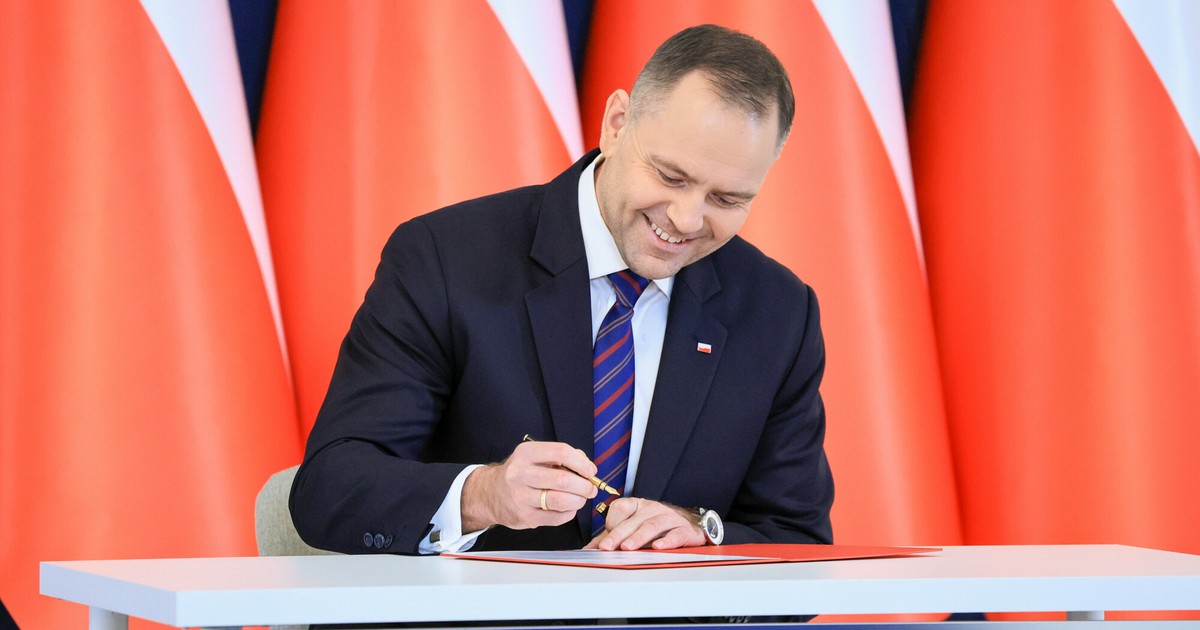
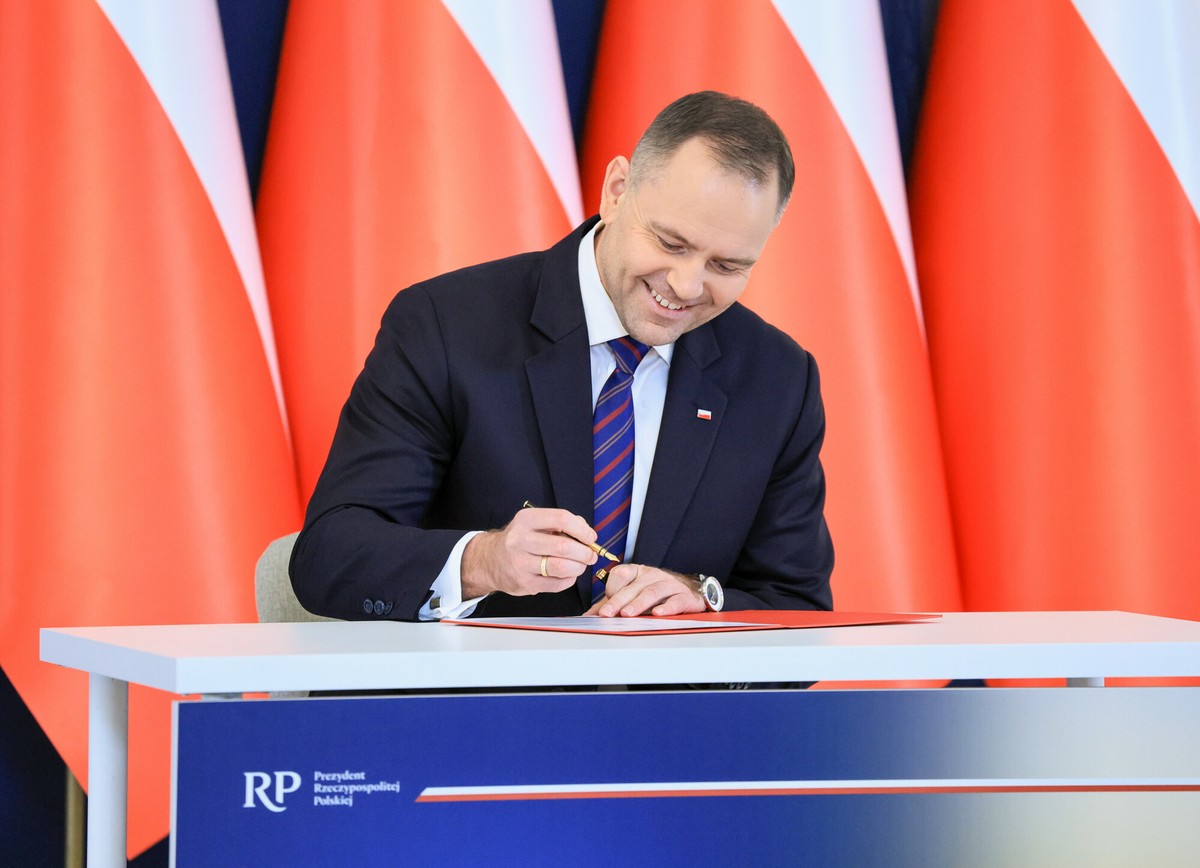
The teacher will receive remuneration for unfulfilled overtime hours if it was due to reasons beyond his control – provides for the amendment to the Teacher's Card Act signed on Thursday by President Karol Nawrocki. The regulations will enter into force on January 1, 2026.
“The act responds to the real expectations of the teaching community,” the president said in a recording posted on the X platform on Thursday evening.
Signature of Karol Nawrocki. Teachers will receive compensation
Pursuant to the regulations, remuneration for unfulfilled overtime hours will be due in each case when the teacher's failure to complete the hours of teaching, educational or care activities assigned to him was due to reasons not attributable to the teacher, and the teacher was ready to carry out these activities.
See also: Crisis in schools? “Now a 40-year-old teacher is a young teacher”
Teachers will also receive compensation for the period from September 1 to December 31, 2025. They are to be paid by June 6, 2026.
Overtime hours are hours of classes or lessons assigned to a teacher in excess of the mandatory working hours.
Karol Nawrocki's veto
Not everything that came out of the Sejm was appreciated by Karol Nawrocki and his team of advisors. The President vetoed an amendment to the Education Law enabling, among other things, implementation of curriculum reform.
See also: How much does a teacher earn? Some would say it's not a lot at all
“I cannot consent to such a law. This is a reform leading to chaos, ideologization of the school and experimentation on entire age groups of children. – said the president in a recording published on the X platform on Thursday evening.
The amendment to the Education Law and some other acts changed, among others: definition of the core curriculum for preschool education and the core curriculum for general education. They were to clearly and precisely define educational goals and learning outcomes, and be consistent internally and between subjects. They introduced work methods such as educational experience.
The change in the core curriculum for preschool education and the core curriculum for general education is planned for gradual implementation, starting from the school year 2026/2027 in kindergartens and in grades I and IV of primary school, and from the school year 2027/2028 in grades I of secondary schools.
The amendment also introduced, among others: changes in the scope of pedagogical supervision, including the abandonment of the obligation for the education superintendent to issue opinions on the organization sheets of public schools and institutions, an increase in the amount of the fee paid when applying for approval of a textbook for school use, and an increase in the amount of textbook subsidies. It also restored, from the 2026/2027 school year, the April date of the eighth-grade exam. It also resigned from conducting the Matura exam in Latin as an alternative to the exam in a modern foreign language.