The Western alliance may finally have a clear plan of action on how to dismantle Russia's highly touted air defense behemoth, the S-400 Triumf system, and that without firing a single shot.
A new research report, published on Friday, December 12 by London's leading think tank, the Royal United Services Institute (RUSI), exposes the design weaknesses of Russia's flagship anti-aircraft system. The document reveals that the weapons that Moscow presents as a “self-sustaining technological marvel” are in fact extremely susceptible to disruption – both through effective sanctions enforcement and through kinetic strikes.
The report, titled “Disrupting Russia's Air Defense Production: Taking Back Control of the Skies,” found that Russia's ability to produce and sustain the most advanced air defense systems relies on fragile overseas supply chains, unsanctioned production hubs, and an industrial base that is increasingly within reach of Ukrainian long-range strikes.
Russia's air defense is a colossus with feet of clay – dependent on foreign supplies, vulnerable to sanctions and physically vulnerable to strikes. The key question is whether allies will finally decide to move from analysis to coordinated action.
In an interview with the Kyiv Post, Dr. Jack Watling, one of the authors of the report and senior analyst for land forces at RUSI, emphasized that the report's findings indicate a broader strategic failure of Ukraine's partners. It is about the inability to translate knowledge about Russian weaknesses into coordinated, real actions.
This report examines the vulnerabilities of the entire Russian air defense production ecosystem
Watling said.
“It shows a key dependence on foreign technologies, materials and supply chains,” he added.
He also said that breaking these dependences is of fundamental importance not only for Ukraine's situation on the battlefield, but also for the security of Europe as a whole.
The core weakness of the S-400 system is its dependence on foreign microelectronics, including components manufactured in the United States. This element is one of the key bottlenecks in Russian production.
The report identifies the material RO4003C – a high-frequency laminate manufactured by US-based Rogers Corporation – as a critical component of the S-400 radar architecture. Such materials are necessary to build modern active phase scanning radars, and Russia is unable to mass produce them on its own.
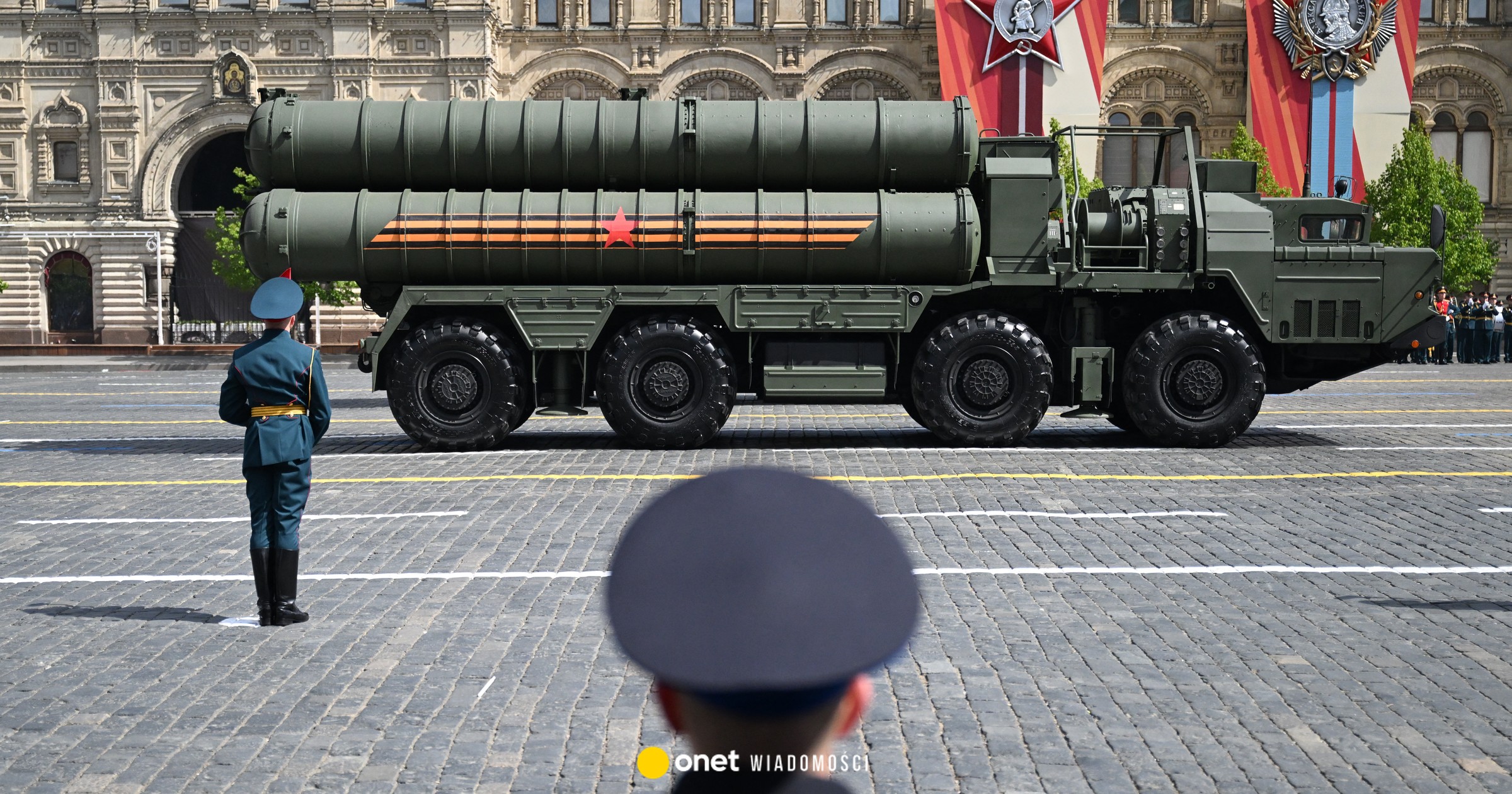
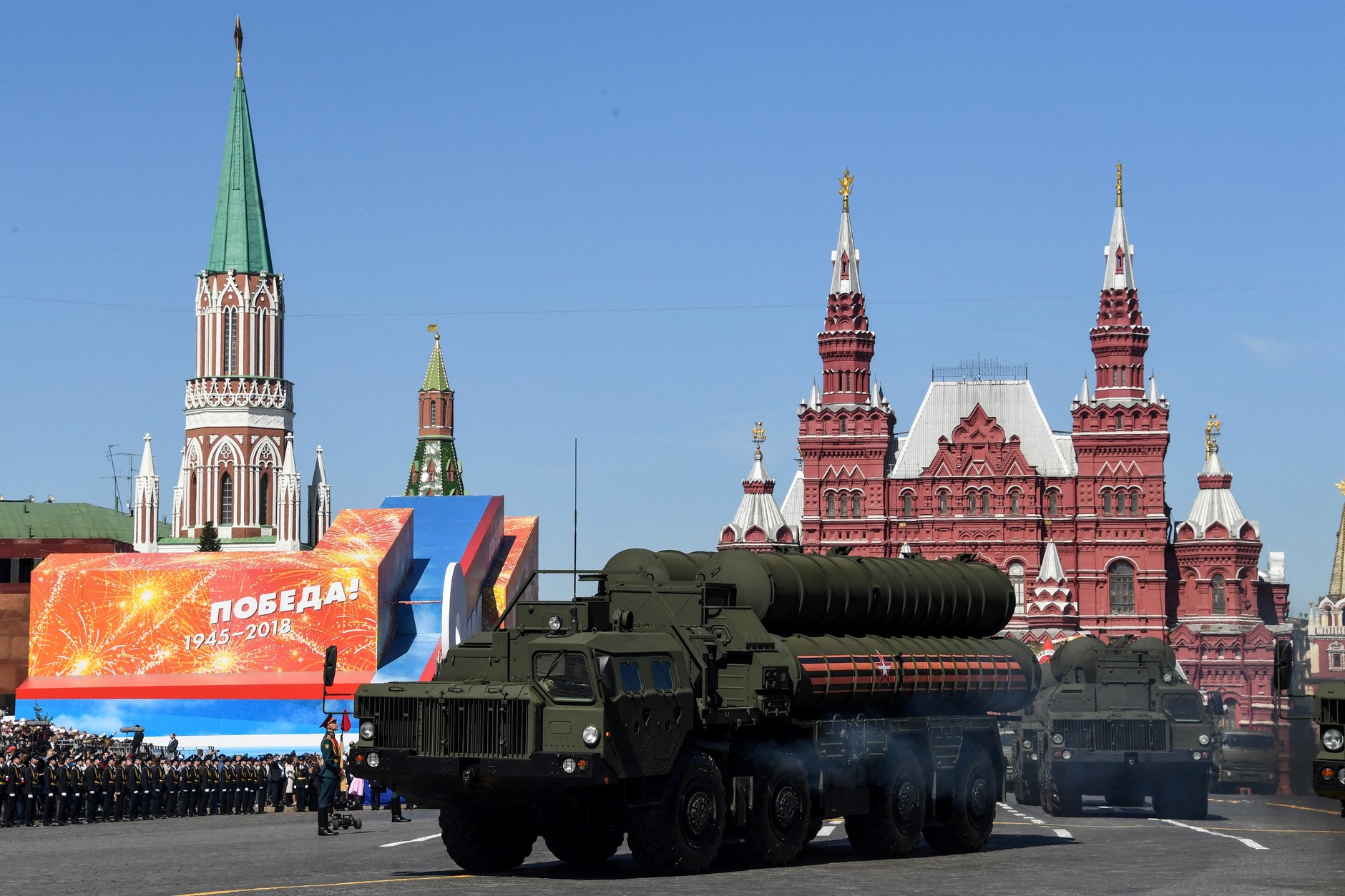
Russian S-400 Triumph missile systems pass through Red Square during the Victory Day military parade in Moscow, Russia, May 9, 2018.Kirill KUDRYAVTSEV / AFP / AFP
Despite U.S. export restrictions, the report documents how Russian defense companies continue to obtain these components through intermediaries — mainly through China and Hong Kong.
In some cases, Chinese suppliers even openly advertise their products as intended for Russian radar systems. According to the report's authors, this proves not so much the weakness of the law, but rather the insufficient enforcement of sanctions.
Watling emphasized that the problem with the current sanctions policy is not the regulations, but their implementation.
“We need to expand sanctions enforcement and strengthen cooperation in this area,” he said. — The mere adoption of sanctions means little if we still see quite obvious circumvention of them.
This suggests that states are not vigilant enough to ensure that sanctions are actually complied with
– he warned.
He added that these gaps most often result from insufficient exchange of intelligence information and limited administrative capabilities of partner countries, and not from a lack of legal tools.
Logistics under the radar
In addition to Western electronics, the report also reveals key Russia's dependence on raw materials from Central Asia — specifically, beryllium oxide ceramics, essential for the production of high-performance radar components.
This is another point of geographic vulnerability. According to RUSI, the key supplier of these materials for Russian air defense is the Kazakh company Kaz Ceramics LLP. This company – together with its related entities – is said to be aware of the sanctions risk and is actively reorganizing logistics to avoid inspections.
More and more often, supplies are routed through the Russian subsidiary Zenit LLC based in Novosibirsk, which allows it to supply major Russian importers from the arms sector without triggering sanctions mechanisms.
Watling warned that simply imposing sanctions on such entities may not be enough and called for a more creative approach.
If I impose sanctions on a Kazakh factory producing beryllium oxide ceramics for radar, it will probably sell to Russia anyway, because it is its only real customer. It may be much more effective to simply outbid the Russians and buy the entire production.
– he said.
Other solutions, he added, could include purchasing shares in critical companies or permanently eliminating key raw materials from Russia's reach. However, this requires coordination and real ingenuity, not just symbolic gestures.
Sanctions synchronized with strikes
One of the most important conclusions of the report is that Russian air defense production is not only susceptible to sanctions, but also physically exposed to Ukrainian long-range strikes.
The plants responsible for producing the S-400 guidance and control systems are concentrated in a small number of locations, several of which are within range of Ukraine's developing strike capabilities.
However, Watling emphasized that the attacks alone will not be enough – without parallel economic activities, their effect will be short-lived.
— If the Ukrainians attack the factory, they can shut it down from production for three months if they damage the machine tools, he said. — But if the plant is not subject to sanctions, the Russians will simply buy new machines and production will continue. This will only be a temporary delay.
In his opinion, the real effect comes only after combining military action with diplomacy and sanctions — first hitting and then preventing the recovery of production capacity.
— Today we have a situation in which the military is talking to the Ukrainian military, and our foreign ministries are in contact with the Ukrainian Ministry of Foreign Affairs, Watling noted. — However, there is a lack of synchronization between what the Ukrainian military is doing and what our governments are doing in terms of sanctions and their enforcement.
Growing missile deficit
The report also highlights Ukraine's growing indigenous strike capabilities, including the recently unveiled Flamingo cruise missile. According to Ukrainian sources, it has a range of up to 3,000 km and a heavy warhead designed to destroy fortified targets.
In this context, shortages in the S-400 supply chain become a critical factor. If the expansion of production is effectively disrupted, Russia – as Watling points out – will face a growing problem: the inability to replenish its stock of interceptor missiles at the pace necessary to counter the Ukrainian long-range strike campaign.
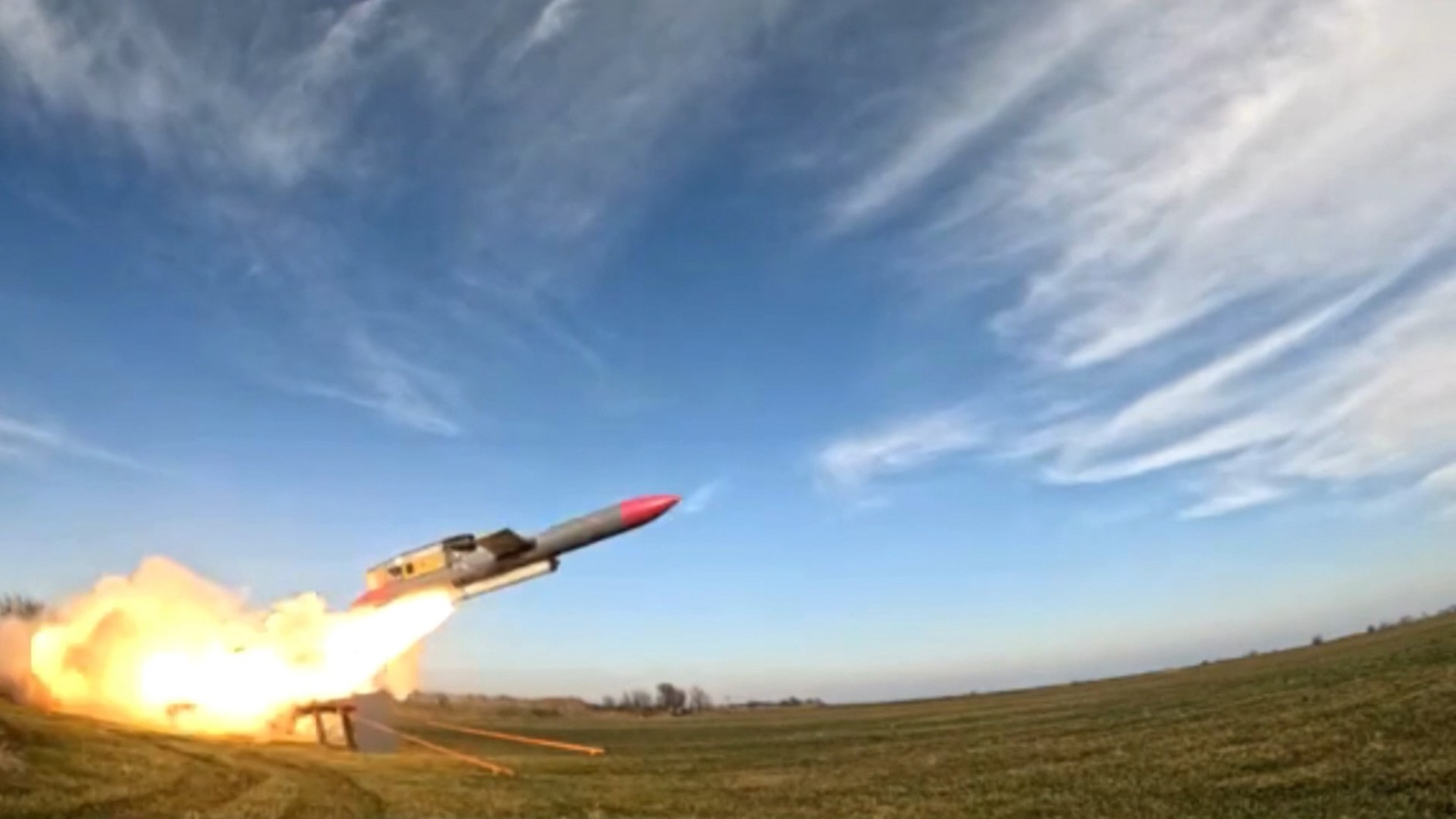
Launch of a long-range cruise missile known as Flamingo, Ukraine, August 26, 2025.Handout / ZN.UA / AFP / AFP
“The Russians want to increase production to keep up with the rate of consumption of interceptors,” he said. — But they currently have a clear deficit.
Blocking the expansion of production capabilities may, over time, lead to a real shortage of air defense missiles, which will make Ukrainian strikes more and more effective.
Illusion for sale
The report's conclusions have a much broader significance than the war in Ukraine itself. Russia is already experiencing delays in the implementation of foreign contracts for S-400 systems, including orders for India. According to Watling, further delays could undermine export revenues, on which the Russian arms industry is heavily dependent.
If Russia is unable to sell its systems abroad, it will be difficult for it to generate the revenues needed to maintain production
— he said, emphasizing that several companies involved are already in a difficult financial situation.
The report also raises questions for countries that already use S-400 systems. Whether Russia will be able to deliver spare missiles and provide long-term service support in crisis conditions, especially if key components remain unsanctioned, exposed or already compromised thanks to foreign knowledge of the system's design.
Watling confirmed that the research team had identified “over 70 serious vulnerabilities in the Russian air defense production chain“Many of them were deliberately omitted from the public version of the report so as not to warn Moscow before taking specific actions.
“The key is to understand what actually takes these abilities out of play and then take the appropriate steps,” he concluded. — So that the effect is truly destructive, and not just for show.
The S-400 system, once touted as an impenetrable shield, now appears as a much more fragile structure – based on global supply chains, production bottlenecks and political reluctance to act decisively in Western capitals.
Therefore, Ukraine's partners face a choice: whether to transform this knowledge into specific actions. Whether these weaknesses are exploited may determine not only how the war is fought, but also how – and on whose terms – it ultimately ends.
I’m Ashley Davis as an editor, I’m committed to upholding the highest standards of integrity and accuracy in every piece we publish. My work is driven by curiosity, a passion for truth, and a belief that journalism plays a crucial role in shaping public discourse. I strive to tell stories that not only inform but also inspire action and conversation.