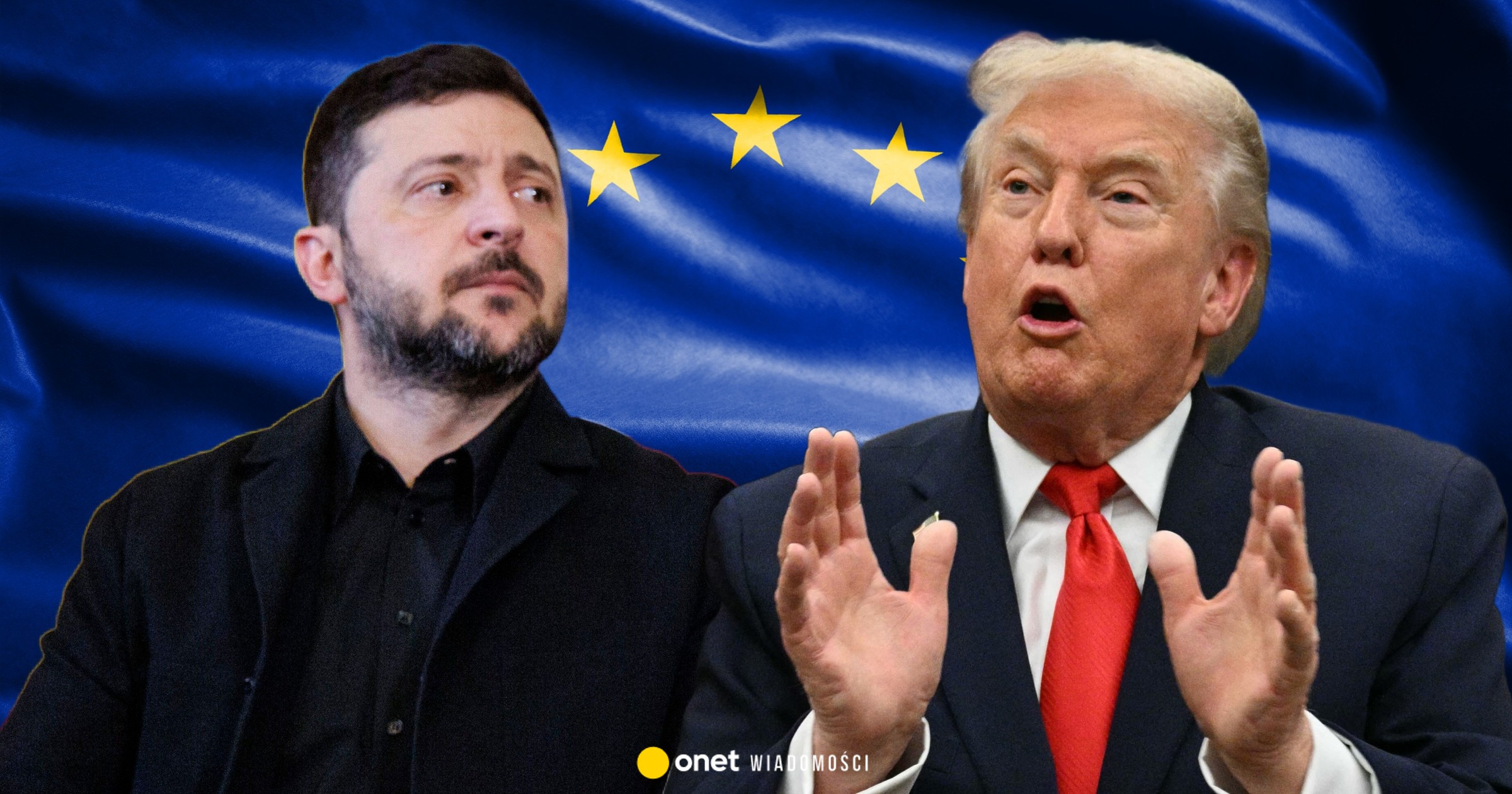
US President Donald Trump on Friday, December 12, presented his typically balanced, if ambiguous, assessment of the ongoing efforts to negotiate peace in Ukraine.
-We'll see what happens. We are working to see if an agreement can be reached now. We'll see. We'll find out soon. “I think we're going to see a lot more death,” Trump told reporters in the Oval Office, referring to the huge death toll.
But behind these cautious words there is much more than just diplomatic restraint. In the coming days, the eyes of the world will turn to Berlin, where it will be decided whether the West will be able to reach a common position and turn political declarations into a real peace plan.
At stake are not only negotiations with Moscow, but also the unity of allies and the answer to the question of how much the West is willing to pay to end the war. Time is running out, and each “we'll see” means more victims on the front.
When asked about the details of his proposal to create a “free economic zone” in Donbas – the region occupied by Russia in 2014 and the arena of the current conflict – Trump avoided clear answers.
— I don't want to go into details now. “It's a very complicated situation, but it would work and a lot of people want it to work,” he said. — The only thing I really want is to stop 25,000 deaths. Ukrainians per month, he added.
Diplomatic offensive
Behind the scenes, the White House is mobilizing forces to translate this overall vision into a viable negotiating strategy.
A US official familiar with the matter confirmed that White House peace envoy Steve Witkoff and Trump's son-in-law, Jared Kushner, will meet with Ukrainian President Volodymyr Zelensky and European leaders in Berlin in the coming days.
Before the main summit, Witkoff is scheduled to meet with national security advisers from France, Britain and Germany on Sunday, December 14, and possibly also on Monday, December 15.
This move clearly shows that the issue has become a top priority for Washington. The American administration is aware that without a quick agreement with Kiev on key issues – such as the scope of concessions, security guarantees or the future status of the disputed territories – peace talks may stall.
Therefore, the White House is intensifying diplomatic activities, trying to bridge the remaining differences in positions as quickly as possible and develop a common, coherent negotiating line before the start of decisive talks with European partners and Russia.
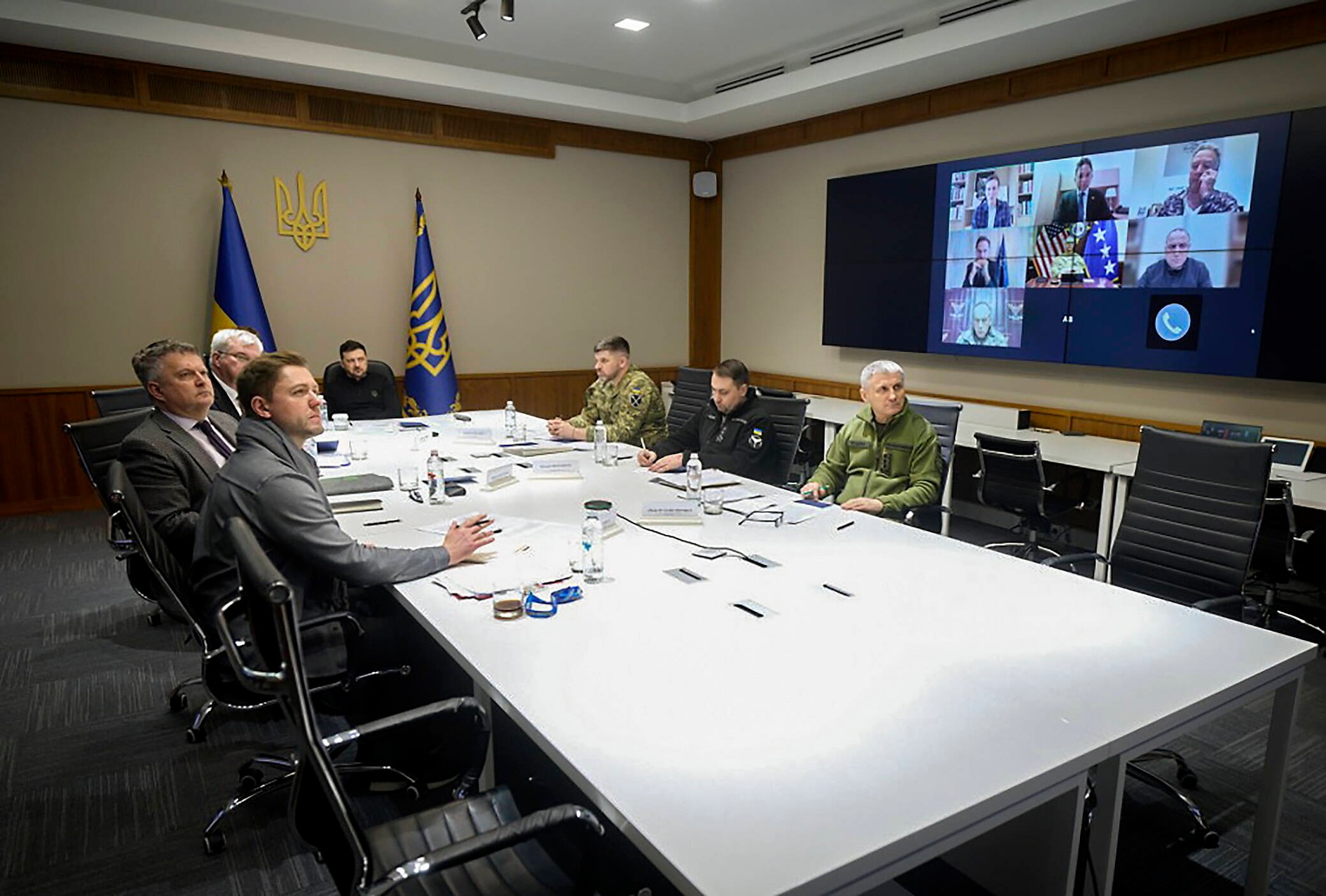
Ukrainian President Volodymyr Zelensky (center) with members of his team during a video conference with US officials on one of the three key peace documents, Kiev, Ukraine, December 11, 2025.PAP
French President Emmanuel Macron, British Prime Minister Keir Starmer and German Chancellor Friedrich Merz are scheduled to take part in Monday's talks.
It is worth noting that Secretary of State Marco Rubio will not attend in this round of talks – as he is not planning a trip to Europe this weekend.
Key negotiations lie ahead
A representative of the Elysee Palace announced on Friday, December 12, in the evening that Ukraine, the United States and European powers are still working on developing a common position that could become the foundation of a future peace agreement.
These include: potential security guarantees for Kiev that could be presented to Moscow.
— Our goal is to create a common, solid basis for negotiations. This common ground must unite Ukrainians, Americans and Europeans, the official said.
It should allow us to jointly present a negotiating offer – a serious, lasting peace proposal, consistent with international law and respect for Ukraine's sovereignty, and one that American negotiators will be prepared to present to the Russians
– he added.
While no joint document has yet been finalized, talks will continue in the coming days through meetings and telephone calls.
The real problem lies elsewhere
Western diplomats involved in the talks, speaking to the Kyiv Post on condition of anonymity, describe the current phase as “preparatory, but extremely delicate“, emphasizing that time is running out and the cost of human suffering is constantly increasing.
The problem today is not Moscow, but the agreement between Kiev and Washington on the final price for peace
— admitted one high-ranking Western official.
— We have a general outline, but translating the slogan “let's make a deal” into a real document means many sleepless nights in Berlin,” added another European diplomat.
For now, Trump's approach remains open and ambiguous. Reflects a mix of caution and unpredictabilitywhich became his trademark.
“We'll see,” he repeated almost like a mantra as the White House prepared for the test, whether diplomatic announcements could finally be turned into a real path to ending the war.
The question remains whether the “art of doing business” can really be applied to the art of war – or whether this risky political gambit will end in spectacular failure at the Berlin airport.
I’m Ashley Davis as an editor, I’m committed to upholding the highest standards of integrity and accuracy in every piece we publish. My work is driven by curiosity, a passion for truth, and a belief that journalism plays a crucial role in shaping public discourse. I strive to tell stories that not only inform but also inspire action and conversation.