How to eliminate liquid retention through nutrition. Why does the bloating sensation appear

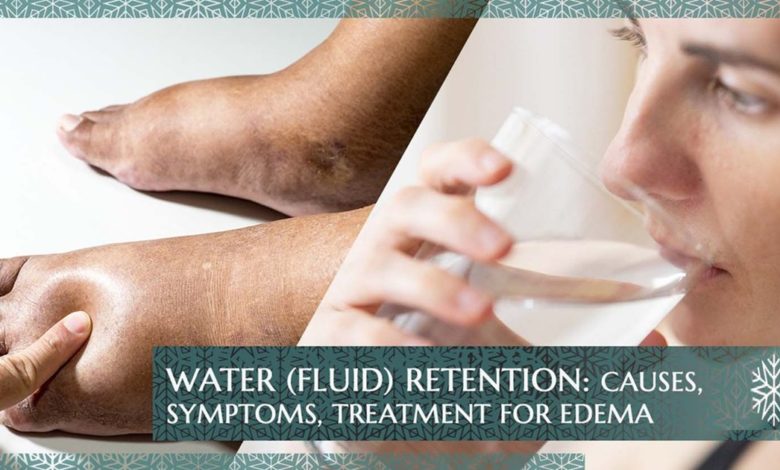
Liquid retention is a common problem that affects many people, but proper diet and simple habits can help managing it. Discover the recommendations of an expert to feel easier.
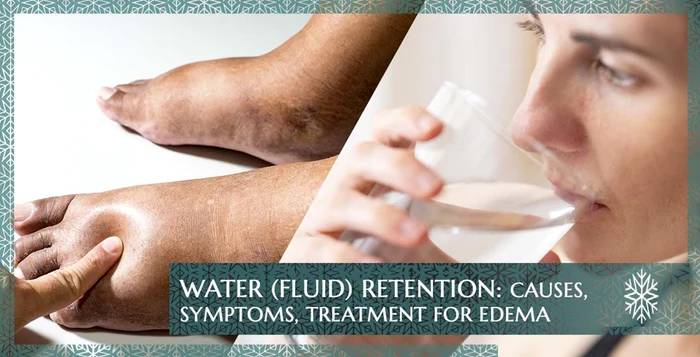
Liquid retention can be fought by food and simple habits photo blog Svalbardi com
This problem is frequently manifested in certain periods of the month, when the temperatures are high, after a long journey or after periods when we stand for a long time. The sensation of bloating appears suddenly and can be accompanied by discomfort, making you feel swollen, heavy and even painful.
But what does it mean, actually, “Retention of liquids”? It is about excessive accumulation of water in body tissues. It is not necessarily related to the amount of water consumed, but rather to how the cells and kidneys process the fluids and the efficiency of the lymphatic system in their management.
Causes of liquid retention
There are several factors that can contribute to liquid retention:
- Hormonal changes (eg during the menstrual or perimenopause cycle)
- A diet rich in salt or processed foods
- Lack of movement
- Long travelers or prolonged state periods on the chair
- Disorders of the lymphatic or circulatory system
By focusing on the diet, there are a few simple adjustments that can help reduce liquid retention and improve the general well-being, according to the expert's recommendations consulted by El Español.
How the water retention retention in the body influences
The connection between nutrition and how the body eliminates excess liquids is direct. When consuming too salted, sweet or ultra -home foods, the body enters “Defense mode” and retains water to compensate for an internal imbalance. Although the effects are not always visible immediately, the retention of liquids accumulate gradually.
Therefore, the solution does not consist of a three-day detox cure, but in a re-evaluation of daily habits. No pressure, we can start making choices that send the body a clear message: “Everything is okay, you can give up what is no longer useful.”
What habits help you more than you think in the fight with water retention
- Move daily, at least a little
Whether it's a walk, a few stretches or dance in the kitchen, it's important to move. The lymphatic system, responsible for eliminating toxins, does not have a “pump” own like the heart, so it needs movement to function correctly. Sometimes it may seem difficult to start, but we are talking about 2 minutes, not 2 hours.
Even if you face retention, do not avoid liquids! Water, teas or light soups helps the body eliminate toxins and regulate the level of liquid.
- Keep stress under control
An increased level of cortisol (stress hormone) favors water retention. Breathe deeply, take breaks and prioritize what matters. Slow down the rhythm, where you can.
- Don't neglect magnesium and potassium
These are two important allies for the balance of fluids in the body. They are found in fruits, vegetables, legumes, nuts and seeds, and if necessary, you can resort to supplements (but only at the recommendation of a specialist).
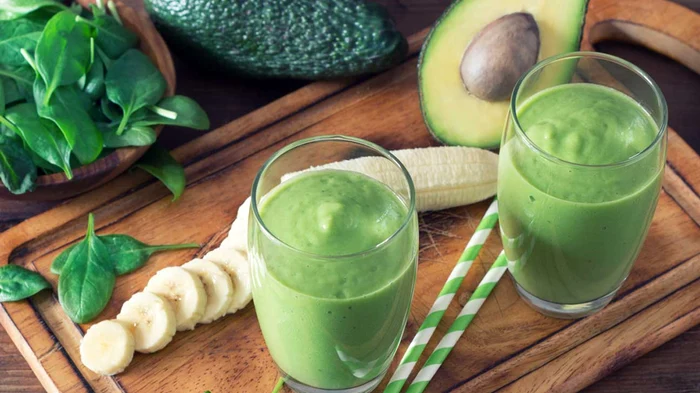
Foods that help in fighting with water retention Healthline com
What foods help you “release” the excess water from the body
Here begins the beautiful side: when the food becomes part of your routine of care for you. In order to support intestinal health, it is important to choose foods that contribute to good digestion and effective elimination of toxins in the body. There are also a number of combined foods that prevent bloating, as is the case with the combination of pineapple and ginger. Here are some of the most beneficial food categories that support the elimination of liquids:
Potassium -rich fruits and water: Pineapple, watermelon, melons, strawberries, grapes, well -baked bananas. They hydrate, remineralize and support natural drainage.
Vegetables with natural diuretic effect: asparagus, artichokes, apio celery, cucumber, pumpkin, parsley. They are easy to integrate into soups, salads or smoothies.
Seeds and walnuts (ripe, without added salt): Excellent sources of magnesium, healthy fiber and fats, which support digestion and fight inflammation.
Plant infusions with drainage effect: Dandelion, horse tail, nettle, hibiscus. These are ideal between meals to stimulate the elimination of toxins.
“Clean” proteins: Eggs, fish, well cooked legumes. These help the liver, support cell regeneration and do not charge the body.
Good fats: Avocado, extra virgin olive oil, nuts. They have anti -inflammatory effect and provide satiety without causing retention.