On Monday, European justice and home affairs ministers approved new measures allowing EU countries to expel rejected asylum seekers, set up application processing centers and deportation centers outside their borders. These are the means which Copenhagen has long advocated.
The agreement was “the fruit of many years of work,” said Rasmus Stoklund, Denmark's center-left integration minister who led migration negotiations during his country's six-month presidency of the EU Council.
Stoklund told POLITICO that when he first started working on the migration issue in the Danish parliament 10 years ago, his colleagues in left-wing parties across the European Union considered his government's position so outrageous that other social democrats did not even want to meet with him. In his opinion, over the last few years “There has been a huge change in the perception of this issue“.
When the deal was reached on Monday, the “sigh of relief” from ministers and their advisers was palpable – people hugged each other and praised both the Danish intermediaries and Ursula von der Leyen's European Commission, which presented the original proposal, said a diplomat present.
Swedish Migration Minister Johan Forssell told POLITICO that Monday's agreement was crucial “to maintain any public confidence in the current migration system.” “We need to show that the system works,” he added.
Stockholm, which has historically prided itself on a liberal approach to migration, recently underwent a radical change and adopted the Danish modelintroducing strict measures limiting family reunification, tightening the rules for obtaining Swedish citizenship and limiting social benefits for new arrivals.
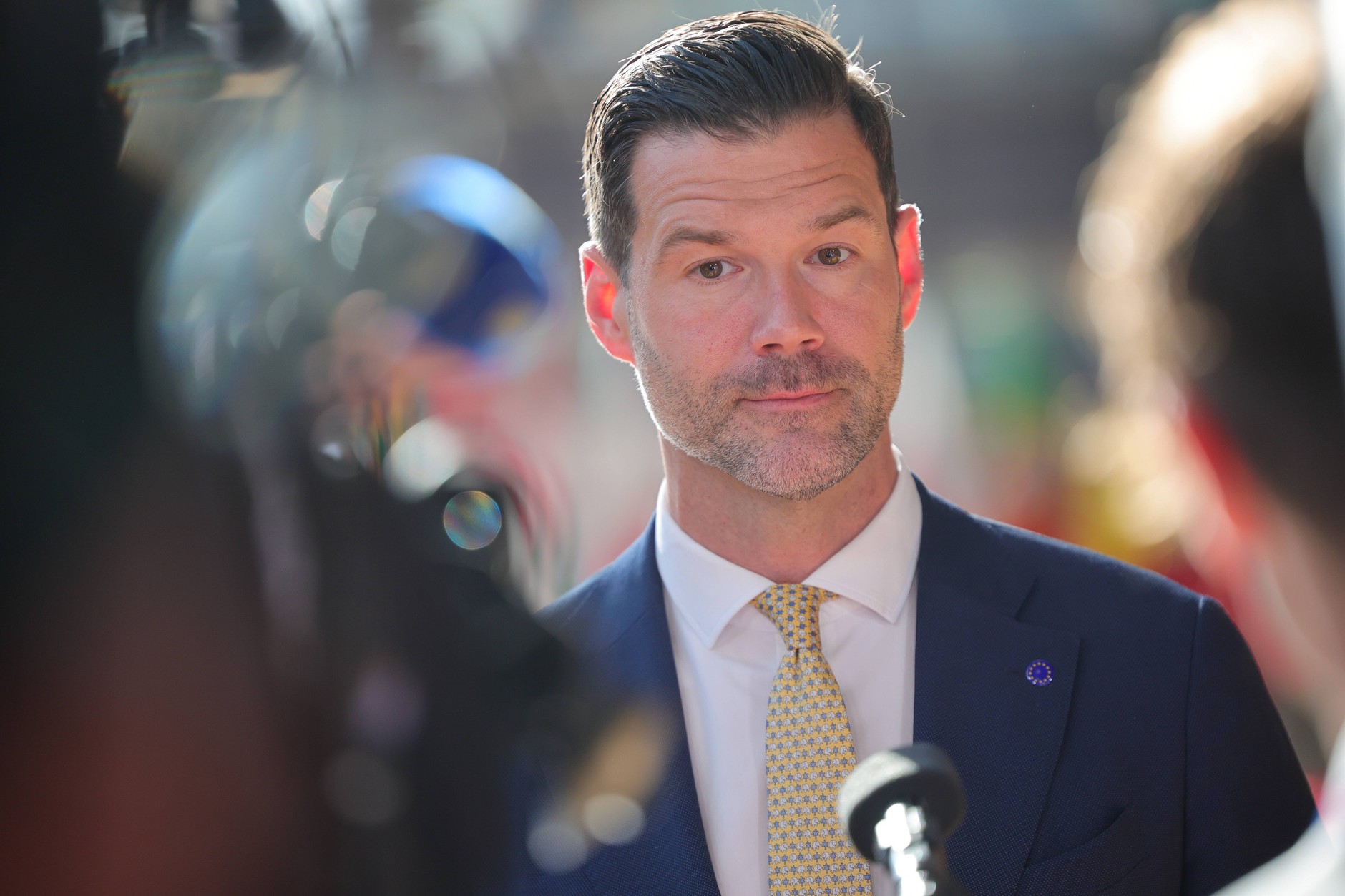
Swedish Minister for Migration Johan ForssellEpa/OLIVIER MATTHYS / PAP
Forssell said the agreement was important because “many people” in Europe criticize the EU for inaction on migration “because their governments cannot do what they want on their own.” [powinno być zrobione] at national level.” In his opinion, this issue is a perfect example of “why the European Union must be strong.”
Pressure from voters
The agreement adopted on Monday – the effects of which, Stoklund said, “will hopefully be noticeable” – comes two years after the EU signed a new law regulating asylum and migration, which must be implemented by June
“Voters have made it clear to governments across the European Union that they cannot accept that they are unable to control the flow of immigrants into their countries,” Stoklund said.
“Governments have realized that if they do not take this issue seriously, voters will support more populist movements that address it — and use more drastic measures to find new solutions,” he added.
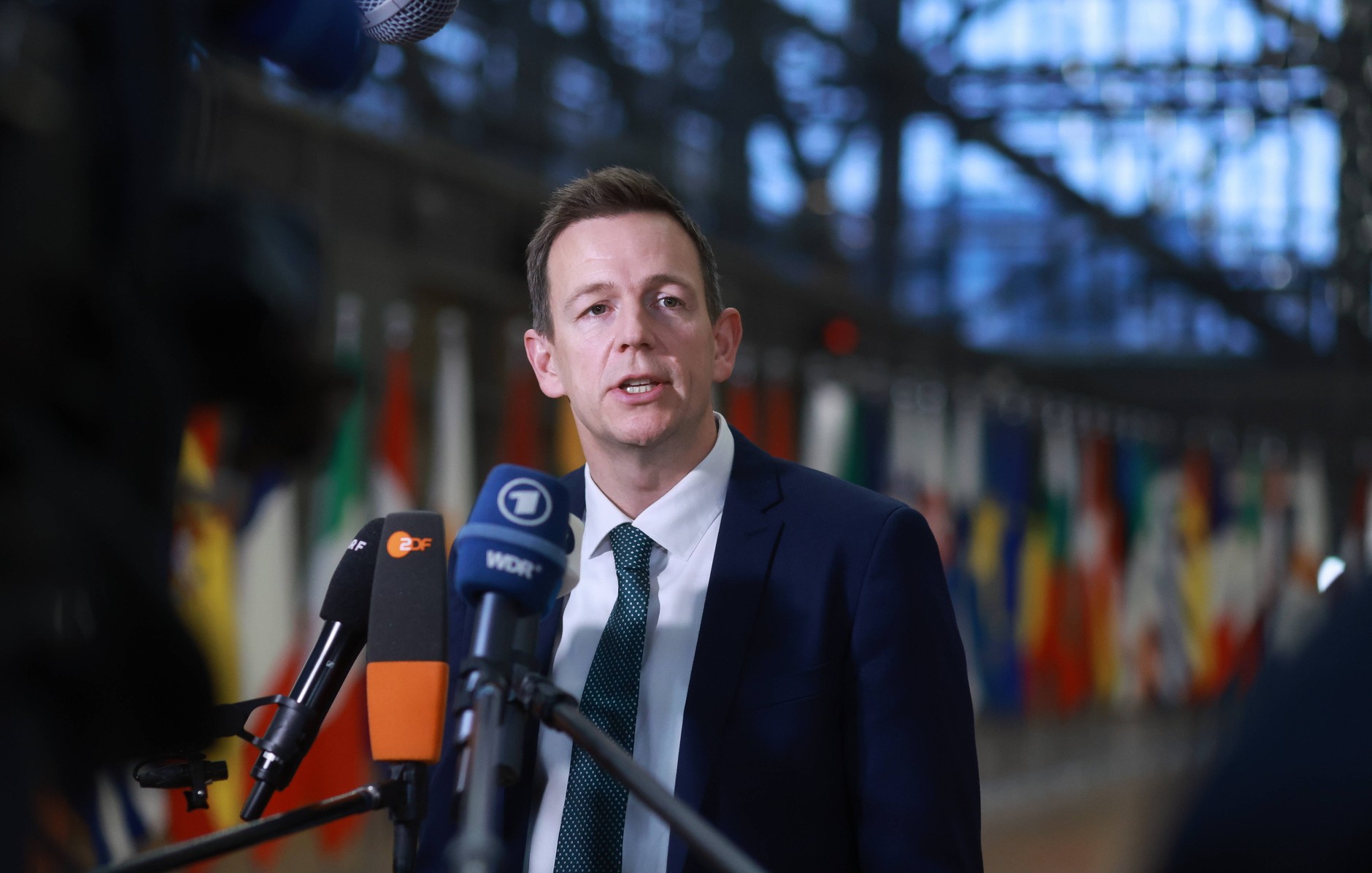
Danish Minister for Integration Rasmus Stoklund in Brussels, December 8, 2025.OLIVIER HOSLET / PAP
Migration Commissioner Magnus Brunner, the Danish Presidency of the EU Council and ministers emphasized that Monday's agreement shows that The EU is able to reach consensus.
Brunner pointed out that after the last elections to the European Parliament in 2024, the “first task” of the new Commission was “to put our European community in order.” – Today we are showing that Europe can really act and we have achieved quite a lot, he added.
Changes in migration regulations
Ministers supported new rules on the detention and deportation of migrants, including measures that will allow the EU and individual countries to conclude agreements to set up migration processing centers in other countries, regardless of whether the people transferred there have links with those countries.
Ministers backed changes that will allow capitals to reject applications if asylum seekers could have obtained international protection in a non-EU country that the bloc considers safe before first entering the EU, and approved a common list of countries of origin considered safe.
Bangladesh, Colombia, Egypt, India, Kosovo, Morocco and Tunisia are on this list, as are countries candidate to join the EU. However, the agreement leaves room for exceptions, such as Ukraine, which is at war.
Asylum seekers will not have an automatic right to remain in the EU while appealing against decisions rejecting their asylum application.
The next step will be to negotiate these measures with the European Parliament once it takes a position on the proposal.