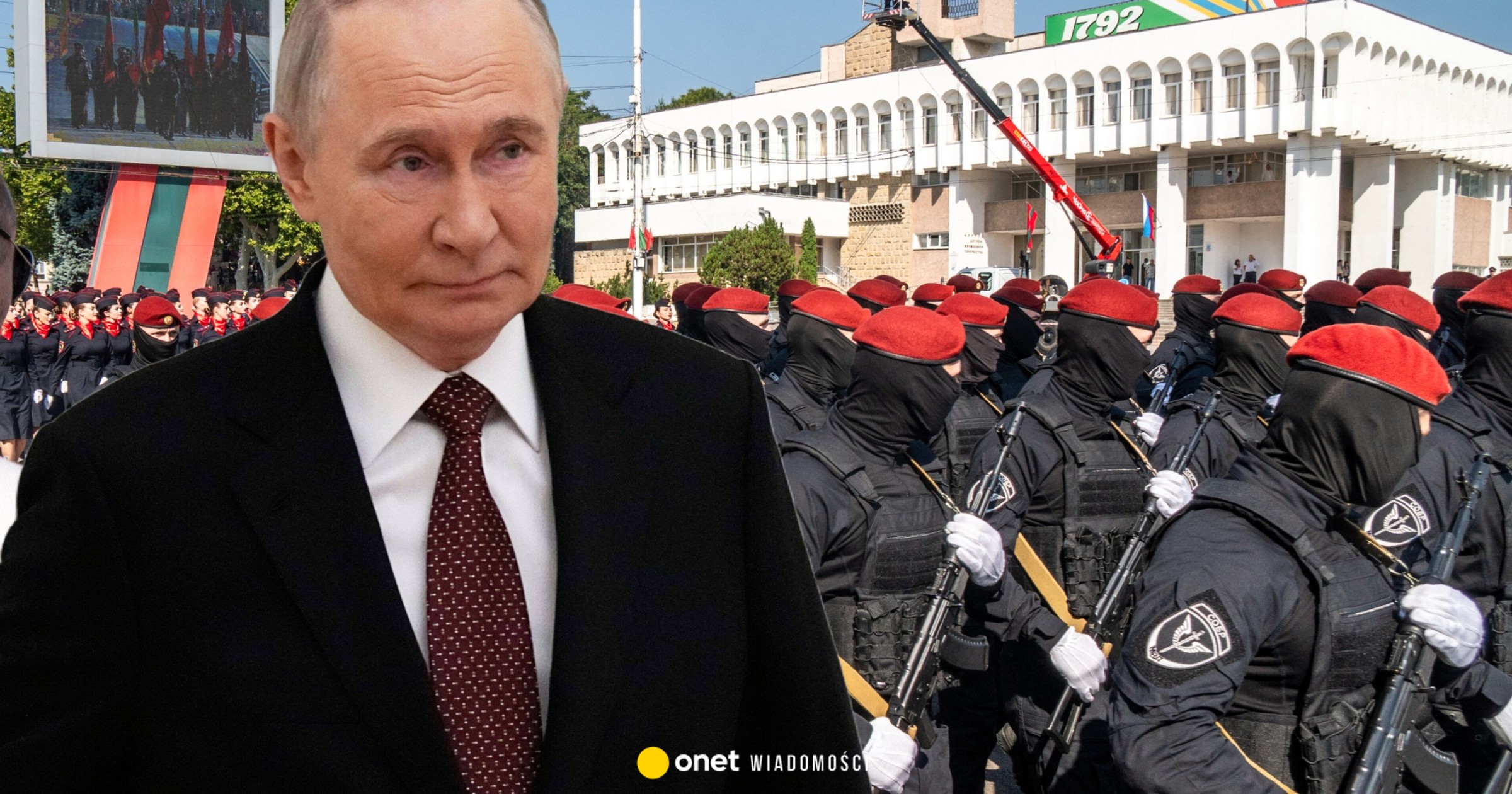
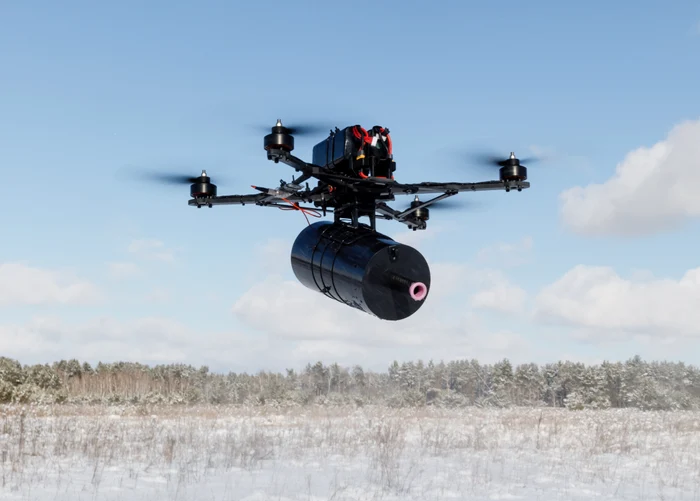
Russia has established the Unmanned Systems Forces as a separate branch of the military dedicated to drone warfare, the deputy head of this officially operational force announced, according to the Kyiv Post and the specialist publication The War Zone. In a reaction to the announcement, a Ukrainian official said that these forces, modeled after Ukraine's, certainly pose a threat.
SHUTTERSTOCK PHOTO
The drone branch follows an order by Vladimir Putin in this regard last year.
According to the Russian portal Astra, within the newly created Unmanned Systems Forces there were already organized regiments, unit battalions, as well as a designated command structure.
At the same time, the operational framework is fully formed and the leadership has been appointed, said Colonel Serghei Istuganov.
“We continue to strengthen existing formations and train new units of the Unmanned Systems Forces. Operators, engineers, technicians and other specialists are assigned to these units,” he said.
The new unmanned vehicle force mirrors Ukraine's, established last year.
“Their combat operations are conducted according to a unified plan and in coordination with other troop units,” the deputy chief was quoted as saying by Russian news agencies.
There are already early signs of success, he argued, citing as an example the situation in the besieged city of Pokrovsk, where Ukraine has acknowledged that Russian drones played an important role in giving Moscow an advantage.
Rubicon, a force of elite drone operators previously helped Russia repel the Kursk invasion of Ukraine.
“Just a year ago, our troops were not so saturated with drones of all types. But gradually, Russian units managed to turn the tide and effectively 'squeeze' them from the Ukrainian Armed Forces.”
Beyond the battlefield, the USF “conducts combat testing of both drones and electronic warfare systems, working closely with manufacturers,” the USF deputy chief also said.
Moscow has announced its ambitious plans for drone production. It has a factory that aims to manufacture 6,000 Shahed drones per month. Russia also has plans to produce a total of 2 million FPV drones this year.
Equipment is only part of the equation. USF also recruits top military talent, Istuganov said.
“The effectiveness of this fledgling branch of the armed forces is demonstrated by its approach to personnel,” he suggested. “The best soldiers are selected, taking into account, among other things, their achievements in battle.”
Experts discussed this new force and its potential.
“There are no official standards today for much of the R&D and use of tactical drones in the Russian military,” Samuel Bendett, a drone expert and researcher at the Center for Naval Analyses, was quoted by The War Zone as saying.
“There is uneven supply, there are problems with drone pilots being treated as typical assault infantry, uneven supply of qualified pilots and drones, etc. Many in the Russian military hope that the USF will solve many of these problems.”
Ukraine's reaction
“I have heard a detailed intelligence report on the development of the enemy's unmanned forces,” Ukrainian military chief Oleksandr Sîrski wrote on his Telegram channel. “The occupiers are following the pattern of our experience, particularly in creating regiments of unmanned systems and interceptor drones, and are directing significant resources towards this. We must constantly improve to maintain technological superiority.”
“Special attention is paid to the expansion of Unmanned Systems Forces units: increasing the number of trained crews, involving personnel and creating the infrastructure for their efficient operation.”
That Russia has followed Ukraine in creating the same type of force is a worrying signal, a Ukrainian official says.
“They copied our successful solutions,” Andrii Kovalenko, head of Ukraine's Center for Combating Disinformation, said on Telegram. “We were the ones who created the attack drone companies, which in 2023 allowed us the advantage over the enemy. And now the SBS is operating very effectively. But the Russians are copying us and trying to scale our innovations quantitatively. This is a threat, of course.”