In Vancouver, residents prepare for 'Big One' — the major earthquake that could hit the Pacific coast at any time

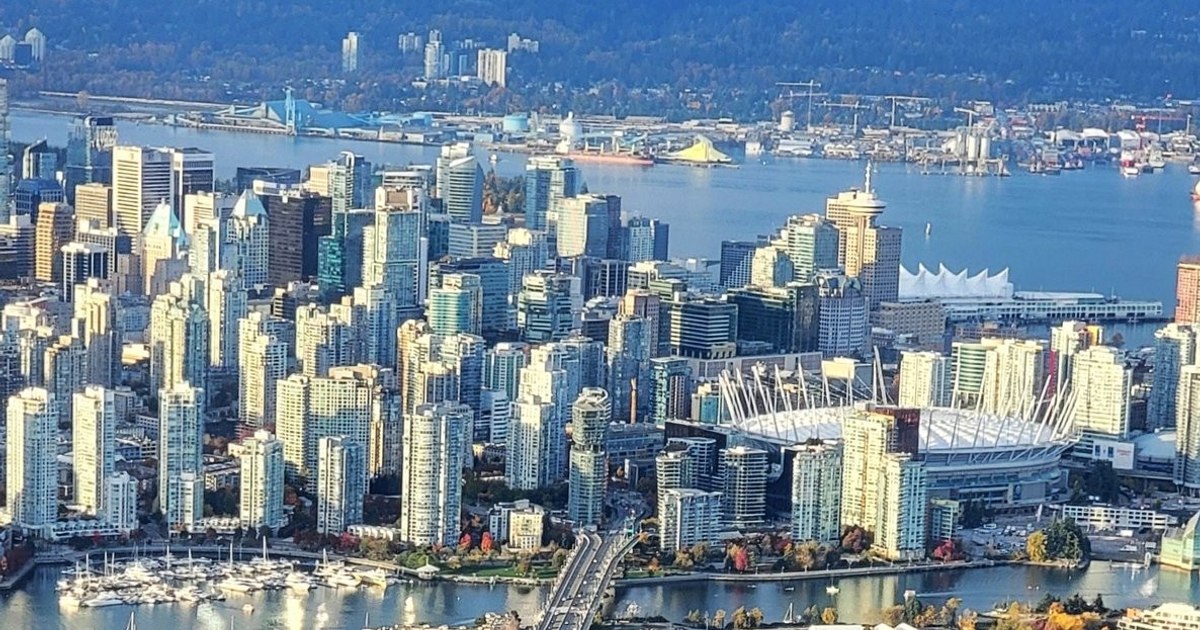
On the west coast of North America, the threat of a huge earthquake is very real. In British Columbia, Vancouverites have been living with the idea for years that the “Big One,” a devastating near-9 magnitude earthquake, could strike at any moment. The question is: how ready is the city?
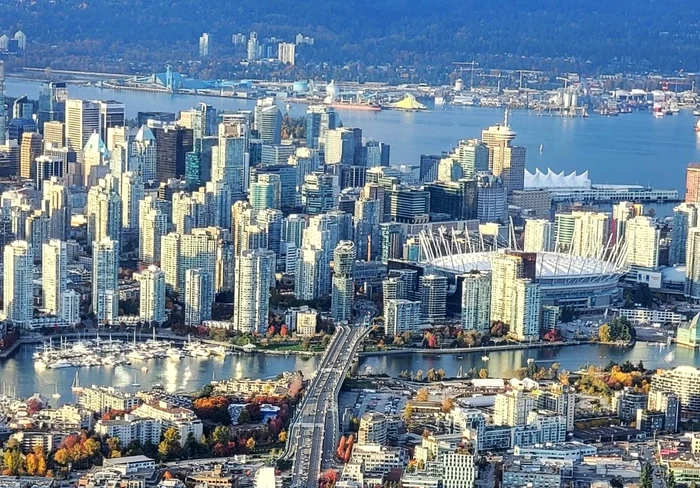
Vancouver is located in southwestern Canada/PHOTO:X
Vancouver, located in southwestern Canada, is known for its spectacular scenery and high quality of life. However, beneath this apparent poise lurks a silent menace. The city and the entire metropolitan area, with more than 3 million inhabitants, lie on the Cascadia subduction zone—one of the most seismically active zones on the planet.
“Here the Juan de Fuca tectonic plate is subducting under the North American plate. This is the combination that produces the major earthquakes”explains Professor Carlos Ventura, director of the University of British Columbia's Earthquake Engineering Research Centre.
An earthquake expected for over 300 years
The last major earthquake in the Cascadia area occurred in 1700. Based on geological cycles, experts estimate that a similar event occurs once every 300–400 years. “We're already inside this window of probability,” Ventura warns.
If the epicenter were located off Vancouver Island — about 150 kilometers from the mainland coast — the effects on the metropolis could be serious: liquefaction of the soil, landslides and the collapse of old buildings.
“A magnitude 7 earthquake directly under Vancouver could do more damage than a magnitude 9 earthquake offshore,” says John Cassidy, a seismologist and professor at the University of Victoria.
The risk is not limited to ground movement. The proximity of the Pacific Ocean also means the danger of a tsunami, which could affect low-lying areas such as the Fraser River Delta and Vancouver Harbour. However, modern modeling and early warning systems can send alerts minutes before the wave arrives.
Between calm and caution
For many residents, like Herman, who has lived in Vancouver for nearly two decades, the risk is an accepted reality: “We know we live in an earthquake-prone area. Every now and then, you get a little jolt.”
But what the locals call the “Big One” would be incomparable to these minor episodes. “The 1906 San Francisco earthquake was a magnitude 7.9. In Cascadia, we can expect an event close to a 9,” Ventura says.
Safer infrastructures, greater awareness
Authorities and experts are constantly working to limit the impact of a possible major earthquake. “Buildings, schools and bridges built before 1953 — the year modern building codes were introduced — are being gradually strengthened,” explains John Cassidy.
Vancouver also runs annual civic preparedness campaigns, such as the “ShakeOut BC” drills, where students and the public are trained on how to respond in the event of an earthquake.
But the researchers insist that training is not uniform. “The city has a very diverse population, including immigrants who come from countries with no seismic risk and who don't know exactly what to do. In addition, the homeless or those living in old buildings remain the most vulnerable,” points out Ventura.
“Human resources are the greatest asset in a crisis”
Some locals say that, beyond infrastructure, social solidarity matters most. “Relationships with neighbors and family are key. In a modern city, community is our most important resource in times of crisis”Herman says.
For others, like Kate, a 20-year-old Vancouver resident, preparation means calmness and pragmatism: “It's better not to think too much about it, but I have emergency kits and a plan for the kids just in case.”
A threat integrated into everyday life
While no one can predict when the “Big One” will hit, seismologists know where the risks are greatest and which infrastructures are vulnerable. This data allows the city to prepare without panic, but with lucidity.
In Vancouver, the major earthquake has become part of everyday reality—an invisible presence, between scientific vigilance and almost serene urban life.