
Pensioners are conquering the digital world. They spend more time in front of screens than their grandchildren


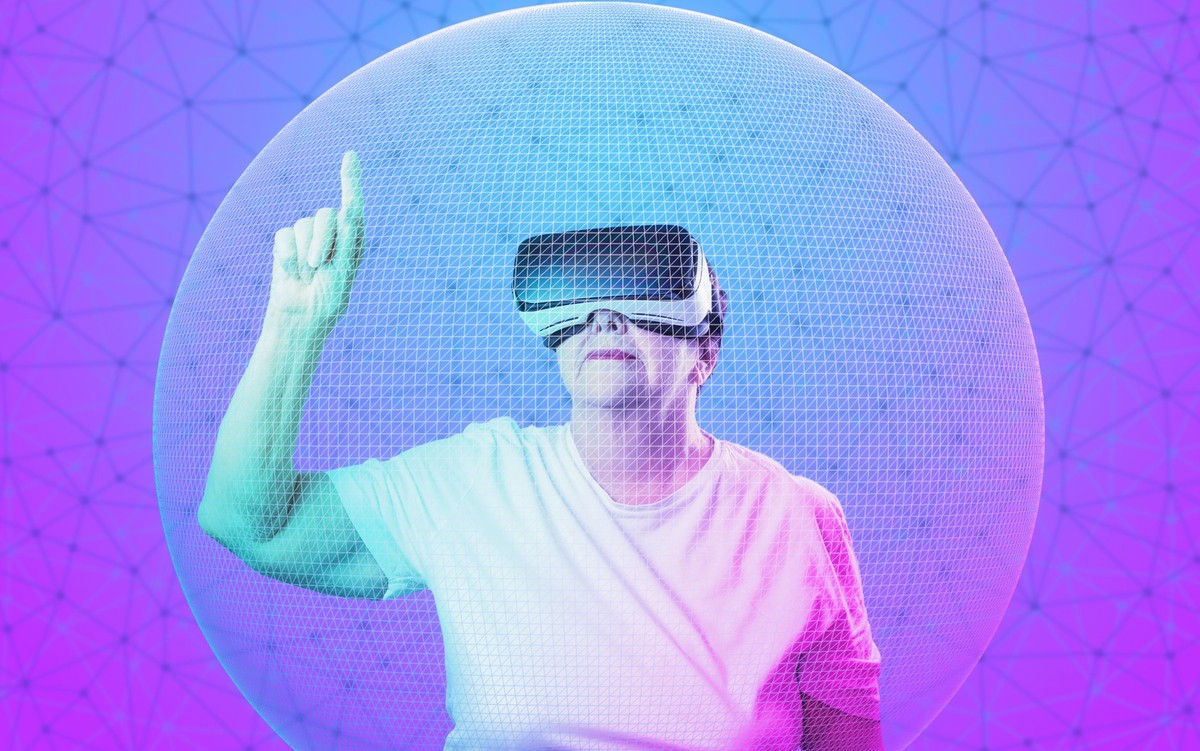
Contrary to intuition, a strong attachment to screens is not just a problem for young people or teenagers. When today's 60- and 70-year-olds, familiar with technology while still working, retire, time spent on screens is growing faster than ever.
The British Ofcom, the state body that controls and supervises the media and telecommunications market, shows two important facts. Firstly, people 75+ in 2024 spent an average of 6 hours and 26 minutes a day on home video consumption (TV and online services), which is clearly more than younger groups. And secondly, users 65+ already spend an average of 3 hours and 10 minutes a day online on phones, computers and tablets. In practice, the total time seniors spend on screens (TV and smart devices) is sometimes longer than that of twenty-year-olds.
Check also: What do Poles know about AI? There is a study
The equipment is no longer difficult to obtain
This explosion in the popularity of screens among older people does not come out of nowhere. Home furnishings that include good quality appliances are now the norm. In the USA, as much as 91 percent adults 50+ have a smartphone, 78 percent has a smart TV, 62 percent uses a tabletand 38 percent has wearable devices (e.g. smart watches and wristbands). This is not a niche, but the mainstream of technology consumption, which directly translates into expenses. AARP, an American non-profit organization for people 50+ that offers information, discounts and represents their interests, estimates that by 2030 the technology market for the 50+ group alone will exceed USD 120 billion.
And what do seniors actually do online? Their interests and needs are increasingly diverse. From video messaging with family, through banking and shopping, to streaming music, series and… online games. ESA data (Entertainment Software Association – an American industry organization representing video game producers and publishers) show that 28 percent American players is 50 years old. Almost every other boomer plays every week.
User requirements are also growing. AARP research highlights that older gamers feel underrepresented in games they expect more “age-sensitive” designand at the same time they willingly choose logical productions that “keep the mind moving”. This is a segment that creators and publishers can no longer ignore. Older people want to play and do play video games – and the number of them continues to grow.
But is spending several hours in front of screens healthy? The debate has been revolving around the hypothesis of a kind of digital dementia for years. New scientific works force us to approach it with caution. Meta-analysis of 57 studies involving over 400,000. people aged 50+ showed that regular use of digital devices is associated with a lower risk of deterioration of cognitive functions and a slower pace of their decline – of course, while maintaining moderation and the advantage of active, engaging use over passive “watching”. Playing video games is definitely something different than watching a series, even though we can do these two activities on the same TV.
On the other hand, we know that the habit of using screens in the evening (or even at night) may impair sleep in some older people. What is important here is the so-called digital hygiene and consciously turning off screens after dark.
See also: This company forces you to use AI. Employees mock on Slack and fear that it is an excuse for layoffs
Senior in front of the screen and threats
There are risks, but they are different than in teenagers. Seniors are more likely to connect their phones with finances, that's why it is easier for them to fall into the trap of micropayments or become victims of fraudsters. In the USA alone, people 60+ reported losses of over USD 1.9 billion in 2023, and the actual level of damage is estimated by the Federal Trade Commission up to USD 61.5 billion.
In Great Britain, the Independent Age organization calculated that a defrauded senior loses on average about PLN 4,000. pounds. These are not isolated cases, but a massive vector of abuse – from fraudsters posing as technical support workers, to quishing (a type of phishing in which fraudsters use QR codes to redirect victims to a fake website or trigger malicious activities such as stealing login credentials), to impersonating family on instant messengers.
In Asia, where the use of smartphones is the most advanced, the other side of the digital life of seniors is also visible. A study from South Korea showed that in 2022 in the 60+ group, up to 17.5 percent people met the criteria for excessive smartphone addiction. This is a warning that the increasing time online requires wise barriers and support also for older people who no longer have teachers in the form of parents or schools.
At the same time, technology can be a shield, not a sword. In the health sector, wearable devices and safety features are becoming a useful everyday assistant. Apple Watch automatically detects falls and can summon help, the ECG app warns about possible arrhythmias, and AirPods Pro 2 have received OTC medical authorization from the FDA, which allows them to be used as hearing aids for mild to moderate hearing losses. These are no longer gadgets, but tools to reduce isolation and improve quality of life.
Elders move to virtual worlds
Another wave is already visible on the horizon: VR and digital “memories”. Reviews and pilots indicate that reminiscence therapy in virtual reality, which involves intentionally recalling important memories (e.g. through photos, music and conversation) to improve mood, identity and cognitive functions, can improve well-being, reduce symptoms of anxiety or depression and support memory in older people. Especially those with cognitive disorders.
Well-designed VR environments, from childhood street walks to exercise classes, they allow you to return to places and emotions that were beyond the reach of limited mobility. This is an area that is quickly maturing for mass-scale applications in homes and care facilities.
All this, of course, also has an impact on business. Seniors consume media differently today: TV remains strong, but online time is growing and the “second screen” is already the norm. This forces hybrid reach strategies – brands, media and platforms must design experiences that are readable on both large and small screens at the same time. Moreover, the design of digital solutions must take into account different age groups, including older people. From font sizes, to contrasts and clear language, to voice control and high readability modes – these are no longer things you can optionally consider, but features that translate into revenue and better conversion.
Entertainment and community are also becoming more important. Games, streaming and online events for people aged 60+ are not PR curiosities, but a segment with growing life and commercial value, from puzzle games to film clubs and video “universities of the third age”.
And what does it look like in Poland? Data from the Central Statistical Office confirm the rapid digitization of households and the increase in digital competences, and the share of older people in the population is growing. This means that the demand for convenient and safe online services will only increase. This is a signal for banks, media, telemedicine and trade to increasingly take older people into account when designing various services and products.
We also need to dispel the argument about wasted time. For a retiree, working too many hours is the norm, and meaningful, social and stimulating screen use can be beneficial as long as it is accompanied by exercise, offline contact and sensible sleep routines. Moral panic transferred from teenagers to seniors is unlikely to help anyone here.
Author: Grzegorz Kubera, journalist of Business Insider Polska


