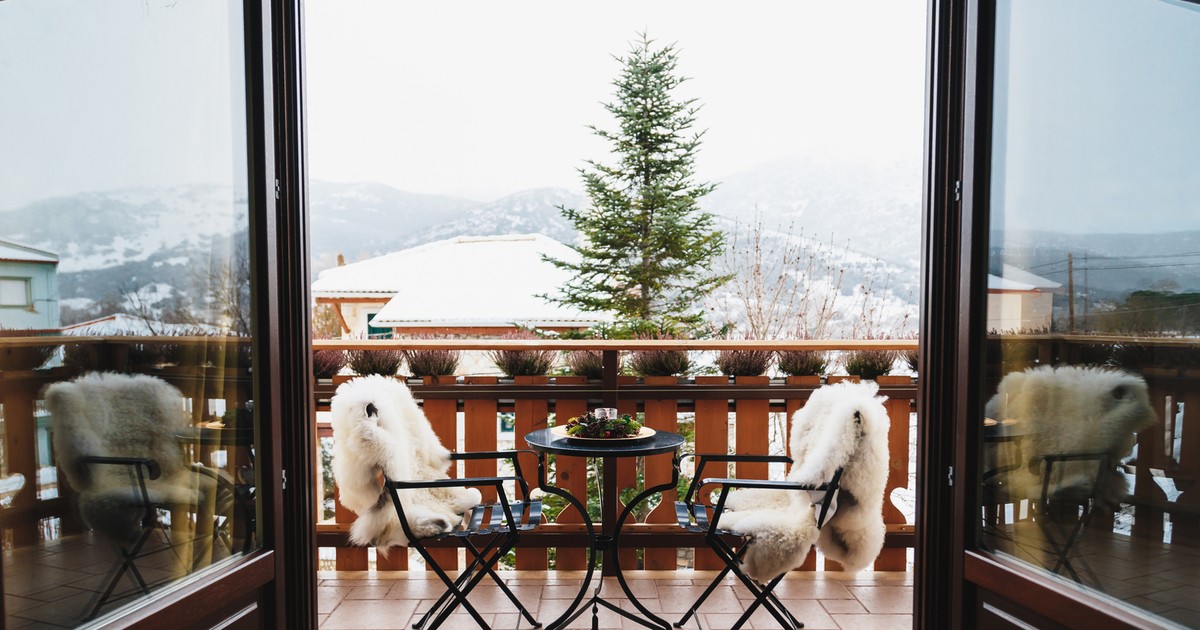
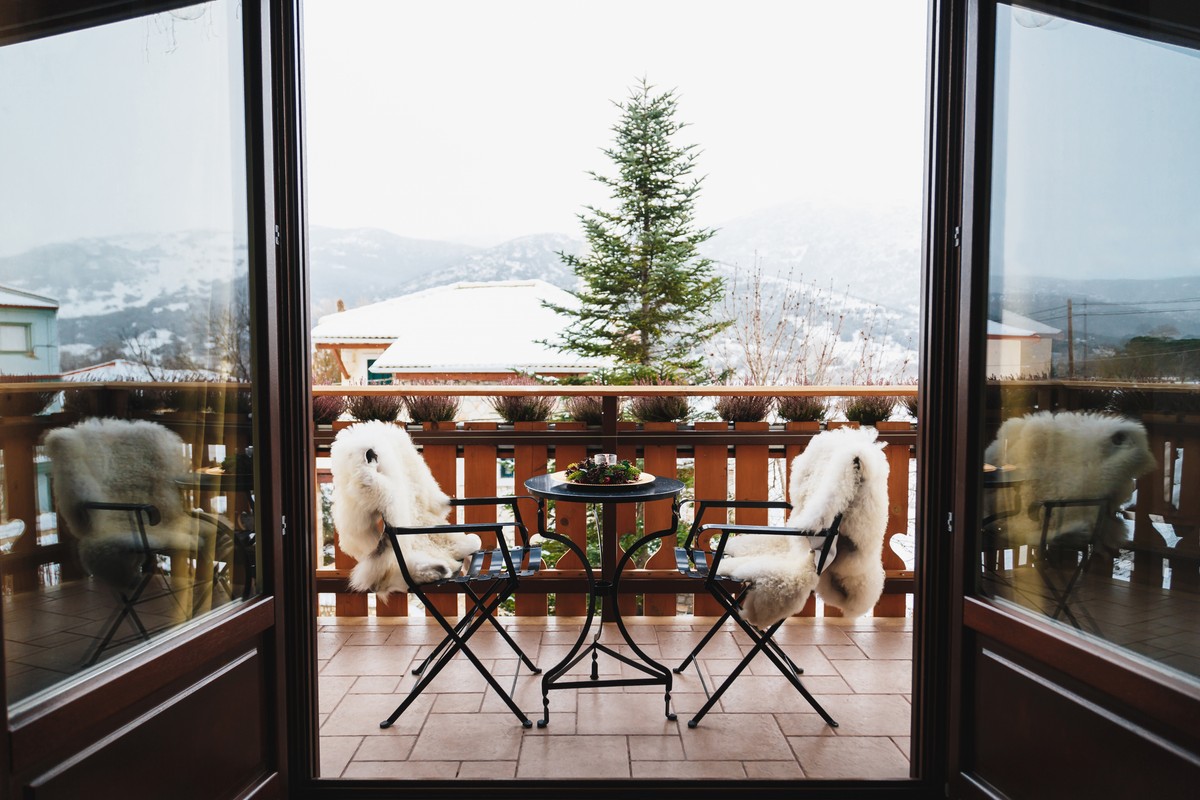
The first step is to take care of the plants. Frost-sensitive species such as geraniums, surfinias and Mediterranean herbs should be moved to the house or basement. Evergreen and resistant plants such as ivy, heather and conifers can remain on the balcony, but they require appropriate protection.
Pots with wintering plants should be wrapped with horticultural fabric, jute or special coconut mats. It is particularly important to protect the bottom of the pot – lifting it on wooden pads or Styrofoam trays it will prevent the roots from freezing from underneath. It is also worth grouping the pots close to the building wall, where the temperature is slightly higher.
Organizing and cleaning the space
Before winter, the balcony requires thorough cleaning. All textiles – pillows, blankets, carpets – should be washed and stored in the apartment. If left outside, they will quickly deteriorate due to moisture and frost.
Thorough sweeping and washing of the balcony is a must. Accumulated leaves and dirt combined with water they can clog drains, which can cause serious problems in winter. A blocked drain means that water from melting snow has nowhere to go and may seep under the balcony finish or even into the apartment.
Balcony furniture – storage or protection
It is best to move garden furniture made of wood or technorattan to the basement, garage or staircase. If this is not possible, they should be thoroughly cleaned, dried and protected with appropriate covers or tarpaulins. Wooden furniture should be additionally protected with impregnation.
Metal elements of balcony equipment can be wiped with an anti-corrosion agent, which will extend their service life. Folding chairs and tables are best folded and placed against the wall of the building, which minimizes their exposure to weather conditions.
Lighting and decorations
Lanterns, string lights and other electrical decorations should be unplugged and stored. If the balcony is equipped with an electrical installation, it is worth checking its tightness and the condition of the sockets. Moisture and frost can damage poorly protected electrical components.
It is better to move glass and ceramic decorations inside – sudden changes in temperature may cause them to crack. Only decorations made of frost-resistant materials can be left.
Renovation and conservation
Autumn is a good time for minor renovations. It is worth checking the condition of the balcony coating – any cracks and defects should be repaired before winter, because water penetrating the cracks will freeze and may deepen the damage.
Balustrades and other metal elements should be cleaned of rust and protected with paint or varnish. Wooden finishing elements can be impregnated, which will protect them against moisture.
Covering the balcony
If the balcony is open and particularly exposed to wind and snow, it is worth considering partially covering it. Special balcony covers made of PVC or tarpaulin material protect against blowing snow while ensuring the space is ventilated.
Systematic inspection in winter
Even the best-prepared balcony requires occasional inspection during the winter. After heavy snowfall, it is worth removing excess snow so that it does not overload the balcony structure and balustrades. You should also check that the drain is not blocked by ice.
Properly preparing the balcony for winter is an investment that pays off in spring – instead of tedious cleaning and repairs, we will be able to immediately enjoy the first warm days in our favorite space.