Russia fears Ukrainian airstrikes on critical infrastructure. He is preparing a special mobilization


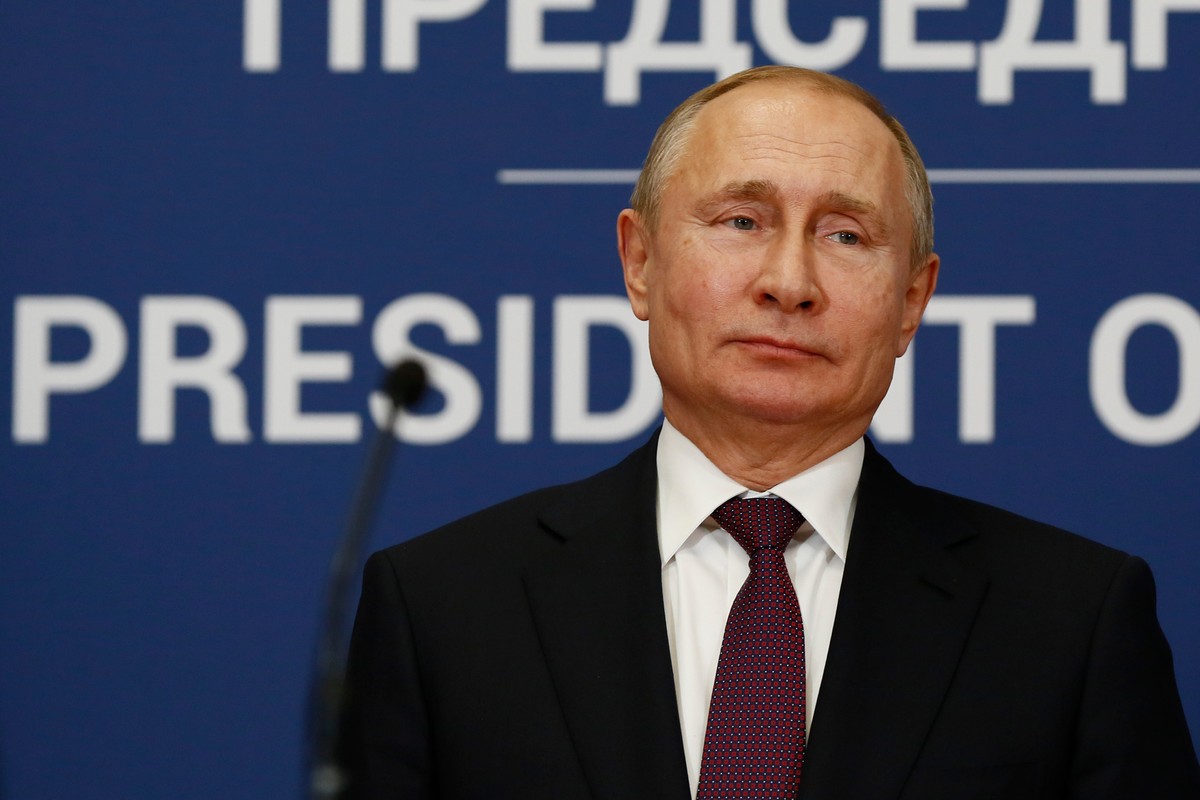
According to the agency, on Thursday the State Duma received a draft amendment to the regulations regarding civilian reservists, i.e. people who have signed agreements to undergo regular defense training in peacetime. The change in law is intended to allow them to be appointed to the so-called special missions based on the decree of President Vladimir Putin. Reservists would be directed to protect “critically important” facilities, including: refineries, energy networks, transport links and industrial plants.
Read also: Ai Tax Report. PiS wants revolution 3.0 in taxes. VAT refund in a week, what about the officials?
Russia in increasing tension. Critical infrastructure under fire
Bloomberg notes that this decision is a signal of growing tension within the Russian defense apparatus, which has been struggling for months with the consequences of Ukraine's successful attacks. Since August, Kiev has carried out at least 30 strikes against Russian refineries and factories related to the arms industry.. The aim of these actions is to weaken the logistic and financial base of the Russian war machine.
Deputy head of the Main Organizational and Mobilization Directorate of the Russian General Staff, Vladimir Tsymlansky, tried to calm public opinion by assuring that the conscripted reservists would not be sent to the front or outside the country.. “It's not about conscription into the army, but about protective duties on Russian territory,” he said on state television.
Read also: New obligations for entrepreneurs from 2026. How to prepare?
No official data was provided on the number of people who may be covered by the new regulations, but Alexei Zhuravlyov, a member of the Duma defense committee, estimated that this may concern up to 2 million reservists.
According to analysts, the change in regulations may have strategic importance. It will allow the Russian army to dismiss some of the soldiers previously responsible for protecting the infrastructure and send them to the front in Ukraine, without having to announce a new mobilization – a step that the Kremlin is trying to avoid for fear of public dissatisfaction.
Bloomberg points out that Putin's decision is another signal of personnel difficulties in the Russian armed forces. Despite the mobilization carried out in the fall of 2022 and intensive recruitment of volunteers The Russian army is still struggling with a shortage of people and equipment, as confirmed by Western intelligence sources.
Ukrainian drone attacks targeting refineries and fuel depots pose a serious challenge to Russian logistics. These strikes – according to experts – may in the long run significantly limit Russia's ability to conduct offensive operations and increase the costs of the war.