The Ministry of National Defense will receive almost PLN 125 billion. The parliamentary subcommittee has a positive opinion about the draft budget for 2026

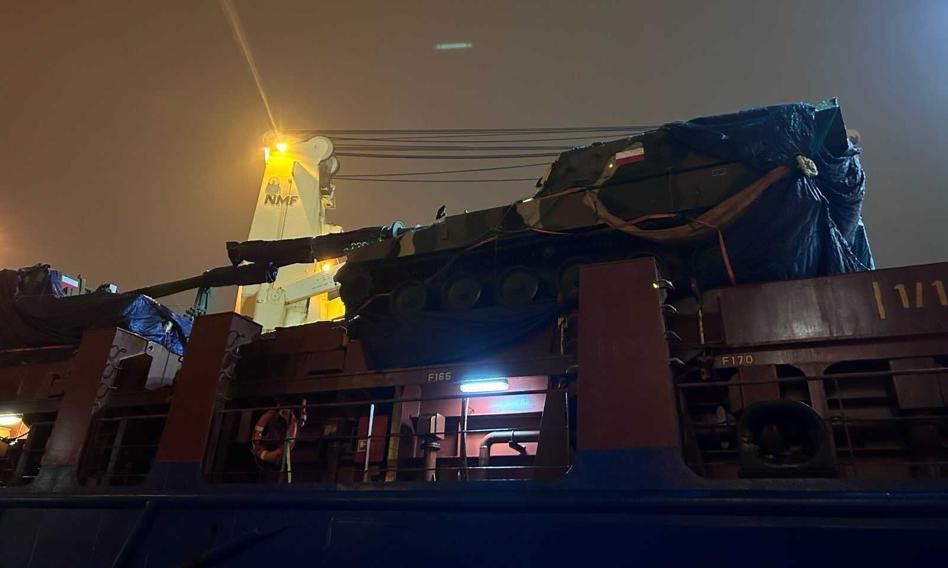
The Parliamentary subcommittee on defense issued a positive opinion on next year's draft budget, which allocates almost PLN 125 billion for the Ministry of National Defence. Other defense expenditures – which, according to the ministry's announcement, will total PLN 200 billion – will be included primarily in the Armed Forces Support Fund.
In recent years, Polish defense spending has been systematically increasing; they consist of two basic elements – money allocated for defense (part 29) in the state budget, and money from the Armed Forces Support Fund, based primarily on debt instruments, which primarily finances purchases of new equipment for the army.
The management of the Ministry of National Defense has announced in recent weeks that next year's defense spending will total approximately PLN 200 billion. According to the draft budget law – which was discussed on Wednesday by the parliamentary national defense subcommittee for financing the armed forces – next year the defense budget is to include PLN 124.8 billion, which will translate into 3%. next year's planned state GDP.
The remaining funds, which in total are expected to give almost 5%. Polish GDP, are to be spent primarily within the Fund for Social Welfare, which will be financed, among others, by funds from the European SAFE instrument.
The structure of expenses presented in the draft budget bill was presented on Wednesday by General Sławomir Kozicki, head of the budget department at the Ministry of National Defense. The general said that the amount of PLN 124.8 billion is an increase of PLN 0.5 billion compared to the previous budget. As he indicated, PLN 118.6 billion is to be spent on defense-related purposes, and the remaining PLN 6.2 billion will be funds that the Ministry of Defense will allocate for purposes related primarily to civil defense and population protection.
Of the amount to be allocated for strictly defense purposes, PLN 26.7 billion will be allocated to personnel expenses, i.e. primarily salaries for soldiers and other people employed by the Ministry of National Defense. Gen. Kozicki emphasized that this money will allow for the maintenance of 227,641 soldiers in service, including 163,641 professional soldiers, 40,000 WOT soldiers and 20 thousand voluntary compulsory military service. He added that these amounts are adjusted to the real growth rate of the number of soldiers of the Polish Army.
The base amounts on which the salaries of individual soldiers are calculated are to increase by 3 percent; a similar increase in salaries is planned for several dozen thousand employees of the Ministry of Defense.
PLN 46.3 billion was allocated for various types of “defense capital expenditure” – some purchases of equipment or investments in military infrastructure, including PLN 42.1 billion from the part of the budget managed by the Ministry of National Defense; under Central Property Plans (CPR) – PLN 49.7 billion. As part of the CPR, the key expenditure is the Technical Modernization Plan, i.e. expenditure on new military equipment – these are expected to amount to PLN 35.7 billion.
In addition, PLN 7.9 billion is to be spent on construction investments – e.g. barracks, hangars and warehouses for new and developed military units, PLN 6.1 billion on the purchase of materials, and PLN 17.1 billion on expenses related to the ongoing maintenance of the units. These categories include expenses such as purchases of ammunition, equipment for soldiers, fuel, spare parts and other items necessary on a daily basis.
As General Kozicki pointed out, the key issues next year will include, among others: better financing for the operation of military equipment, as well as issues such as infrastructure renovation and maintenance.
Another key component of the Ministry of National Defense budget are benefits for individuals – this category includes, among others: military pensions. Next year, the Ministry of National Defense plans to allocate PLN 18.2 billion for this purpose, which will allow for the indexation of pensions at 104.9%, as well as the payment of “thirteenth” and “fourteenth pensions” to approximately 159,000 people. beneficiaries.
Another category of Ministry of National Defense expenditure is the so-called grants and subsidies under which the ministry co-finances, among others: military universities, the Military Property Agency and enterprises cooperating with the army. The Ministry of National Defense plans to allocate PLN 5.9 billion for this purpose.
Gen. Kozicki pointed out that the priorities of the Ministry of National Defense for next year include a further increase in the number of the Polish Armed Forces, as well as support for the air and anti-missile defense command system, as well as the expansion of infrastructure to meet the needs of the growing army receiving new equipment.
As he pointed out, the expenses planned include, among others: allocation – similarly to last year – of approximately PLN 500 million for the project of strengthening the eastern border of the Eastern Shield, as well as PLN 368 million for investments related to the construction of the new 1st Legion Infantry Division, whose units are being established in the north-eastern part of the country.
The head of the Ministry of National Defense's budget department also said that next year's budget is planned to significantly reduce the Ministry of National Defense's contribution to the Fund, to which the ministry has so far contributed several billion zlotys. Next year, only PLN 3.3 billion will be allocated to the Fund, compared to PLN 14 billion this year. On the other hand, as he noted, in addition to other instruments, the Fund will also include funds obtained under the EU SAFE defense loan instrument.
In this context, General Kozicki also assured that the plans for next year include strengthening the staff of the Military Armament Agency, which manages the vast majority of orders for new equipment for the army, including contracts that will be concluded under SAFE; despite managing contracts worth billions of zlotys and dollars, this institution currently does not have sufficient human resources.
MP Andrzej Śliwka (PiS) pointed out that next year's budget planned for noticeably less expenditure on research and development. Gen. Kozicki admitted that this sector will receive PLN 300 million, but, as he argued, this decrease is primarily due to the schedule of work on one of the most important development projects currently, which is the Miecznik frigate under construction.
Śliwka said that next year's defense budget should be “solidly strengthened.” He announced that he would submit appropriate amendments at a later stage of parliamentary work.
The parliamentary defense subcommittee issued a positive opinion on the draft defense budget, which – as a whole draft budget bill – will be further processed by the parliamentary finance committee.
In total, according to the government's announcement, Poland will spend 4.8% on defense next year. of its GDP, which will translate into approximately PLN 200 billion. In terms of percentage of GDP, these expenditures are expected to put Poland in first place in the North Atlantic Alliance. At this year's summit in The Hague, NATO members committed to a target spending of 5%. of its GDP on security. (PAP)
mml/ par/