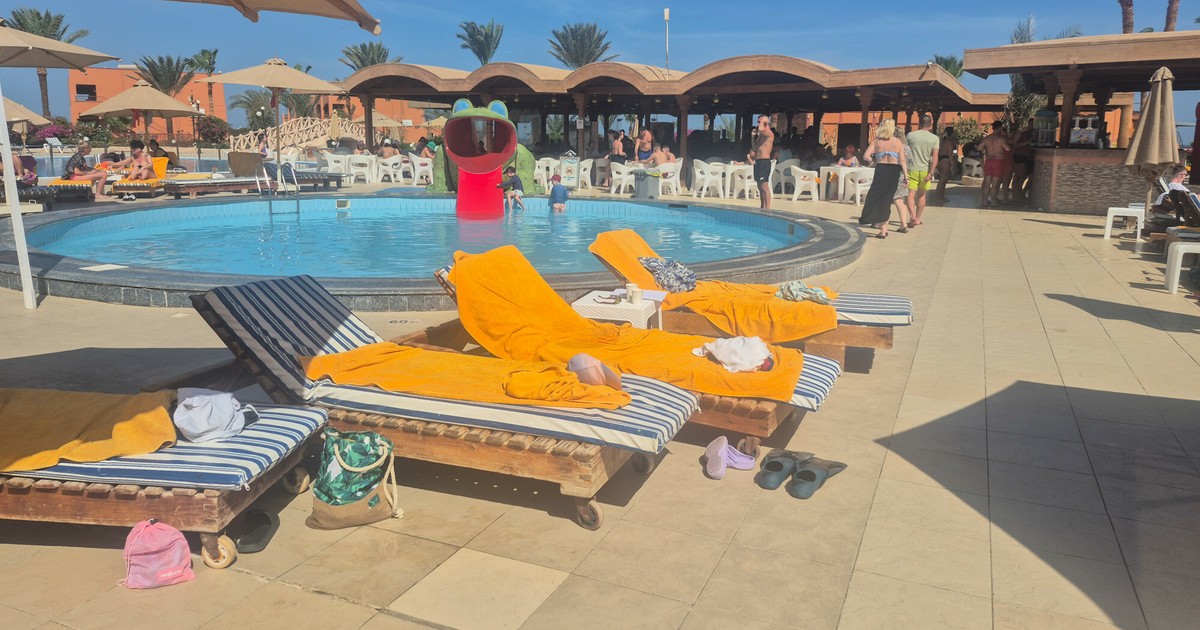
This unprecedented ruling sparked a reaction from the tourism industry. Hotels are introducing new systems to prevent morning “sun wars”. It all started with the story of 48-year-old David Egert.
During a family vacation on the Greek island of Kos in 2024, a pilot from Düsseldorf experienced a situation that ended in court. Despite paying PLN 7.2 thousand euro for staying in a luxury hotel, he couldn't find a free sun lounger by the pool even at six in the morning. All seats were filled with towels, although many of them remained unused for most of the day.
See also: Noise prevented them from resting on an all-inclusive holiday. Poles with a landmark verdict
The court in Hannover ruled that the tour operator must provide an appropriate number of sun loungers in relation to the number of guests. David Egert received compensation of over EUR 900, and the verdict was considered a warning signal for the entire tourism industry.
“Dawn Raids” – a morning race for deckchairs
The problem of booking sun loungers with towels has long been known to tourists. Andrew Mills from Newcastle recalled that while on holiday on the Greek island of Zakynthos, all the sun loungers were occupied from the early morning hours, forcing him to spend days away from the swimming pool. Another tourist had a similar experience in Antalya, where the lack of access to sun loungers spoiled his rest.
This phenomenon, called “Dawn Raids” or “sun wars”, is becoming more and more frustrating for vacationers. In some cases, guests, unable to find a place, decide to take radical actions. In Ibiza, frustrated tourists threw their towels into a swimming pool at night.
See also: Vacations terrified him. “I had anxiety about work, about whether everything was done”
New solutions in hotels
In response to the growing problem, many hotels are introducing innovative solutions. In one French resort, a siren sounds twice a day. Guests who do not show up for their deckchairs lose them – the items are removed and go to the lost and found office.
In turn, the hotel in Protaras, Cyprus, introduced a seat assignment system. Each guest receives a deckchair assigned for the entire stay, and changing the seat requires reporting to the hotel staff. A similar solution is used in Paphos, where each umbrella is assigned two sun loungers. Colin Davison, a 73-year-old tourist from Newcastle, praises the system as fair and convenient.
Introducing such rules helps avoid conflicts and increases the comfort of rest. However, the tourism industry faces a challenge – what was an accepted practice for years may now involve legal and organizational risks for hotels and travel agencies.