Who were the tricks, the rebels who put fear in the Austrians. Of them, the most feared were the Romanians, even appreciated by Hungarians for their bravery


More than three centuries ago, on today's territory of Transylvania, one of the most feared irregular weapons in the history of Europe acted. The fighters bore the names, they had different ethnic origins, including Romanians, and rose against the Habsburg control.
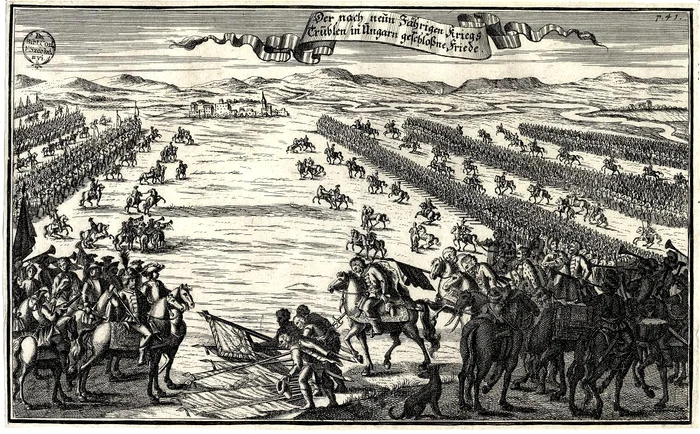
Curuations in front of the imperial army in 1711 Photo Wikipedia
Taking advantage of the increasing weakness of the Ottoman Empire, especially after the failure of the last siege of Vienna in 1683, the Habsburg Empire manages to capture more and more Turkish possessions in Central Europe and, finally, destroys the Buddha's Pashala. The joy of the Hungarians and the Transylvanians was short -lived, because the Ottoman suzerainty was replaced by the Habsburg one. The Habsburg control has deeply dissatisfied the great Hungarian and Transylvanian nobility, which have organized several revolts over the last decades of the eighteenth century. In response, the Austrian emperors applied an even more strict control over Hungary and Transylvania.
“Hungary was reassembled between the hereditary provinces, Transylvania remained further on a separate country, and the Habsburgs became its principles. The great Hungarian nobility was removed from the political functions of the two countries. After the removal of the Turks of the Great owners, they repressed their lands only after they had a certain amount and they only proved to be a certain deed. The emperor was checked. robbery and terror, thus missing the food population ”described the situation of Liviu Patachi, in the work “Romanian military and haiduci at the beginning of the eighteenth century”.
In these conditions, a great uprising of the Prince of Transylvania, Francisc Rakoczi II, followed, which raised the entire population of Transylvania, regardless of the social condition, against the Habsburgs, for the independence of the Principality. On this occasion, fighters who sowed terror among the Habsburg soldiers were noted. They were called clean and were of various origins, including Romanians, part of irregular troops that gave great headaches, especially through their guerril tactics.
Curuations, rebels who practiced “the war-flexion”
The churches were, in fact, haiduci. That is, rebels from all social blankets, especially peasants and small nobles who have risen to fight against injustices and freedom. In the eighteenth century, the tricks had different objectives, depending on the social category they were part of. If they were small nobles, they wanted to shake the Habsburg yoke and acquire privileges. If they were peasants, they were fighting for better conditions, smaller tithes and other social claims. However, curves, regardless of rank, have often found a common cause. These rebels were largely light, irregular and often practiced a war against the enemy. Specifically, they attacked quickly, they were breaking and withdrawing, especially when closer to some more significant forces. They also had numerous infantry bands that acted as Guerrilă troops and at the siege of the cities. The churches were of various origins, Hungarians, Slovaks, Croats and Romanians, and their weapons were the guns, the light swords and the fighters called Fokos. Most dressed themselves.
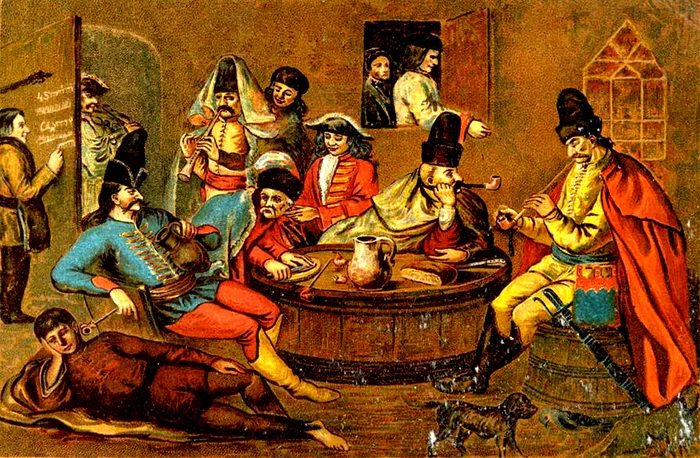
Curred in your free photo wikipedia
The name of the cord comes from the Hungarian word Kuruc, which means “haiduc”. Initially, it was irregular troops of Balkan origin and then they received the name all the rebels who took the weapons and formed ad-hoc armies against the Habsburg control. The word Kuruc or Curut was used for the first time at the beginning of the 16th century to describe the rebels led by Gheorghe Doja. Paul Lendvai stated that the term was actually in the Turkish, a derivative of the word kurudsch, which meant “rebel”. It is certain that these fighters were noted in the battles against the Habsburg since 1672, when the first such uprising of these haiduks was recorded. After the insurgents in Transylvania since the beginning of the eighteenth century, many churches passed on the side of the Habsburg army and served as irregular troops of haidice, used for incursions into the enemy territory, for demoralizing the population and especially for surprise attacks. The armies of the trim, during the insurgents, were made up mainly of small nobles and servants of different nationalities, both from Hungary and from Transylvania.
When the Curuts made the law in Hungary and Transylvania
Given the measures taken by the Austrians after the Turks' removal and the diminution of the previous anti-embodiment, the state of dissatisfaction of the inhabitants of Transylvania and Hungary was increasing. Including the properties and privileges of the great Hungarian nobility were strongly threatened by these new Habsburg bureaus and laws. One of the most affected was Prince Francisc Rákóczi II. His father had died when he was a child, and his mother had married another Hungarian nobleman, from the Thokoly nation. Emeric Thokoly was also a rebel against the Habsburg control, ending by being exiled. It is certain that at the beginning of the eighteenth century, Francis Rákóczi II was the richest landlord in Hungary, being directly affected by the harsh measures of the imperial.
“In 1703 a descendant of the Transylvanian princes · from the Răkoczi family, Francisc Râkoczi II, began the struggle of the liberation of Hungary and Transylvania under the Austrians, who were recognized over these two countries from the Turks, following the peace treaty concluded in Karlowitz in 1699. He removes the new rulers, who were to strengthen their control over these countries (…) The political and economic objectives of the Austria House, the measures taken for their materialization and the future intentions have endangered the political and economic position of the great feudal ones, among which the leading place was occupied by Francisc Rakoczi with its land. willing to rise up against the new rulers to ensure their own, economic and political interests.stated Liviu Patachi in the work mentioned above.
So rackozi, to have as many supporters as possible, sent fighter flags to people in his fields. The servants were waiting for so much. They formed detachments of trim, who joined mercenari, cords and small nobles. Due to this army, the great Hungarian nobility refused to suffer Rákóczi's rebellion, fear that these cleanies would not rob them, especially the Jobs seeking revenge against the great feudal. In parallel, Rákóczi had understood himself with the French to finance the uprising. At the same time, Louis XIV would open a front to the Austrians. During this time, the troops of the trimmed in Transylvania and Hungary, occupying the Habsburg cities, plundering fairs of the imperialist loyalists and fighting with lobon (the allied troops of the Habsburg). Curuations have proved to be a fearful force, extremely efficient in the “lightning war”. With their help, Rákóczi came to control most of the Kingdom of Hungary to the east and north of the Danube until the end of September 1703.
Romanian churches among the most feared. Pintea brave was among them
This conflict took full advantage of the Romanian servants and haiduces. They had risen before Rákóczi's uprising against the great feudal. The War of Independence of Hungary and Transylvania towards the Habsburg Crown fell like a glove for them. Obviously, those who practiced the haiducia and before 1703 proved to be the most dastomic. Romanians became famous for their bravery and weapons.
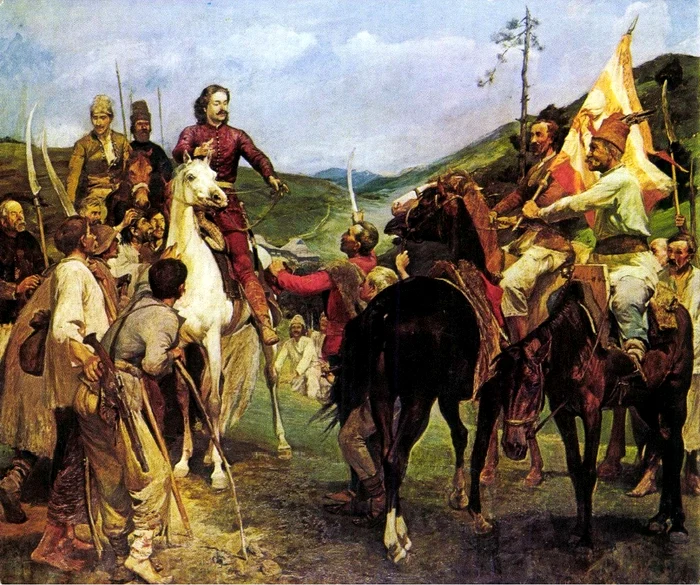
Rakoczi next to Wikipedia photo cleanses
“For claims of an economic, social and religious nature, the Romanian peasants, together with the ordinary nobles, participated imposing in the Rakoczian uprising. fought everywhere. Fight of the Romanian Curuts, which rang through the Transylvanian Mountains sung by the chimpan, the whistle and the bucium of the Romanian Curut ”adds Liviu Patachi, in “Romanian military captains and haiduci at the beginning of the eighteenth century”.
Even the Hungarian patriot Jancso Benedek said that the Romanians were among the most worthy and as if they were “cross brothers” with Hungarians in the battles against the Habsburgs. Among the most famous captains of Romanian cleansers was Pintea Viteazul, a hero of Maramureș. In addition to this, other captains of clean, Bucur, Ciurilă, Vasile Negru, Balica and Câmpean were also distinguished. All were the captains of Haiducești cets before Rakoczi's wars. Despite the victories and facts of the weapons of the trim, Rákóczi's uprising ended badly. The French lost the Battle of Blenheim in 1704, in front of an Austro-British combined force, and could no longer support Rákóczi against the imperials. Then followed, in 1708, the battle of Trencin against the imperials. Rákóczi's horse hindered and collapsed with a rider. The leader of the uprising was left without knowledge. The curls thought he died and fled. The defeat was decisive for the uprising. Some of the trim were hunted and killed by the imperial troops, while others entered the service of the Habsburgs.