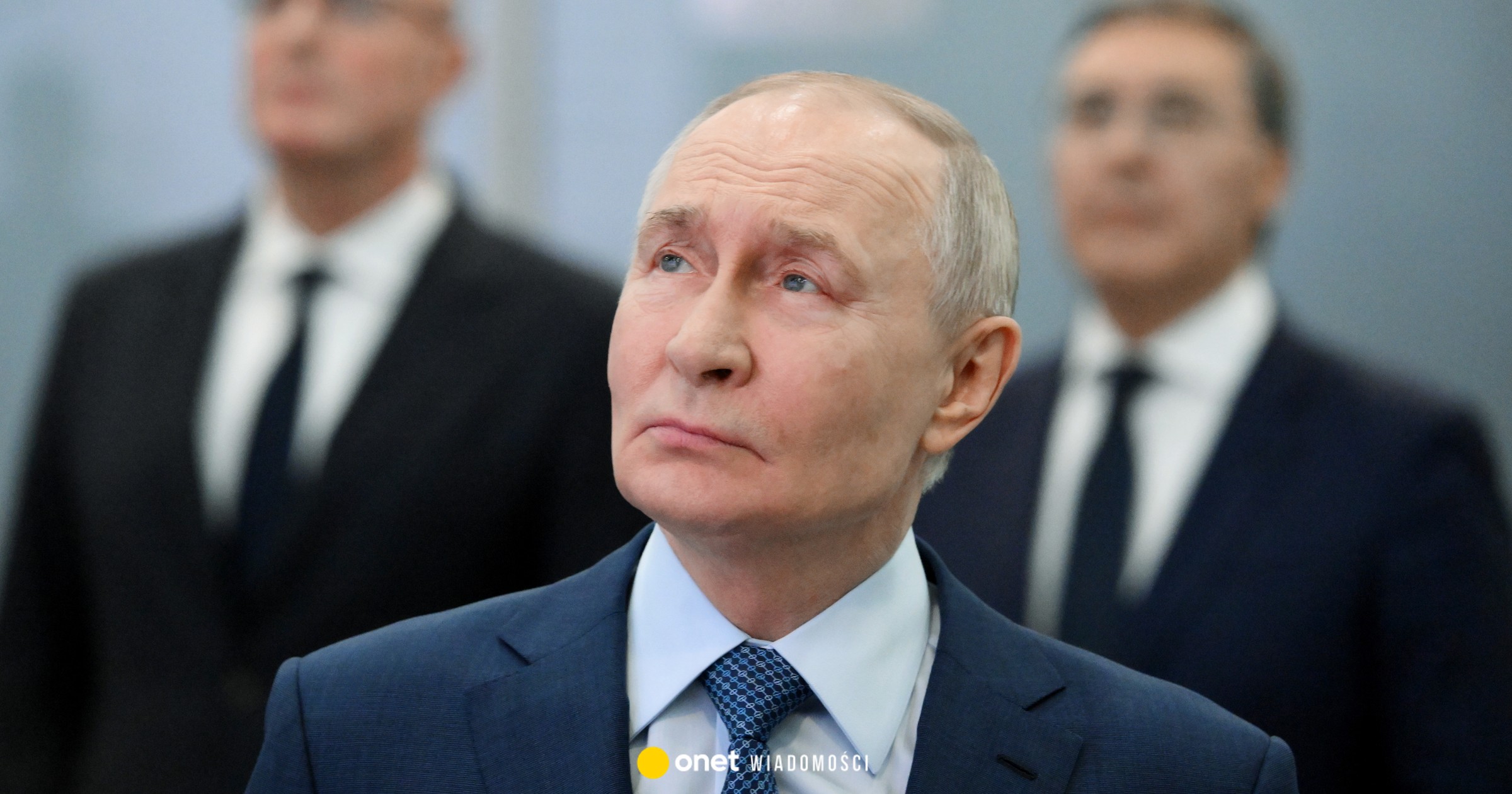
“Nothing good awaits Moldova” if it continues its course towards confrontation with Russia in order to build relations with Europe, Dmitry Peskov, press spokesman for the Russian president, said via the Russian TASS news agency. This is how he commented the republic's new military strategy aimed at Russia, which has been called the “main threat”.
Peskov noted that the Kremlin considered the adoption of the document to be a continuation of Chisinau's “confrontational line” towards Moscow. “In our opinion, the current leadership of Moldova is making a serious mistake. It believes that building relations with Europe means completely antagonizing Russia. One country has already made this mistake. It has not brought anything good to this country,” the Kremlin spokesman emphasized.
Last week, on Wednesday, October 8, the government of Moldova approved a new military strategy until 2035. Among the “military threats and threats to national security” listed in the document, officials paid special attention to Russia's war against Ukraine. Moldova expressed concerns about the prospect of creating a “land corridor” to its borders and admitted the “possibility of extending” hostilities to the territory of the republic. Another threat is the presence of approximately 1,000 Russian peacekeepers in Transnistria.
In connection with The Moldovan authorities decided to increase the size of the national army by one third and increase defense spending to one percent. GDP. The new military strategy also envisages a transition to “NATO-compliant standards.” In addition, the document included a provision that: neutrality enshrined in the constitution “obliges” Moldova to “take all measures, including military, to defend itself”which means, among other things, the opportunity to participate in international military exercises.
In September this year The pro-European Action and Solidarity (PAS) party of Moldova's president Mai Sandu won the parliamentary elections, obtaining 50.2 percent. votes. The pro-Russian Patriotic Bloc led by former president Igor Dodon took second place with 24.17 percent. As a result, the Kremlin accused Chisinau of preventing “hundreds of thousands” of Moldovans living in Russia from participating in the elections because only two polling stations were open to them.
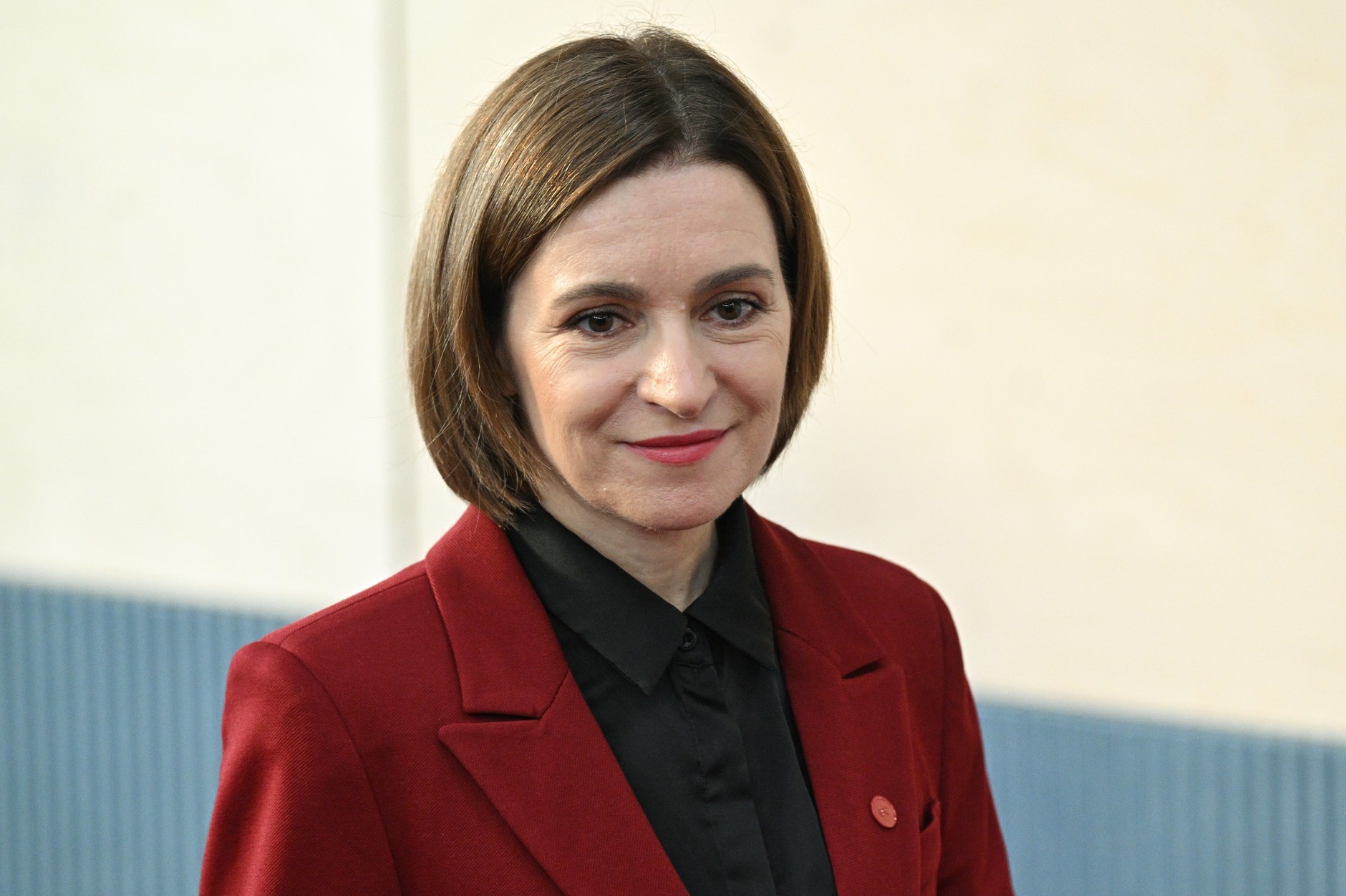
President of Moldova Maia Sandu during the informal summit of the European Union in Copenhagen, Denmark, October 2, 2025.Radek Pietruszka / PAP
On the other hand Maia Sandu, who has repeatedly accused Moscow of interfering in Moldova's affairs and trying to organize a coup d'étatstated after the elections that Russia “will continue its disinformation campaigns,” but that it will now be more difficult. European Union representatives congratulated Sandu on his election victory, noting that the Moldovan people chose democracy, reforms and a European future “in the face of pressure and interference from Russia.”
Find out more: