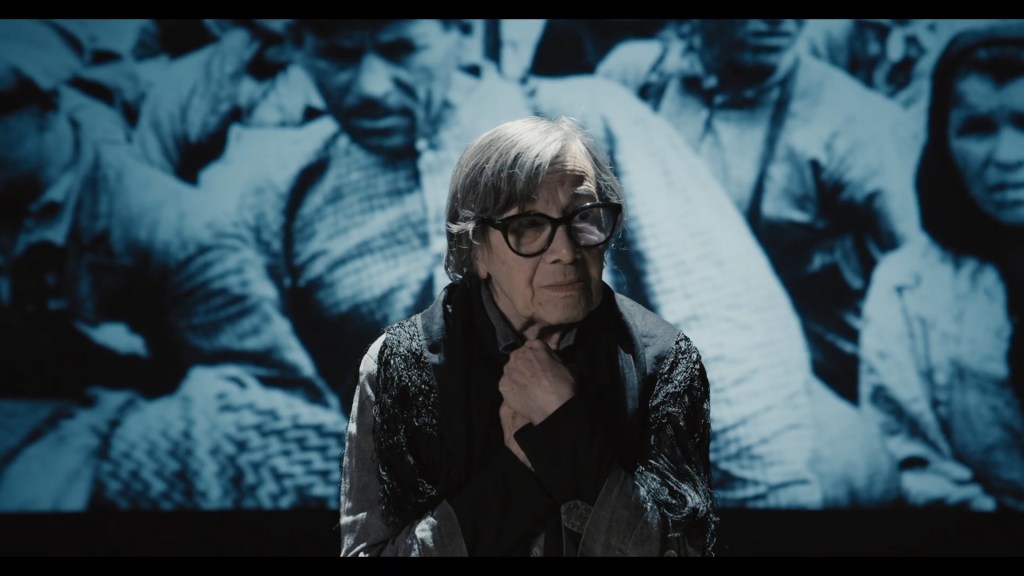
VIDEO. Why we do not know more about the day when the Soviets killed thousands of Romanians – the questions raised by the movie “Forest of Molids”. “He did not imagine that the soldiers will be able to shoot in thousands of people.”

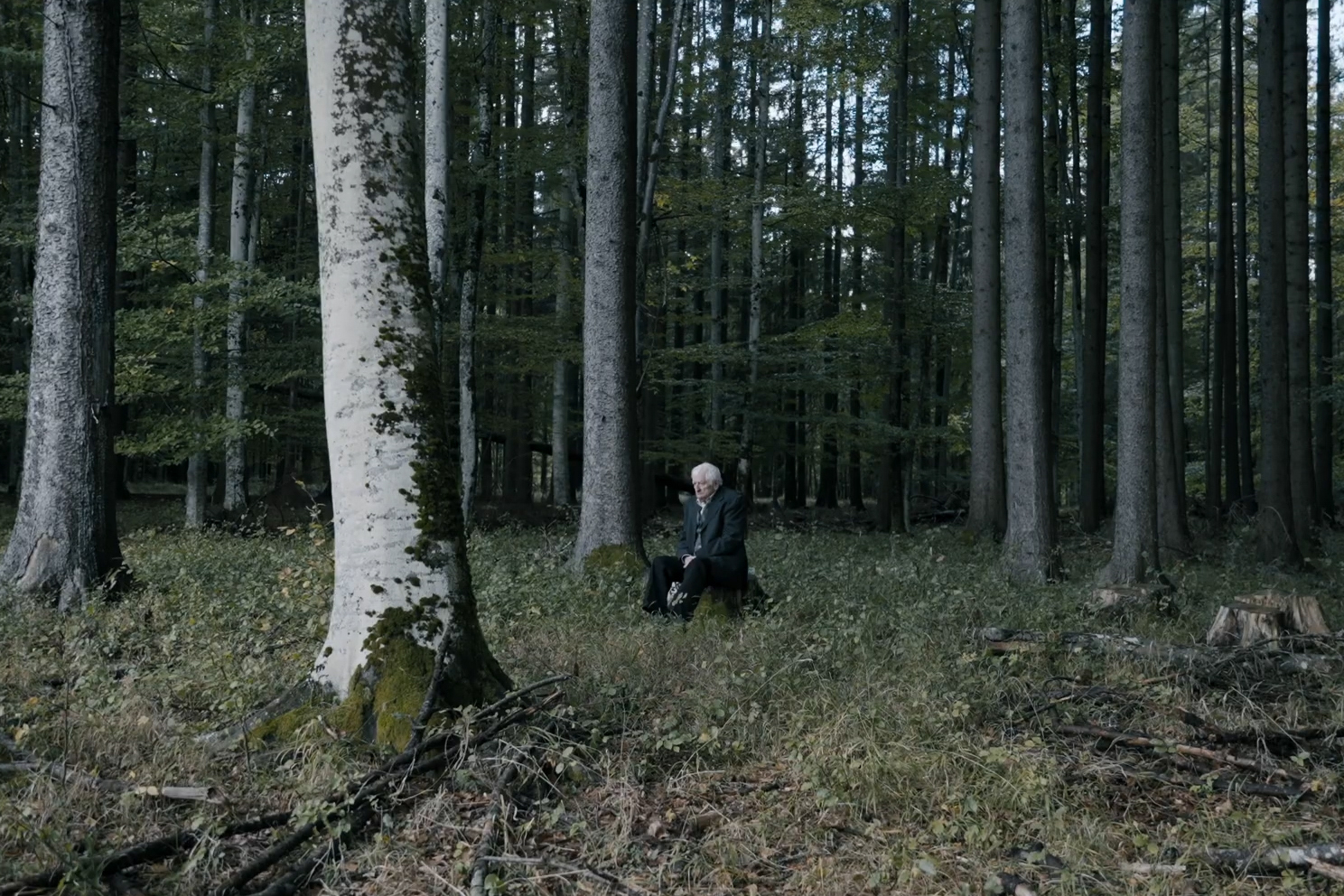
“The war does not end when it is not drawn, it moves into the soul of the man where an eternity is.” This expression remained in the film of Tudor Giurgiu “Forest of Molids” because, although it refers to a tragic event 84 years ago, the idea is still very current.
- The film “Forest of Molizi”, by Tudor Giurgiu can be seen in cinemas from all over the country since October 10
https://www.youtube.com/watch?v=mtn-zgyzdsm
History has shown us that wars do not necessarily end when there are no more rockets over people. This is even if some politicians are in a hurry to declare them finished, to collect their success prize.
On the other hand, “we have better, newer weapons, more” is not even a statement of peace, it is rather a challenge for the opponent. To make weapons as good as we and many.
Peace really comes after the weapons have stopped, but it's something other than that moment. Peace is peace when it is followed by “peace”, as good, us and many, to quote the above expression.
Because peace also means reconciliation with the enemy, with the past and awareness that the horrors of the war should not be allowed. Peace also means knowledge and recognition of historical truth.
From this point of view, the massacre from the White Fântâna, from Bucovina, from April 1, 1941, still has serious arrears towards us. Or we towards him.
“White Fountain” a tragedy we know too little about
The film “Forest of Molids” by Tudor Giurgiu, who entered theaters this weekend, talks about an important historical episode, but with surprising many details still unknown.
After northern Bukovina and Bessarabia were occupied by the USSR, many locals in the Cernăuți area, near the border, wanted to flee to Romania, but on the first day of April 1941 they were shot by the Soviet soldiers and then thrown into common pits. Some sources say many victims were buried when they were still alive.
The number of those killed in the massacre near the town of Fântâna White varies according to the source: Tudor Giurgiu, in his film, goes on the version of 3000 victims, a number based on the estimates and testimonies of the survivors.
The Soviets at one time recognized only 44 victims, a version subsequently embraced by Ukrainian historians today.
As there is no consensus on the number of victims, nor the reason why such a large group of people decided to leave, in the Romanian border, hoping that it will be allowed to pass beyond, it is not unanimously accepted.
Discussions with survivors
The film of Tudor Giurgiu who, according to his own statements, is based on the testimonies of some survivors of the massacre (Gheorghe Holovati, Gheorghe Sidoreanc, Gheorghe Crăsnean and Minodora Grijincu) try to reach this topic. But it does it with timidity, probably due to lack of information sources.
“Someone has poured you that you would have told people to run to Romania,” says the interviewer in the film Gheorghe, played by actor Mircea Andreescu.
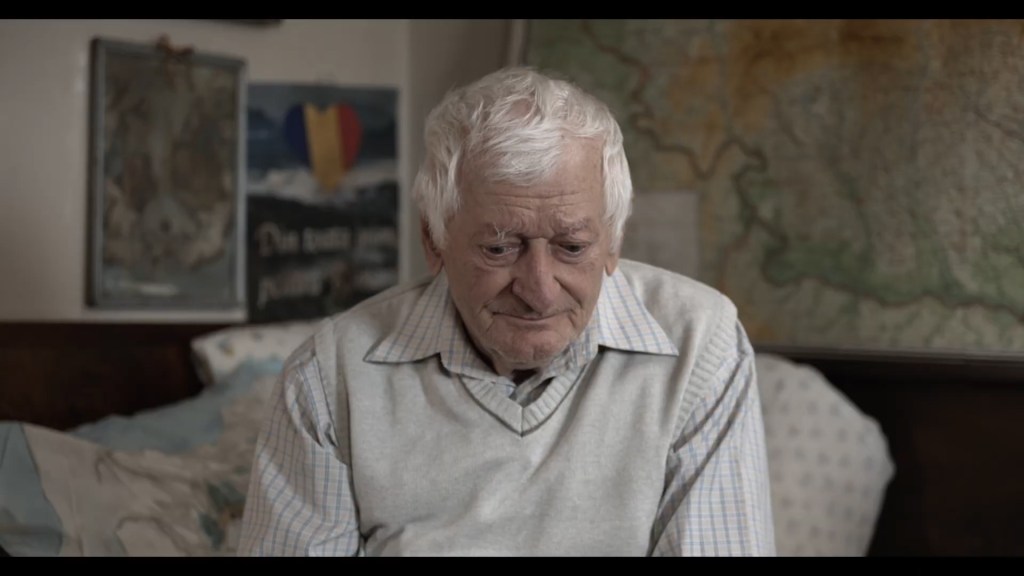
Gheorghe is one of the few fugitives who survived and managed to pass in Romania. Now at an old age, he tells the events that happened many years ago.
Gheorghe fits when he hears the accusation raised by the interviewer, and then acknowledges that he told the people of his village, Pătrăuți, not to be afraid to go to the border. In his opinion, the army is not allowed to shoot in large, organized groups, by people.
“Did anyone think that at the Revolution, the army would really shoot in protesters?” The survivor of the massacre, who bears this discussion, in Timisoara, nowadays.
The Ukrainian version, different from the Romanian one
However, when you are looking for historical references about this episode, you cannot help but notice the great contradiction between the Ukrainian and the Romanian version.
In 2021, 80 years after the event, a film made by the State Regional Administration in Cernăuți advanced the idea that the 1941 mass border crossing action was planned by Romanian secret services, as the Romanian language publication in Ukraine writes.
The same source also says that the Ukrainian authorities advanced in the respective film and the number of 50 victims.
A much more credible variant, supported by Romanian historians, is the one in which the Soviet Secret Service (NKVD) was the one who spread the rumor that the Soviet border guards let the Romanians cross the border. They would have been practically drawn in a race to give a lesson to all those who were tempted to flee to Romania.
In fact, after the northern part of Bukovina came into the USSR, in 1940, there were several border crossings, some successes, others that resulted, either with the arrest, or with the shooting of those who wanted to escape from the USSR. The episode of April 1, 1941 would have been the last.
The atrocal enigma of common pits
Even though there are now some academic studies that try to clarify it happened at the White Fountain, and the Romanian Parliament said April 1 – a national day of honoring the memory of massacres, deportations and other forms of repression organized by the Soviet regime, the subject continues to be disputed.
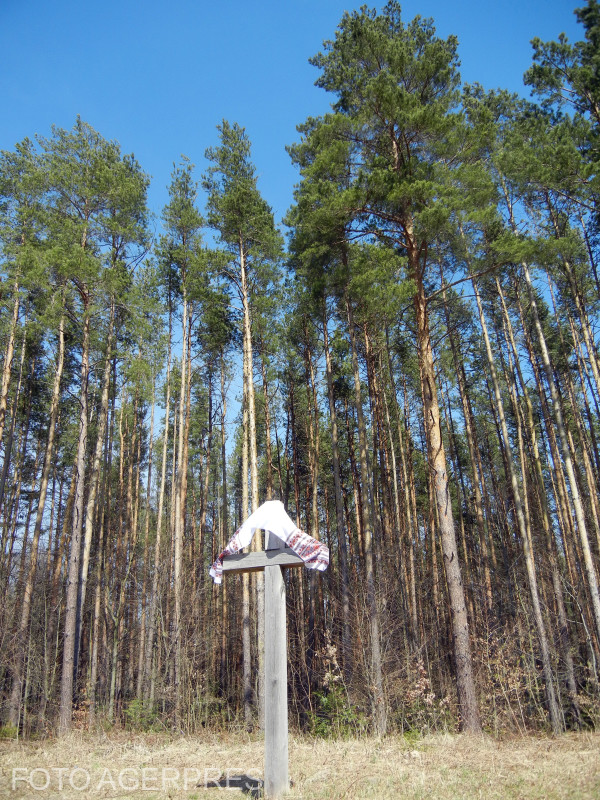
The lack of deepened information on the subject can also be noticed in the production of Tudor Giurgiu. We do not know, for example, where the common pits in which the victims were thrown. The film only talks about the fact that the Soviets have planted a wooden forest on the place of the tragedy. Here the authorities in Ukraine could definitely do more. In fact, the excavations that would clarify the number of victims could only be made by Ukrainians.
“(The Forest of Molizi-no) is a mix of fiction, archive materials and extracted from the absolutely earthquake confession of Gheorghe Holovati, the one I found in Timisoara at over 90 years, who told me with an incredible memory, he was a child, what happened to him in the forest. Thousands of people were there, moreover, then to bury some who were not dead and were buried in common pits, ”said Tudor Giurgiu last year, in an interview for Hotnews.
The massacre is politically instrumented
Every year, starting with 2000, commemorations take place at the place of the tragedy from the White Fântâna. If historians have not yet discharged all the details, that does not prevent politicians from doing their number.
The White Fountain is, for example, the town where the deputy gold Dan Tanasa launches his revisionist attacks against Ukraine every year. An event from the USSR period is now reproached for current Kiev authorities. But could the Ukrainians have made more to clarify this tragedy? Certainly yes.
A life story
The “Molid Forest” is not a historical documentary, although it has many images and archive photos. It's just a movie that tells the story of a broken family.
Gheorghe, 19, chooses to run to Romania, together with his father, and manages to escape the bullets of the Soviet border guards. Minodora, his wife, also 19, decides to stay home with the two girls.
However, she will be deported to Siberia, just because she was the wife of Gheorghe the one who had fled. From this moment, the lives of the two will take place separately. They meet in 1991, when Gheorghe returns home.
“The stake of the film is the way we relate to the historical truth, the way we relate to a history that has happened 80 and some years ago, to the traumas, some of them forgotten of this community, traumas that I think there are and their consequences reach somewhere so far,” said Tudor Giurgiu in the interview for Hotnews.
That is why Minodora, played by actress Coca Bloos, says at one point that “the war moves to the soul of the man where there is an eternity.” And for the wars that mutilate souls, there is usually not much peace. Or there are, but most of the time it comes too late.