Maria Branyas's secret diet, the woman who lived 117 years. The food they consume three times a day


When María Branyas Morera died, in 2024, at the venerable 117 -year -old, she did not leave only memories behind. It gave science a precious gift: samples from its intestinal microbiome. The results even surprised the researchers: her intestine was as diverse and rich in beneficial bacteria as a person with decades. This “Microbian signature” It is associated with body resilience and longevity. The Mediterranean diet and the daily habit of consuming yogurt seem to have had an essential role.
Sure, not all of us can inherit “Lucky genes”however, specialists point out that the way we nourish and care for our intestinal flora could be one of the most effective keys for a long and healthy life.
In this article, you will discover how the microbiome can influence the health and longevity, what intestinal bacteria are associated with vitality and what are the foods and habits that support the balance of the intestinal flora, but also what we can learn from the example of Brayas to take care of our own microbiom.
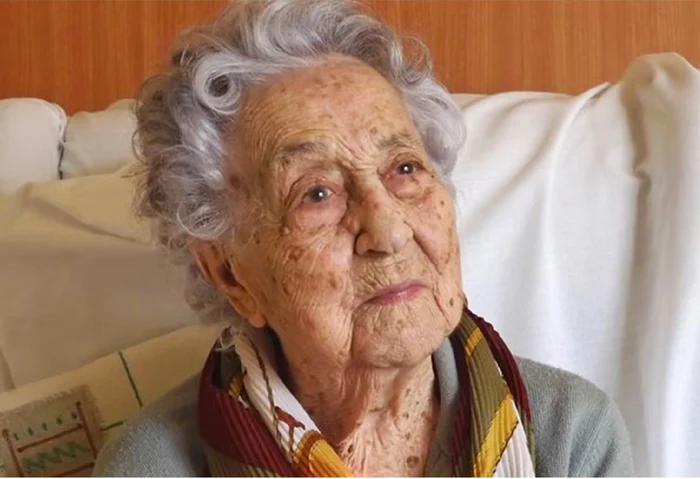
Maria Branyas Woman who has lived 117 years Video Cbs Evening News
Longevity secrets: genes, lifestyle and microbiom
Recently published study in Cell Reports Medicine Probably describes the most detailed scientific analysis ever performed on a supercence (person who exceeds 110 years). Before died, María Branyas agreed to participate in research meant to reveal the secret of her extraordinary longevity.
Comparing her samples with those of other people, scientists have confirmed what was previously anticipated: Brayas wore rare genetic variants, protectors against common diseases. But the true revelation came from elsewhere – from the microbiome.
This microscopic universe, made up of bacteria, fungi and other microorganisms that live in the intestine, plays a vital role: it digests food, produce vitamins, shapes immunity and communicates directly with the brain. Unlike genes, the microbiome can be significantly influenced by diet and lifestyle.
In other words, we may not be able to control what we inherit, but we can decide what we grow.
The microbiome and the youth of the body: what teaches us supercenters
Usually, as we age, the diversity of the intestinal microbiome decreases: the number of microbial species is reduced, and the beneficial bacteria – such as bifidobacterium – disappear gradually. This loss of diversity is commonly associated with the fragility and decline of health.
In the case of Maríei Brayas, however, things were exactly the opposite. Her intestine looked as “young” Like a much younger adult and was unusually rich in the Bifidobacteriaceae bacterial family, especially in bifidobacterium. At most of the elderly, these bacteria disappear gradually, but at Brayas the levels were high – a feature already observed in other centenary and supercenters. The researchers believe that this exceptional microbiome of diverse has contributed to the protection of the digestive and immune system, thus supporting its extraordinary longevity.
Bifidobacteria are among the first microorganisms that colonize the intestine of a newborn and remain beneficial throughout the life. Studies associate them with stronger immunity, protection against gastrointestinal disorders and cholesterol regulation.
What did the diet containing the microbiome of the woman who lived 117
What helped Branyas to keep these bacteria at such high levels? Diet. She confessed that she ate three yogurts daily, each full of living cultures that favored the development of bifidobacterium (beneficial bacteria). In addition, a Mediterranean -style diet followed, frequently associated with the diversity of the microbiome and with optimal health.
Other friendly sources for bifidobacterium include chefir, kombucha and fermented vegetables, such as kimchi or pickled cabbage. These foods bring probiotics – living bacteria that colonize the intestine and provide health benefits. But probiotics need “combustible”.
This is where prebiotics intervene – fibers that we cannot digest, but which feed the intestinal microbes. They are found in abundance in foods such as onion, garlic, leeks, asparagus, bananas, oats and legumes. Together, probiotics and prebiotics maintain the balance of microbiome.
Of course, the study analyzed only one case, and scientists do not claim that the microbiome was the only factor that explained the long life of Maríea Brayas. Its amazing longevity was, most likely, the result of a complex combination of factors: protective genes, efficient metabolism, reduced inflammation – and, very possible, the support of a diverse and healthy microbiome.
The role of yogurt in the diet of Maríei Brayas, 117 -year -old supercenters
In a recent intervention for American TV CBS Evening News (See video)on the theme of the elderly in the world, Dr. Manel Esteller, one of the most influential researchers in the field of epigenetics and intestinal health, spoke about the custom of Brayas Maria to consume yogurt. The Spanish doctor stressed that this custom, along with the Mediterranean diet, was one of the factors that supported the health and vitality of Maríei Brayas during the 117 years of life. Esteller explained that yogurt contributes to reducing chronic inflammation, one of the main factors in the aging process and the onset of chronic diseases.
Even after the study, some researchers acknowledged that they began to include more yogurt in their diet, inspiring from the habits of María Brayas. But Catalan itself used to say that “Yogurt gives life”and her extremely long life remains the proof of this simple wisdom.
Born in 1907 in San Francisco, but established in Spain at the age of eight, María Brayas survived the two world wars and two pandemics, with three children and 13 great -grandchildren. He never smoked, did not consume alcohol and followed a diet rich in fish, olive oil and yogurt, demonstrating how smart food and habits can support long -term longevity and health. He also used to say that one of the secrets of his longevity was to stay away from toxic people.
Microbiome and longevity: What does science say about intestinal bacteria
Microbiom research is advancing at an amazing speed, but no one knows how it looks “Perfect microbiome”. It is only known that a greater diversity of the intestinal flora tends to be associated with better health. The case of Maríea Branyas strengthens an increasingly obvious consensus: a diverse and beneficial microbiome supports the resilience of the body and the long -term well -being.
Although genes cannot be chosen, we can feed bacteria “Good”beneficial, from the intestine through simple steps: the consumption of fermented foods – yogurts with living crops, chefir, kimchi, pickled cabbage – along with fruits, vegetables, legumes and whole grains, which provide the necessary prebiotics beneficial to prosper.
Another proven model is the Mediterranean diet, based on vegetables, fruits and whole grains, with olive oil as the main source of fats and fish and legumes regularly. Red meat, ultra -home foods and added sugars are minimized. Numerous studies link this type of nutrition to a higher microbiome diversity and a low risk of diseases.
Simple steps for a balanced microbiome and a healthy life
Although no one can guarantee a life of over 110 years, food habits and lifestyle adopted by María Branyas Morera clearly show that a healthy microbiome can play an essential role in disease prevention. The diet rich in fermented foods, prebiotics, fruits, vegetables, legumes and whole grains, as well as respect for the principles of the Mediterranean diet, contributes to maintaining a diverse and balanced intestinal flower. It is associated with a lower risk of cancer, type 2 diabetes and cardiovascular disease.
The life of Maríei Branyas remains a living proof that longevity is the result of a subtle balance between genetics, lifestyle and biology. We cannot control all factors, but we can take care of our intestinal microbiome – a simple, accessible and efficient step for lasting health and an active life. Through smart food choices and habits that support bacteria “Good”each of us can contribute to the balance of the microbiom, the basis of an optimal longevity and vitality.