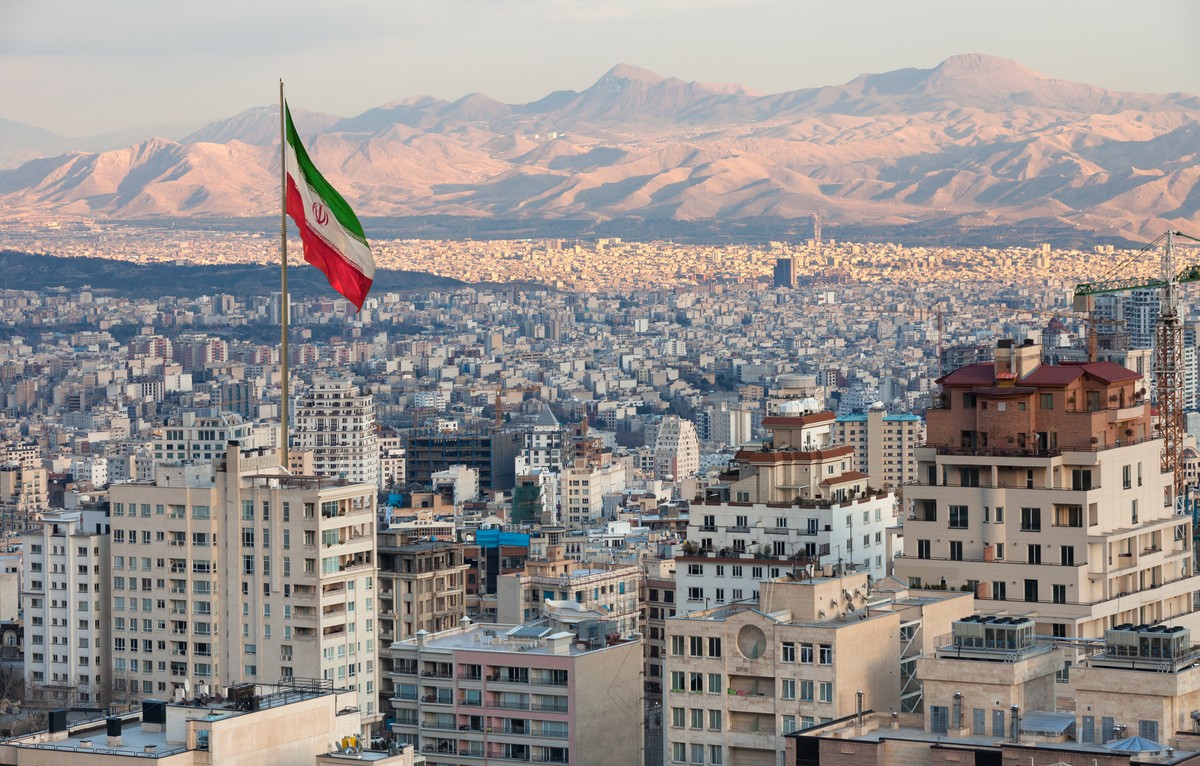
During a speech in the province of Hormosgan, President Pezeszkian reminded that the idea of transferring the capital was already considered before, but the current situation forces the decisive action. The head of the state indicated that the reduction of rainfall by 50-60 percent. In recent years and a record low water level in retention reservoirs pose an unprecedented threat to Tehran's functioning.
According to Pezeszkian, at the current level of consumption, the cost of water transport to the capital can be up to 4 euros per cubic meter. He also added that the main tanks supplying the city currently operate with a capacity not exceeding 20 %, and many of them are close to complete exhaustion. The problem is also deepened by land settlement, caused by excessive pumping of groundwater. In some of Tehran's districts, Earth settles at a rate of 30 cm per year.
Read also: During the drought, the British government prepared recommendations for citizens. One of them is unusual
Iran dries
The demographic explosion, which Iran has survived in the last hundred years, additionally burdened the country's natural resources. The population increased from 20 million in 1960 to over 92 million, which coincided with a dramatic decrease in renewable water resources – by about 35 percent. As the Atlantic Council analysts emphasize, 80 percent Water consumed in Iran uses inefficient agriculture, which leads to the exhaustion of groundwater and depopulation of rural areas. Since 2013, about 10 million farmers have abandoned their farms, migrating to the outskirts of large cities.
Experts warn that without comprehensive reforms, Iran is threatened with a collapse of ecological balance and an increase in social tensions. The idea of moving the capital has been appearing for decades, and in 2016, the parliament approved the application to examine this possibility. However, the high costs of the project and political resistance prevented the implementation of the plan.
The Iran International portal emphasizes that Masud Pezeszkian is the first president of Iran who openly recognized the capital's relocation as inevitable. The decision to choose a new location, however, still remains in the sphere of discussion, and the country is struggling with time pressure and growing environmental problems.