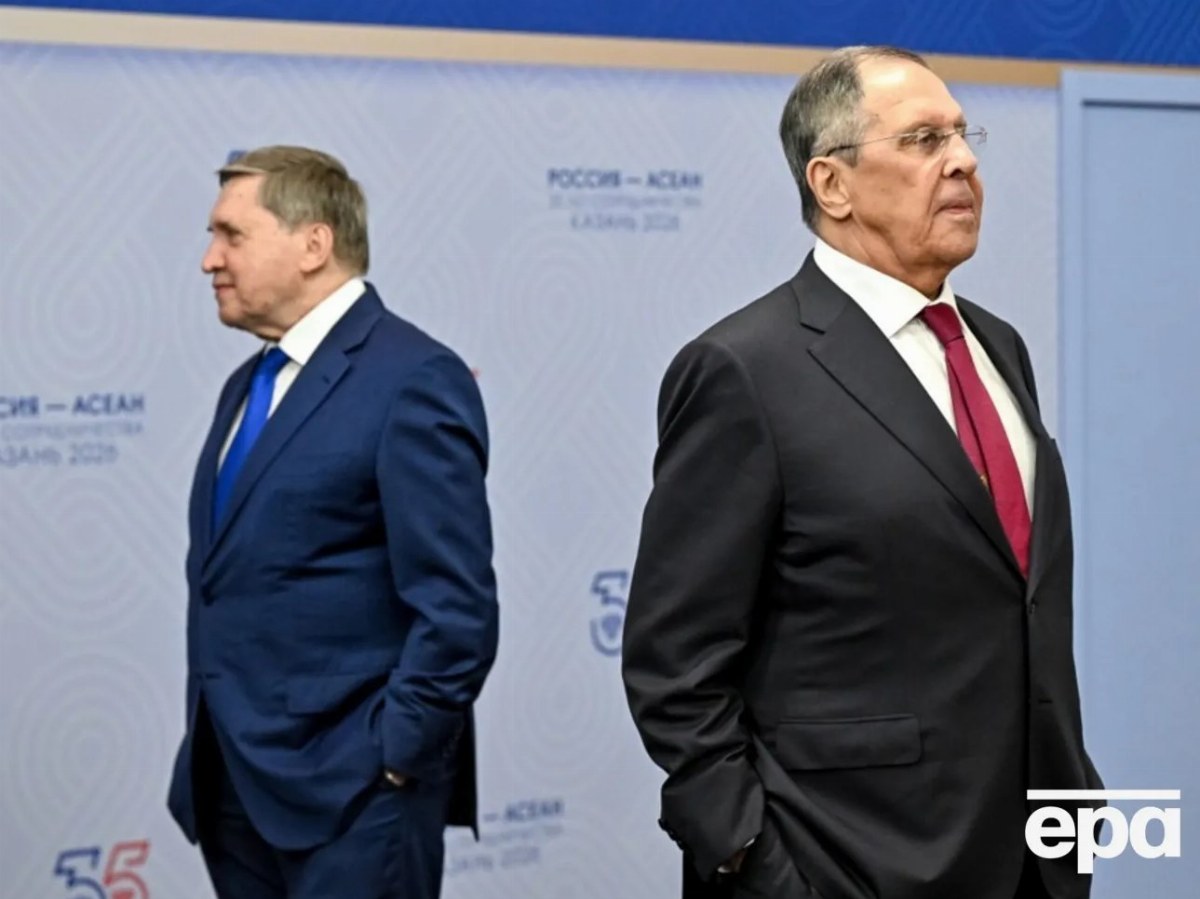
EU considers stricter controls on Russian diplomats’ movements amid hybrid attacks in Europe
Senior officials indicate that the European Union (EU) is likely to enhance restrictions on Russian diplomats as part of its ongoing sanctions strategy. This consideration comes in the wake of increasing hybrid attacks on European soil attributed to Moscow.
Last month, Hungary expelled ten Russian diplomats for what it characterized as “unacceptable” behavior, leading to reciprocal measures from Moscow. Incidents linked to these hybrid attacks include a fire at a defense facility in Estonia and attempts to drone-strike an airport in Germany, raising alarm about collective security within the EU.
Currently, discussions regarding these restrictions are in their early stages and build on a mechanism introduced last year under the EU’s 19th sanctions package. This existing requirement mandates Russian diplomats in the EU to notify authorities at least 24 hours in advance of any intent to visit or transit through another member state.
This rule applies to all ranks of diplomatic and consular staff, including ambassadors, as well as their families. While this framework has enhanced EU authorities’ ability to monitor Russian diplomats’ movements, it does not impose limitations on them, as reported by Euronews.
According to the same outlet, member states may implement a more stringent procedure requiring Russian diplomats to obtain permission for transit. If permission is denied, the diplomat will be barred from crossing the border. Currently, this procedure remains voluntary.
However, during discussions in Brussels, it will be essential to consider the Vienna Convention, which grants diplomatic representatives extensive rights and guarantees in their daily operations, Euronews adds.
Context
- On August 23, The Telegraph reported, citing Western intelligence sources, that Russia is recruiting criminal groups for sabotage operations at European defense plants to circumvent direct NATO responses. Furthermore, Russian drones have been repeatedly spotted in EU countries, and there have been numerous provocations involving violations of NATO airspace by Russian aircraft.