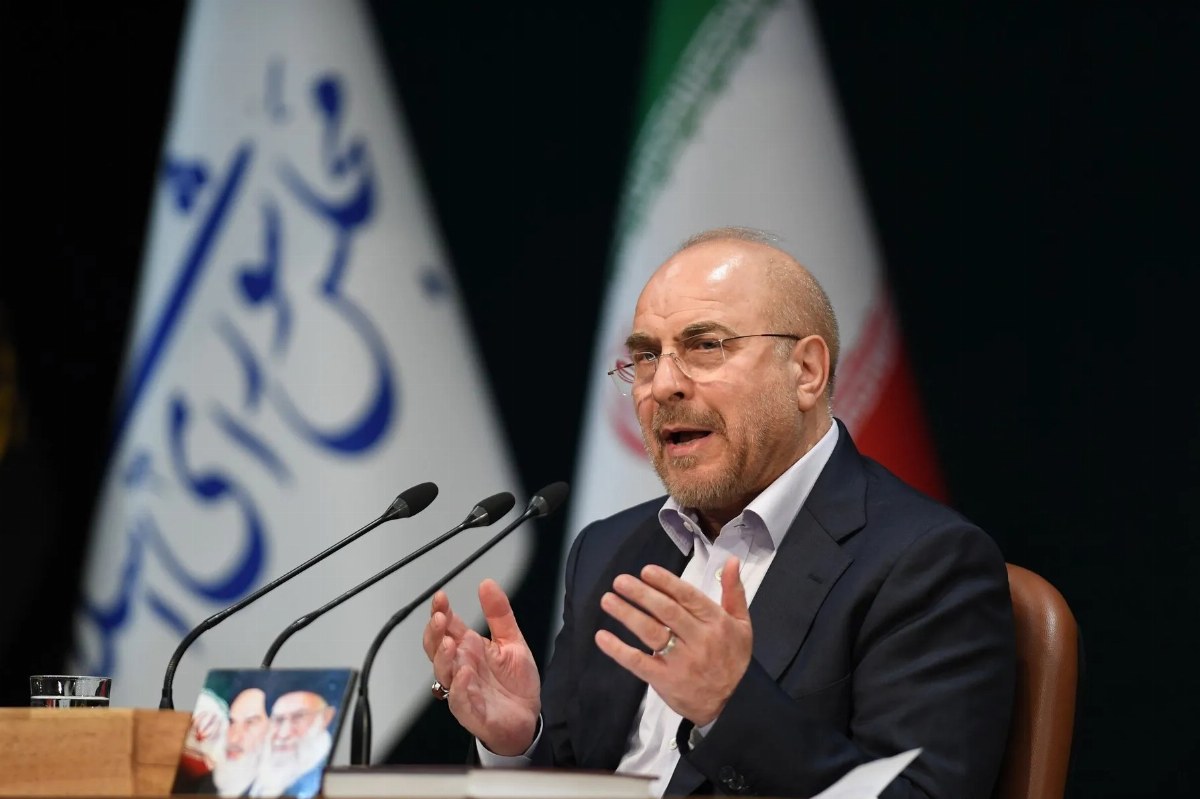
The Strait of Hormuz will not reopen until Iran’s seven stipulated conditions are fulfilled, according to Mohammad Baqer Qalibaf, the president of Iran’s parliament. This statement came following an interim agreement reached with the United States in June. Qalibaf made his remarks on Sunday, shortly after Tehran received a response from Washington concerning its diplomatic proposals.
He emphasized, “Americans have recently made proposals through a mediator, despite claims to the contrary in the media. They need to understand that the time for delays and unilateral demands has ended.” Qalibaf reiterated that Iran’s position is unequivocal and firm, stating that the Strait will remain closed until their conditions, linked to the Memorandum of Understanding from Islamabad, are met.
Iran’s Foreign Minister, Abbas Araqchi, also addressed the situation, stating that a plan presented by Tehran could lead to the reopening of the Strait of Hormuz within seven days if accepted. Araqchi explained Iran’s clear conditions for reopening and noted they are contingent upon U.S. commitments.
“We Are More Prepared Than Before”
Araqchi expressed hope that Washington would choose diplomacy, but warned that Iran is ready to respond if the U.S. opts for military action. “If they choose military solutions again, we are more prepared than before and will take any necessary action to defend ourselves,” Araqchi stated.
This declaration comes as diplomatic negotiations to resolve the regional conflict have reached an impasse, as reported by AFP. Additionally, three U.S. officials revealed that a meeting took place at Camp David on Friday among key members of Donald Trump’s cabinet to discuss the next steps regarding Iran and the situation in Yemen.
U.S. and Iranian officials previously met at the end of September during the United Nations General Assembly, prior to Iran proposing a seven-day reopening plan for the Strait in exchange for the lifting of some economic sanctions imposed by the U.S.
U.S. Halts Strikes on Iran
Donald Trump rejected the proposal but left the door open for continued indirect negotiations, without excluding the possibility of future military actions against Iran. Meanwhile, Washington has intensified its economic warfare against Tehran, imposing new sanctions on its aviation sector.
On the ground, there has been relative calm in recent weeks, with the U.S. refraining from striking Iran since September 1, although vessels continue to be regularly targeted in the Strait of Hormuz.