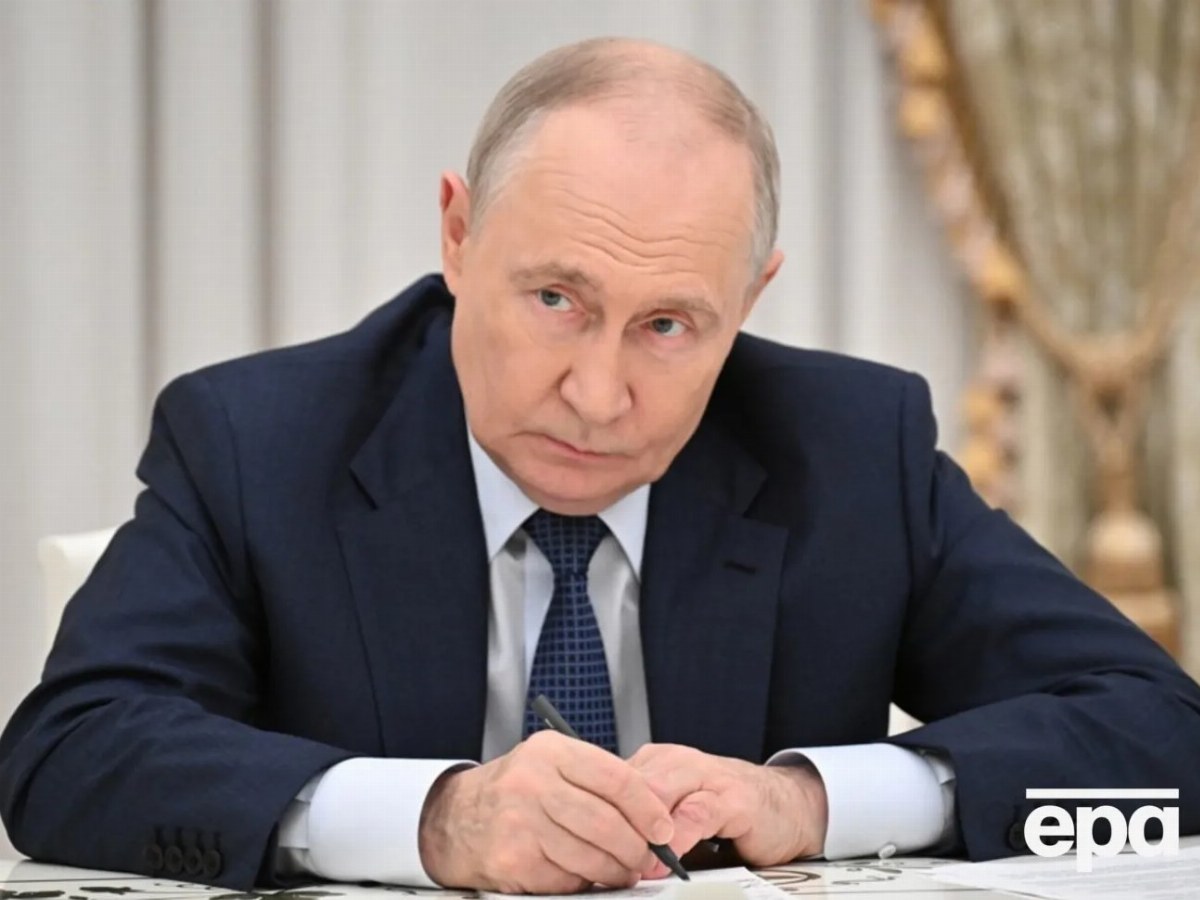
Analysts suggest that Russian President Vladimir Putin’s position on Ukraine reflects a deep-seated resentment over the collapse of the Soviet Union. He perceives the reclamation of Ukraine as essential for overcoming the dissolution of the USSR, which fuels his desire to undermine Ukrainian sovereignty.
The fact that Putin has framed the invasion as a return of “historically Russian lands” raises significant doubts about the viability of any settlement based on current front lines. Such an agreement would likely confine Russian gains to specific territories while leaving the rest of the country free from Kremlin control, allowing Ukraine to strengthen its ties with the broader Western world. This would be viewed in Moscow as a “major defeat,” resulting in Putin’s legacy as the leader who “lost Ukraine.”
Current evidence indicates that Putin is not interested in ending the conflict nor coexisting with an independent Ukraine. His determination to erase Ukraine from the world map and his regime’s dependence on ongoing military conditions make further escalation a more probable outcome than peace. Analysts assert that Putin sees two potential paths in Ukraine: total victory or relentless warfare. Should he fail to secure victory, it is likely he will opt for an indefinite continuation of the conflict over riskier compromises that could jeopardize his regime’s stability.
The report highlights that Russian escalation is already underway, entering a new phase marked by significantly higher levels of casualties and destruction beyond the battlefield. In recent months, Russia has intensified attacks on civilian targets across Ukraine aimed at terrorizing the population and disrupting everyday life.
Simultaneously, Russia is expanding its covert operations and acts of aggression across the European Union to deter allies from supporting Kyiv. According to The Atlantic Council, this deteriorating outlook mocks current U.S. diplomatic efforts, which, while commendable, reflect a fundamental misunderstanding of Putin’s maximalist stance. Serious negotiations are expected to commence only when the illegitimate Russian president faces substantial pressure from Ukraine’s international allies. Peace with Putin’s Russia, it is concluded, can only be achieved through strength.
Context
- Kyiv and other cities have experienced near-daily attacks in recent weeks, resulting in civilian casualties and the destruction of residential buildings and critical infrastructure.
- The American Institute for the Study of War (ISW) believes that through drone and ballistic missile strikes on civilian infrastructure, Putin aims to force Ukraine to capitulate by spring 2027.