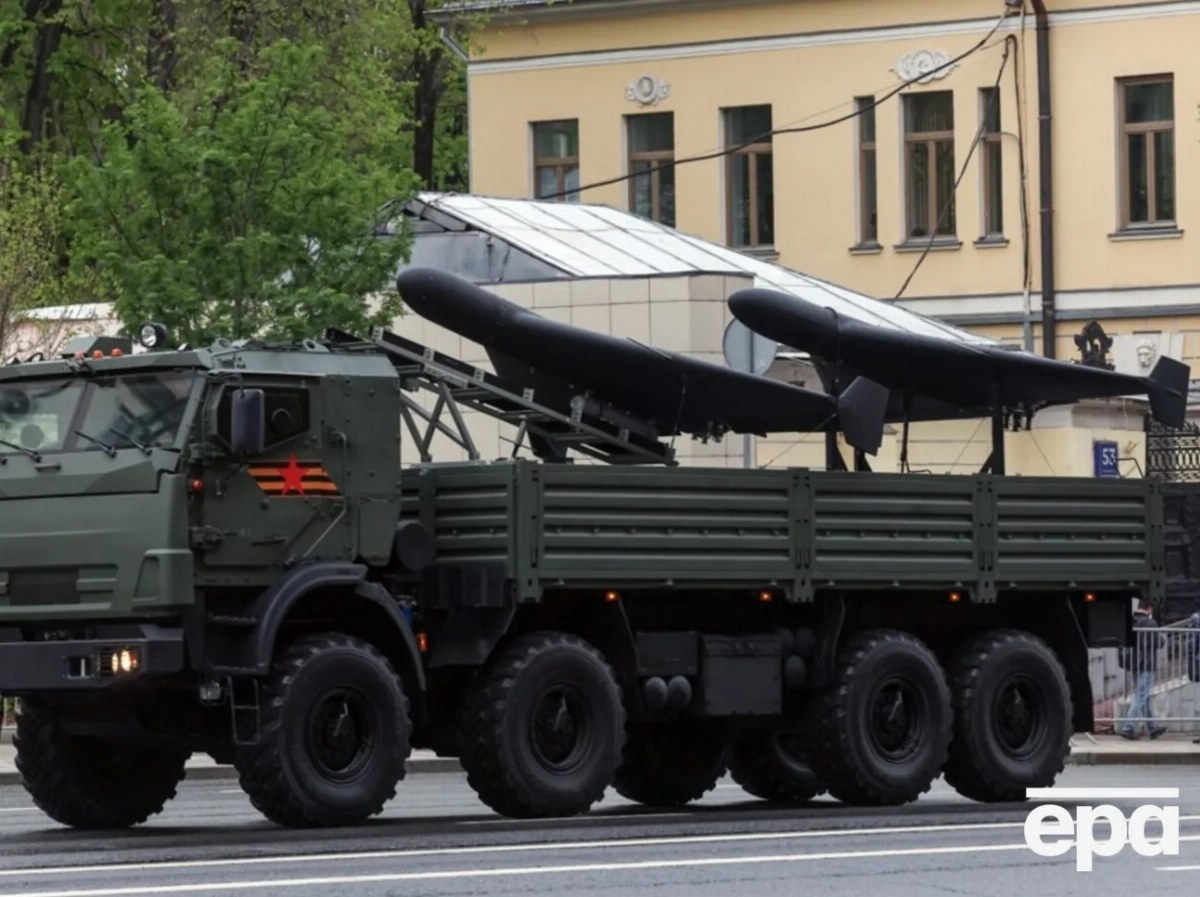
The Ukrainian Armed Forces reported that in June 2026, Russia released approximately 350 UAVs, followed by 1,500 in July and more than 2,800 in August. This trend indicates a significant escalation in drone deployments.
“The numbers are increasing. The interception rate remains relatively high, given the limited capabilities of our Air Force, with about 60% of UAVs being shot down at various stages of their flight,” stated spokesperson Ignat.
He emphasized that not all anti-aircraft systems can effectively target the reactive drones, attributing greater effectiveness to aviation support.
According to Ignat, Russia has begun to modify its use of drones based on weather conditions, particularly considering meteorological factors along flight paths and target areas.
“Fog or cloud cover complicates air defense operations, prompting the enemy to deploy either reactive Shahed drones or conventional units,” he explained.
The Air Force anticipates an expansion in the production of “affordable, rational, yet effective” systems designed to intercept UAVs, added Ignat.
Context
- Vadim Skibitskyi, Deputy Head of the Main Intelligence Directorate of Ukraine’s Ministry of Defense, stated that Russia is readjusting its production of strike UAVs, focusing on turbojet models “Geran-4” and “Geran-5,” as previous models have been effectively intercepted by air defense forces.
- Serhiy Beskrestnov, an advisor to President Volodymyr Zelenskyy on defense technology, noted on August 30 that Russia began launching reactive Shahed drones almost directly from the factory.
- On September 19, Zelenskyy announced that the Security Service of Ukraine successfully deployed a new interceptor drone to counter reactive UAVs.