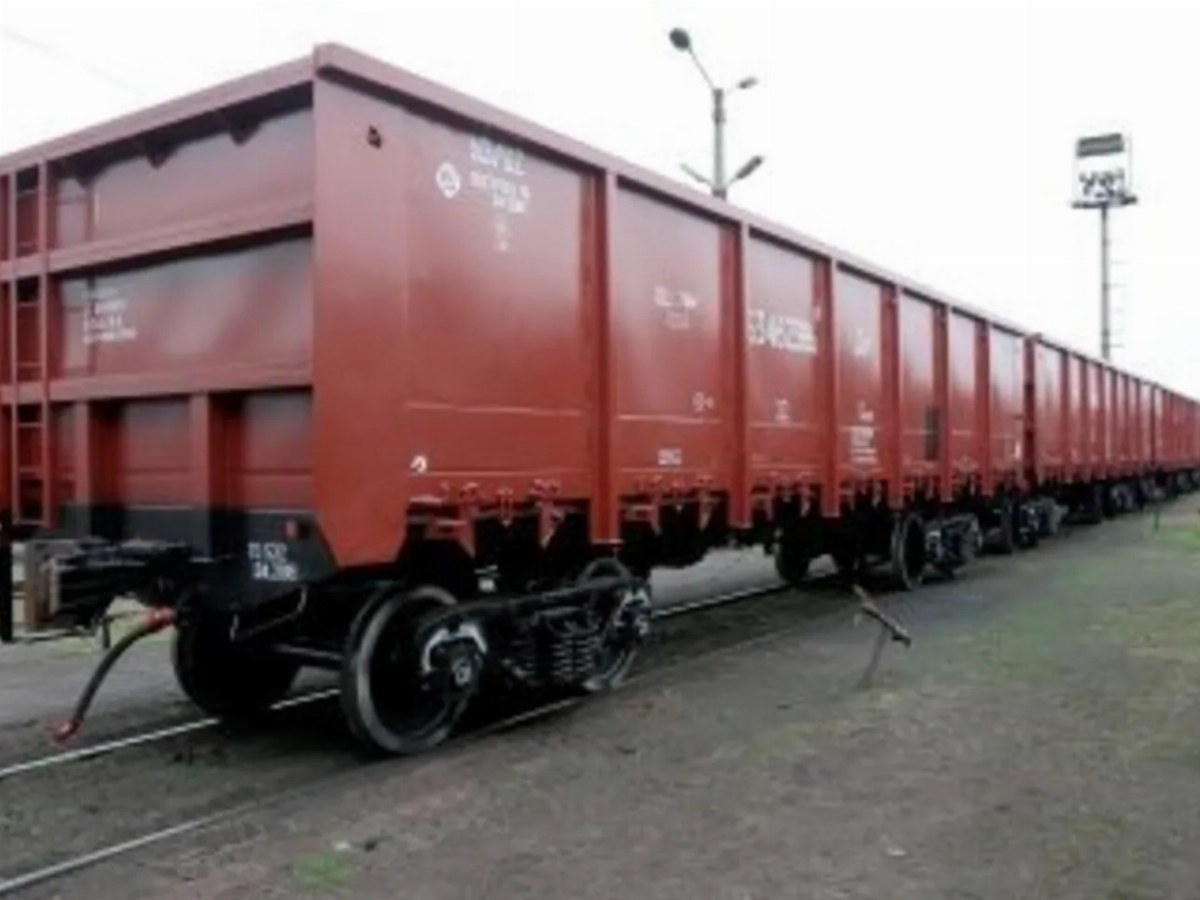
In the second quarter of 2026, average daily rail freight volumes decreased by 4% compared to baseline levels, according to reports. In the Dnipro region, the decline reached 17%.
Kalenkov emphasized the critical role of railways in maintaining economic activity in frontline areas. He warned that the inability to consistently offload products poses risks for factories, mines, grain elevators, and other enterprises.
“Ensuring transport capacity is not only about logistics; it is a matter of state policy to maintain economic and demographic presence in regions we aim to preserve,” he stated.
One major challenge cited by the president of Ukrmetallurgprom is the shortage of locomotive crews. In 2026, approximately 30 trains fail to operate daily due to a lack of engineers.
Additionally, according to the Ministry of Community Development and Territories, since the beginning of the full-scale invasion, Russia has attacked Ukrzaliznytsia 6,119 times, with over 1,500 attacks occurring in 2026 alone. These strikes have damaged 508 locomotives.
Kalenkov warned that if the current trends continue, the deficit of locomotives for freight transport could worsen in 2027, especially after industrial production recovers and demand for export transport increases.
To address these issues, Kalenkov proposed the establishment of a “railway Ramstein”—an international mechanism to secure funding, technical assistance, and additional resources from Ukraine’s partners.
“To increase exports tomorrow, we must solve the problem today,” he stressed.
The president of Ukrmetallurgprom also urged the government to develop a comprehensive five-point plan: staffing the railways, restoring locomotive traction, auditing and repairing the freight car fleet, enhancing infrastructure protection, and creating a unified system for daily monitoring of transport capacity.
According to Kalenkov, this system should track the actual availability of locomotives, crews, wagons, tracks, stations, border crossings, and ports. This would allow for early identification of resource shortages and prevent situations where the railway loses the ability to transport necessary freight volumes.