Bangladesh is grappling with the most severe measles outbreak recorded globally, with 999 confirmed and suspected deaths since March, as health authorities warn that missed vaccinations and vaccine supply issues have left children vulnerable.
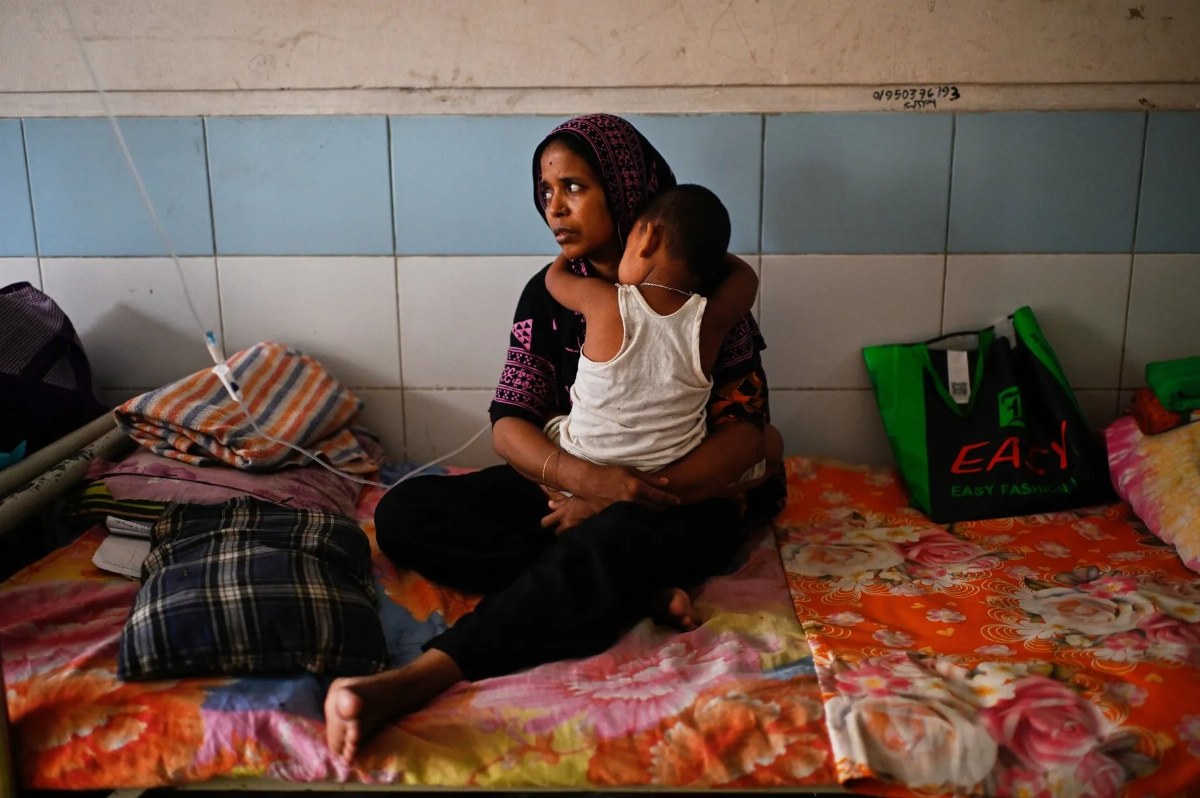
Hospitals are overwhelmed with an influx of sick children, lacking resources to cope with the crisis. The situation has escalated following the disruption of routine immunization programs in 2024 and 2025, attributed to political turmoil following a violent uprising against former Prime Minister Sheikh Hasina.
Immunization Program Disruption
Despite a national emergency vaccination campaign launched in April, the prolonged epidemic highlights the consequences of halted immunization efforts during a period of political instability. Currently, the Centers for Disease Control and Prevention lists Bangladesh as facing the largest measles outbreak worldwide.
Experts indicate that missed vaccinations, especially among infants under nine months old who cannot receive routine shots, have exacerbated the spread of the disease across all age groups.
166,000 Suspected Measles Cases
Since the outbreak began, more than 166,000 suspected measles cases have been reported, including 19,835 lab-confirmed infections, according to the Ministry of Health. The outbreak is linked to 999 deaths, with 100 confirmed to be caused by measles, while over 146,000 suspected patients have been hospitalized.
The outbreak’s emergence has been attributed to poor program coordination, inadequate monitoring, and changes in procurement policies implemented by the interim government, which disrupted vaccine availability, leaving many children unprotected against this highly contagious disease.
Health Minister Sardar Md. Sakhawat Husain stated in parliament that procurement procedure changes have resulted in vaccine shortages, while the postponement of vaccination programs to 2024 and the cancellation of a national measles and rubella campaign for the following year have left many children vulnerable.
The World Health Organization, UNICEF, and other health agencies have also highlighted the disruption in immunization programs.
Children under five years old accounted for about 80% of cases in the early stages of the outbreak.
“The Saddest Aspect is That the Victims Are Children”
This epidemic follows years of progress towards measles elimination. Bangladesh maintained high vaccination coverage throughout much of the last decade, remaining at or above the 95% threshold recommended by the WHO, except for a drop during the COVID-19 pandemic.
“Bangladesh did not achieve its measles elimination goal due to vaccination gaps in 2024 and 2025,” said Professor Mahmudur Rahman, an epidemiologist and former director of the Institute of Epidemiology, Disease Control and Research. “To my knowledge, Bangladesh has never recorded so many children dying from measles. I have never seen such a high number of patients in a single year. It is truly horrifying, and the saddest aspect is that the victims are children,” he added.
Rahman emphasized that addressing immunity gaps, increasing vaccination coverage, and intensifying public awareness campaigns are immediate priorities to control the outbreak.
Hospitals Under Pressure
Hospitals are currently struggling to manage the surge in measles cases while also contending with a rising number of patients suffering from dengue fever, further straining an already overburdened healthcare system.
According to the Ministry of Health, over 45,000 individuals have been hospitalized due to dengue this year. As of Tuesday, dengue-related deaths have risen to nine, with hospitalizations reaching a record daily high of 1,571 this year.
“Patients are arriving in waves, and it is very difficult to accommodate them all,” said Dr. Nanda Dulal Saha, acting director of the state-run Shaheed Suhrawardy University Hospital in Dhaka, which currently has only 60 beds for measles patients, while many are treated on the floor. “/p>
Saha noted that the lack of pediatric saline solution, which can help alleviate measles symptoms, complicates the situation. The hospital, designed to care for 1,350 patients, is currently managing over 2,350.
The dual health crisis posed by measles and dengue underscores the challenges faced by Bangladesh’s healthcare system in maintaining routine services while responding to preventable infectious diseases.
Measles is one of the most contagious diseases worldwide and typically causes fever and a characteristic rash, but it can be prevented through two doses of vaccine.