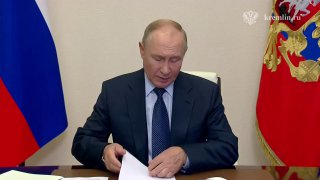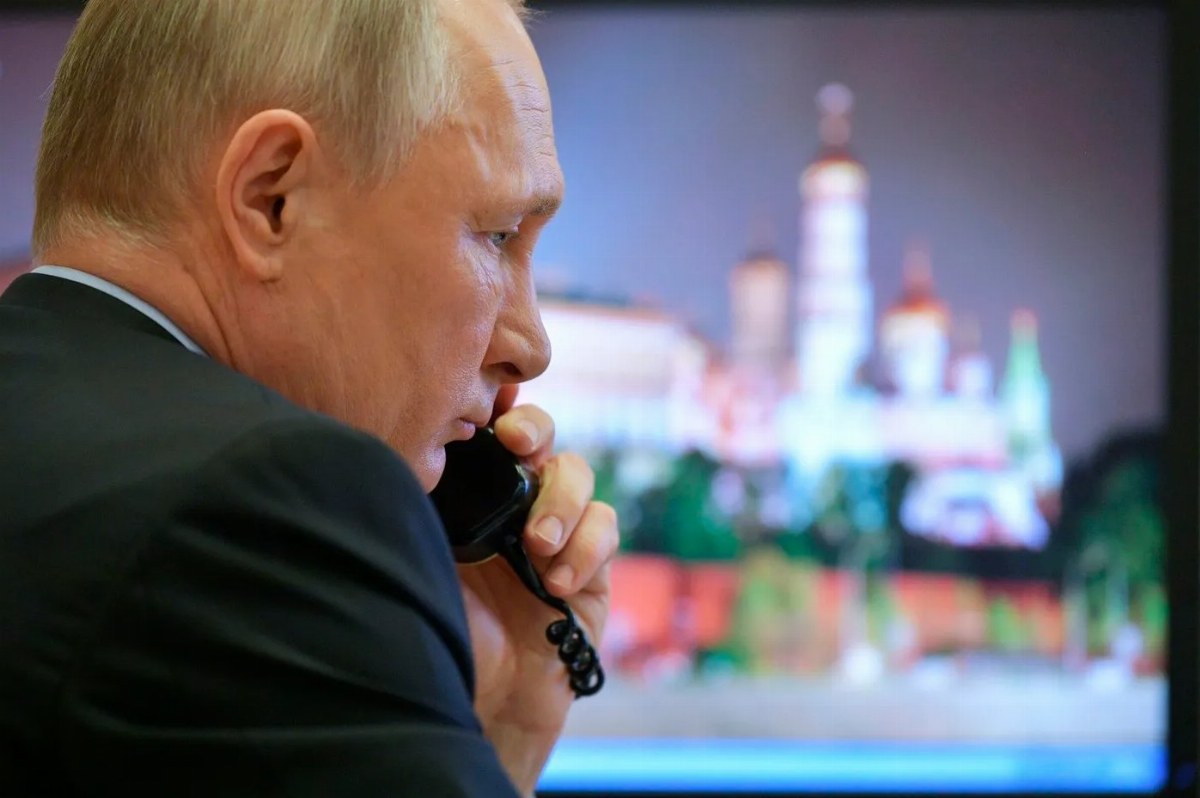
Russian President Vladimir Putin is increasingly anxious about his security as the war in Ukraine continues without achieving even the minimum goal of capturing the entire Donbas region. Reports from The Economist, cited by Meduza and The Moscow Times, reveal his concerns.
Sources close to Putin have stated that he expressed fears to confidants, reportedly saying, “They will hang me.” However, the context of this statement and additional details of the conversation remain unspecified.
According to the authors of the article, public dissatisfaction with the war is rising among Russian citizens, and the mood among the elite is even more bleak.
Similar sentiments about the elite’s disillusionment with the war have previously been reported by other renowned publications, including The Washington Post.
Growing Sentiment of Leadership Weakness
One source told The Economist that Putin’s greatest concern is not just the state of Russia’s economy or the lack of military successes, but rather the time wasted; nearly five years of conflict in Ukraine is an unerasable failure for Moscow.
“There is a growing sentiment that the tsar is naked,” remarked another insider in the Russian elite, reflecting a loss of confidence in Putin’s leadership.
The Kremlin recognizes that the current state of the war cannot persist as it is. One source indicated that “inertia scenarios are not beneficial for the Kremlin,” highlighting that economic resources and political capital are being squandered.
Despite the challenges, The Economist emphasizes that none of the economic or political issues currently facing Russia are fatal for Putin. He retains economic resources and a repressive apparatus that enable him to continue the war. Nonetheless, public perception of the war’s progression is critical.
Putin’s Reluctance to Show Weakness
The article’s authors note that while no one can definitively ascertain Putin’s thoughts, extensive discussions with Kremlin insiders suggest he is likely driven by the regime’s criminal logic: never to show weakness.
Consequently, Russian authorities may decide to escalate the conflict, as they have done in the past, to break the current military stalemate. The Economist mentions probable scenarios including intensified hybrid warfare and sabotage directed at Ukraine’s allied nations.
Western intelligence agencies fear that Russia may attack European factories producing weapons and military equipment for Ukraine’s Armed Forces. However, some intelligence sources believe Putin is not seeking direct military confrontation with NATO.
Possible Covert Mobilization in Russia
Regarding the frontline situation in Ukraine, The Economist’s sources indicate that Putin plans to deploy another 300,000 to 400,000 troops without necessarily announcing a new mobilization.
The Kremlin prefers to delegate recruitment to regional authorities, who will exert local pressure to manage discontent. Sources revealed that this new system is already being tested in the Penza region, where men are being detained in the streets and forcibly sent to the front.
The Wall Street Journal also reported earlier this month that the Kremlin might initiate a new wave of mobilization after the September “elections” for the State Duma, aiming to send thousands of new soldiers to the front lines in Ukraine.
According to WSJ sources, Moscow authorities are considering this scenario due to the low flow of contract soldiers, hindering Putin’s plans to occupy the entire Donbas region.
The American newspaper noted that this new mobilization could involve Russians with minimal training or those unwilling to fight, contrasting with the first wave in September 2022 that called up reservists and individuals with military experience.
Western intelligence estimates suggest that total Russian military casualties have reached up to 1.4 million killed and injured by mid-year, and recruitment rates for contract soldiers have failed to compensate for these losses.