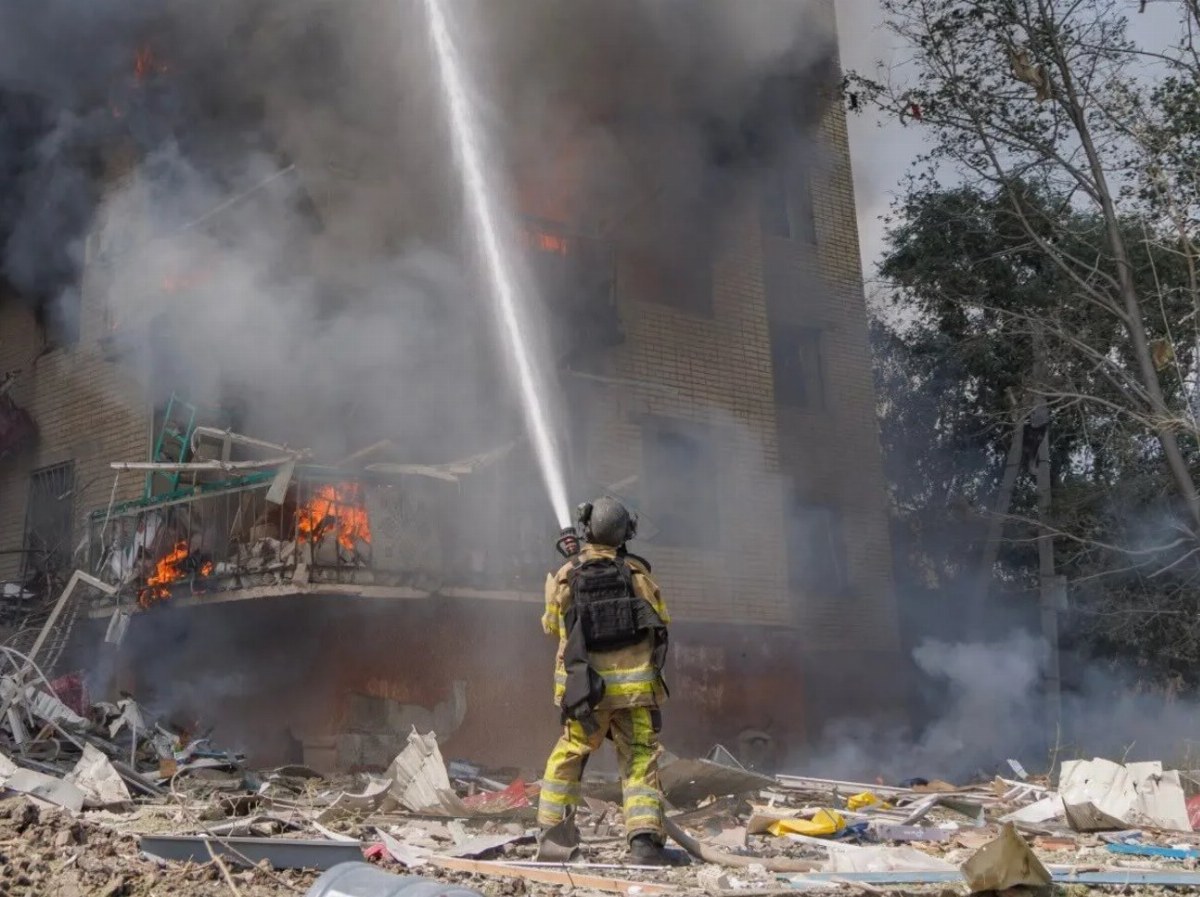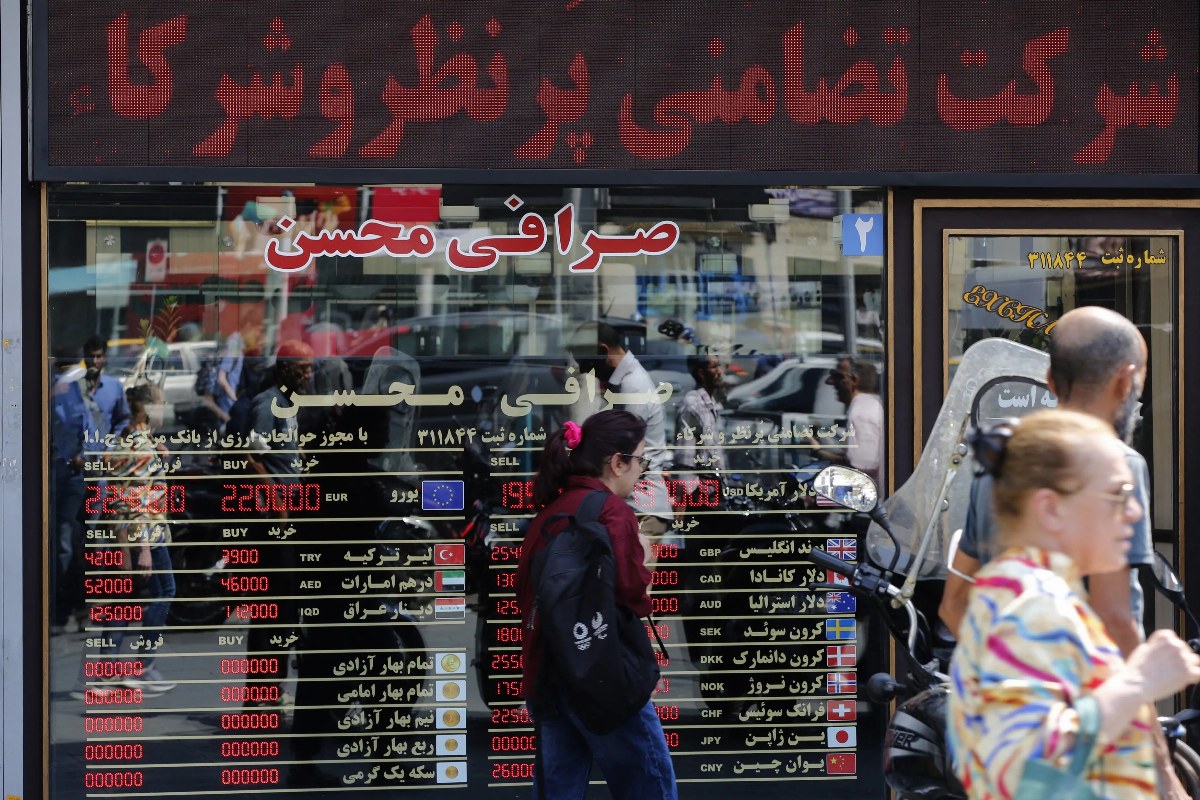
Iranian leaders are beginning to acknowledge the economic repercussions stemming from their ongoing conflict with the United States. The Supreme Leader has urged the government to seek solutions to the difficulties faced by the populace, while the President reported a significant 35% decline in foreign trade due to U.S. sanctions and a naval blockade, as reported by Reuters.
Despite these challenges, Tehran showed no signs of yielding on Saturday, vowing to withstand U.S. pressures, continue diplomatic efforts, and maintain what it has termed control over the Strait of Hormuz.
A government statement released through state media emphasized that addressing the economic pressures from sanctions and the ongoing conflict is a central priority. This includes tackling inflation, managing markets, creating jobs, directing investments towards domestic production, and gradually reducing dependency on the dollar.
New U.S. Sanctions Announced
Following six months since the onset of conflict initiated by the U.S. and Israel, negotiations remain stalled. The Trump administration has intensified its financial punitive measures against Iran, branding it “Economic Day Z.” Washington has warned countries to sever trading ties with Iran under threat of secondary sanctions, although the Treasury Department has refrained from imposing sanctions on key Iranian trading partners like China and India—countries whose economies could also be affected.
The Treasury has enacted sanctions against the Egyptian bank Banque Misr for conducting business with Tehran, effectively blocking the bank’s branches in the UAE from executing dollar transactions.
Further sanctions were issued against an entity based in Hong Kong and an individual linked to Iran’s Bank Melli, as detailed in a notification published by the Treasury.
Official Inflation at 66%, Trade Declines by 35%
These sanctions are exacerbating the war’s impact on Iran’s economy, where the annual inflation rate reached 66% last month. Supreme Leader Ayatollah Mojtaba Khamenei—who has not appeared publicly since being injured in an attack on February 28 that also claimed the life of his father and former Supreme Leader Ali Khamenei—has called on the government to confront economic challenges.
Khamenei’s statement emphasized the need to seriously address the chain of economic and livelihood challenges such as inflation, unemployment, price management, and the market for goods and services.
President Masoud Pezeshkian stated in a media briefing that Iran’s exports and imports have dropped nearly 35% due to U.S. sanctions and the naval blockade of Iranian ports. However, he noted that Iran successfully sold about 90 million barrels of oil during a brief period of a memorandum of understanding signed in June between the U.S. and Iran, which allowed for the sale of Iranian oil.