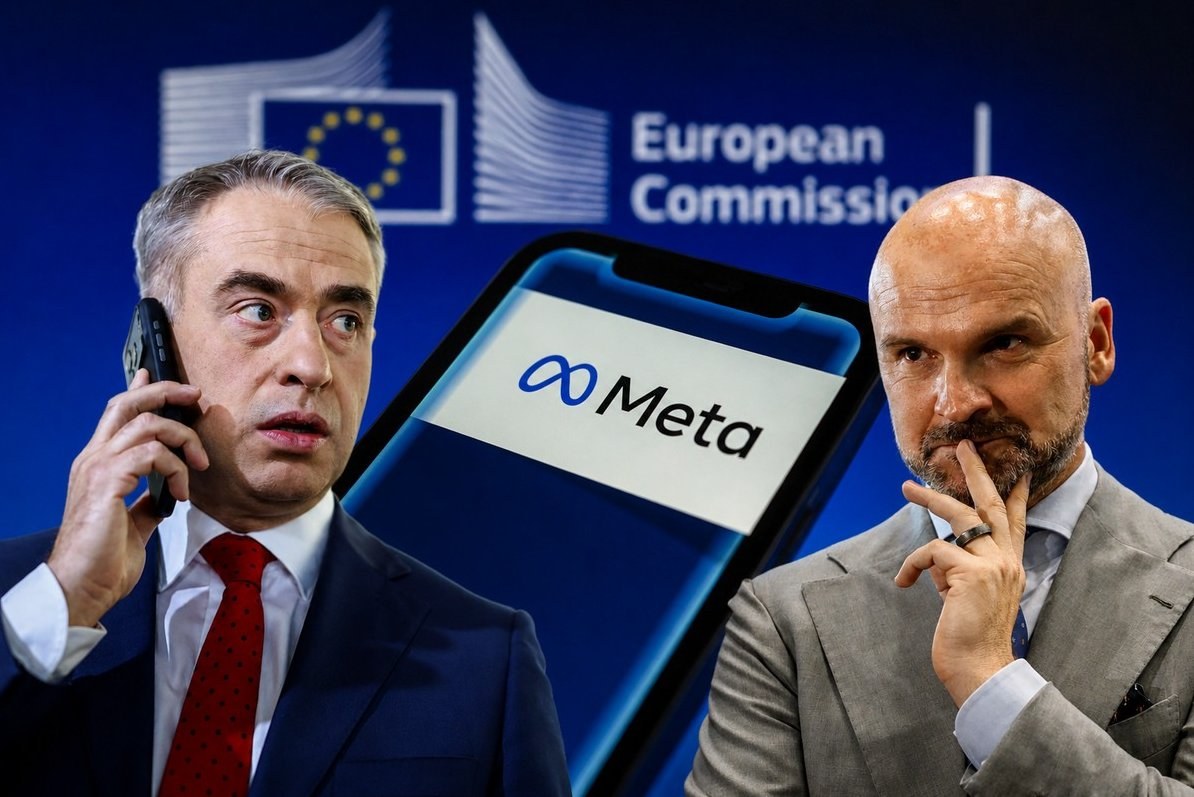
Poland has initiated a campaign against Meta Platforms, aiming for a €250 million fine due to concerns over fraudulent advertising. This issue has caught global media attention, with Bloomberg noting that the request represents an escalation in the campaign led by billionaire Rafał Brzoska against the tech giant.
The Polish government has called for an EU investigation into Meta following years of campaigning by Brzoska, the founder of InPost, against misleading advertisements on the platform. The complaint was filed by the Ministry of Digital Affairs, which alleges that Meta has not done enough to combat fraudulent advertising targeting Polish users. Poland is pursuing an EU investigation under the Digital Services Act (DSA) and is requesting the imposition of a financial penalty.
Global Reactions to Poland’s Dispute with Meta
This complaint signifies a significant step in Brzoska’s ongoing effort against Meta. He claims that his image, along with that of his wife, Omen Mensah, is repeatedly misused in deceptive ads promoting investment scams, as reported by Bloomberg.
Brzoska is advocating for new regulations that would require platforms that engage in such practices to contribute 150% of their local revenue from fraudulent ads to a state fund designed to compensate victims of online financial fraud.
Brzoska: We Shouldn’t Wait for Brussels
During a press conference on Thursday, Brzoska expressed his determination to address the issue independently, stating, “We shouldn’t wait for Brussels or the DSA regulations, which have not produced results in Meta’s case.”
The EU is already conducting investigations into Meta’s practices in relation to misleading advertisements. The company is also facing various legal challenges concerning ads utilizing deepfake technology featuring celebrities.
Brzoska Joins Other Millionaires in Legal Action Against Meta
Brzoska is not the first millionaire to take legal action against Meta. Australian businessman Andrew Forrest has previously sued the company over fraudulent ads using his likeness, while British millionaire Martin Lewis did the same in 2018 and settled the case in 2019.
Brzoska pointed to Meta’s recent settlements with U.S. states, which require changes in the platform’s operation regarding young users, as evidence of the company’s capability to adapt.
On August 25, Meta informed the Polish Ministry of Digital Affairs about plans to enhance the verification of advertisers on its platform in a bid to reduce fraudulent advertising attempts. However, the Ministry deemed these plans inadequate.
Source: Bloomberg