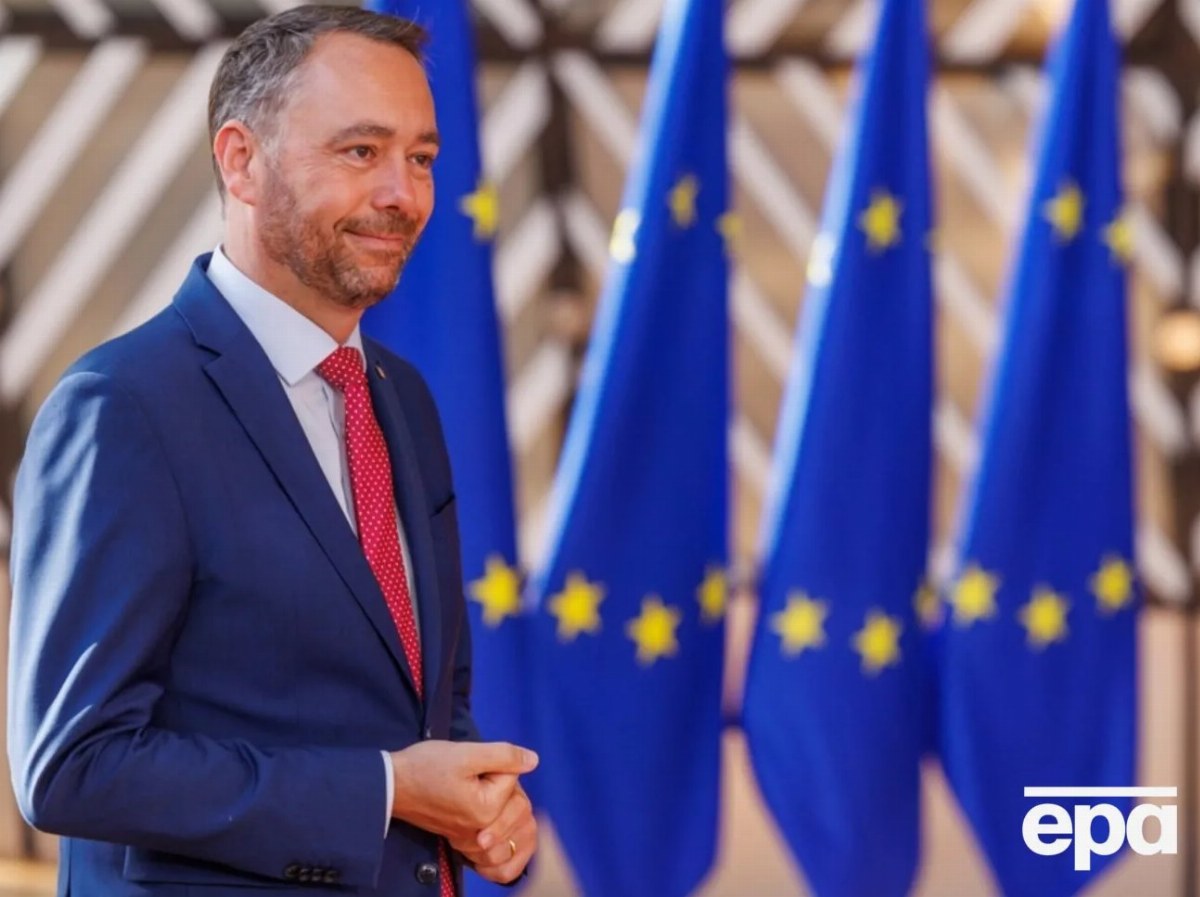
Belgium continues to stand firmly against the idea of utilizing frozen Russian assets for Ukraine, according to reports. A source indicated that the “obstacles and reservations from several member states have not changed.” Belgium, which holds a significant portion of the frozen assets on its territory, fears potential legal and financial repercussions.
During a recent visit to Kyiv, Belgian Foreign Minister Maxim Prevo reiterated his country’s apprehensions about bearing the burden of any reimbursement to Russia if Moscow successfully contests the use of these assets in court.
Meanwhile, Swedish Foreign Minister Maria Malmer Stenergard, at a meeting of the “coalition of the willing” in Kyiv, expressed her intent to raise the issue of using Russian assets again before 2027. She voiced her disappointment over the dwindling bilateral support for Ukraine, noting that nations seem inclined to rely on EU credit instead.
Ukrainian President Volodymyr Zelensky stated that Ukraine is in need of an additional €23.5 billion beyond the funding it has already received from the EU. He urged Brussels to expedite the disbursement of the second tranche from the proposed €90 billion EU loan.
On Monday, the European Commission allocated €6.1 billion to Ukraine. European Council President Antonio Costa acknowledged Zelensky’s request to accelerate the next tranche’s release, as reported.
Context
- Approximately $300 billion in assets from the Central Bank of Russia have been frozen in the West, with estimates suggesting that around $190 billion of this amount is located in Belgium, home to the Euroclear depository.
- Throughout 2024-2025, Ukraine’s allies have discussed the possibility of utilizing these frozen assets for post-war recovery. However, due to disagreements—particularly Belgium’s blockade—G7 countries agreed instead to use the interest accrued from the frozen funds (about $50 billion annually) as a loan for Ukraine.
- Additionally, the European Council has asserted that the EU reserves the right to use Russian assets to repay loans should Russia refuse to compensate Ukraine for war-related damages.