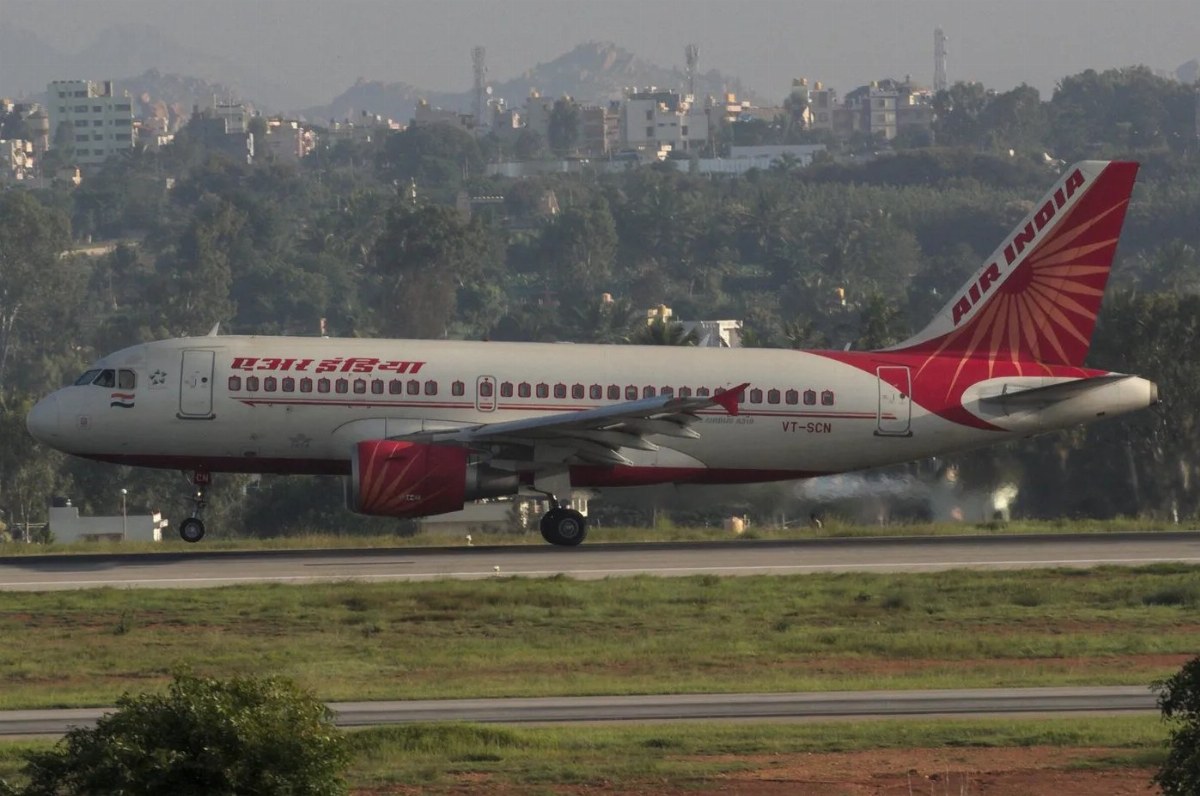
An Air India pilot flying from Phuket to Delhi has tested positive for marijuana following a significant emergency descent during the flight last week. Reports indicate that the aircraft, an Airbus A320neo, descended abruptly by 100 meters, prompting an investigation by Indian authorities.
The incident resulted in injuries to 13 passengers and four crew members, intensifying scrutiny on the airline’s safety protocols. The Ministry of Civil Aviation in India summoned Air India CEO Campbell Wilson for discussions regarding the event, which has also led to a directive for laboratory analysis of the initial positive drug test.
Prior to this incident, the Indian government revealed that the aircraft experienced a “momentary altitude variation” while flying over Odisha, a state in eastern India. The flight, carrying 137 passengers and eight crew members, landed safely in Delhi.
On Sunday, the Civil Aviation Ministry stated that the initial test for the captain’s substance use necessitated further laboratory examinations. The current incident follows a series of safety-related issues faced by Air India, which is predominantly owned by the Tata Group with Singapore Airlines holding a 25% stake.
Air India Faces Ongoing Image Challenges
In January 2026, another incident involved an Air India pilot being removed from a plane at Vancouver airport due to intoxication, discovered through two subsequent tests confirming alcohol consumption. This has drawn attention from Canadian authorities demanding explanations from the airline.
Air India has been under heightened scrutiny since a tragic Boeing Dreamliner crash in Ahmedabad on June 12 that resulted in 260 fatalities. The Directorate General of Civil Aviation (DGCA) has reported multiple safety concerns regarding the airline, which was state-owned until 2022.
This week, the DGCA issued warning notices to four Air India pilots, highlighting “serious safety concerns” related to compliance with regulations and decision-making processes among flight crews. According to documents dated December 29 that were reviewed by Reuters, the DGCA revealed that pilots had accepted an aircraft for operation despite prior knowledge of “recurring malfunctions” and “existing system deterioration.” This aircraft is a Boeing 787, used for long-haul flights, as reported by Flightradar24.